
Children's shoes Nike


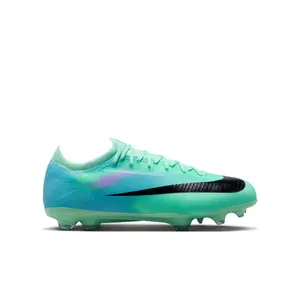


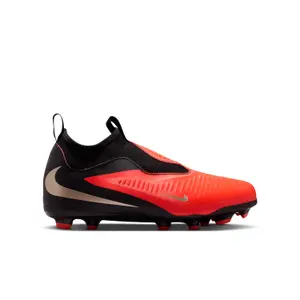
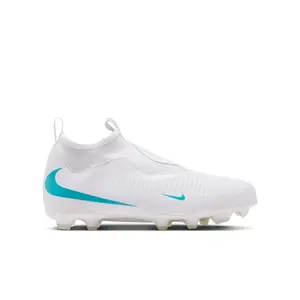


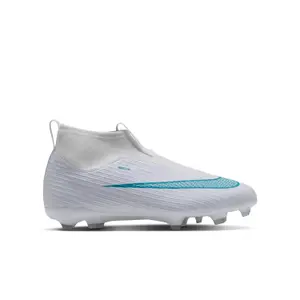
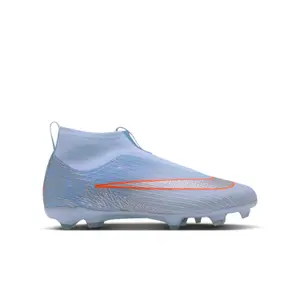
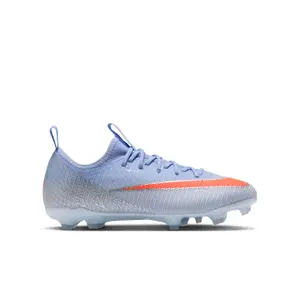
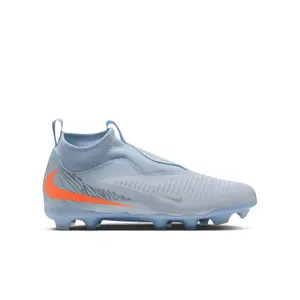


Our page children's shoes Nike features, when available, the brand's studded shoes for young rugby players, with soles for both natural grass and synthetic surfaces, the history of Nike, linked to the Springboks and Stade Toulousain, and our tips for reading the brand's sizes.
The swoosh, from rugby school onwards.
From Blue Ribbon Sports to the swoosh
Nike was born in 1964 in Oregon under the name of Blue Ribbon Sports, founded by athletics coach Bill Bowerman and his former runner Phil Knight. The company took the name of the Greek goddess of victory in 1971, the year graphic designer Carolyn Davidson created the swoosh, the famous logo. In rugby, the brand has supported Stade Toulousain since the 1990s, with a break from 2013 to 2017, and has been outfitting the Springboks since July 2023, after a first collaboration from 1996 to 2003. Its studded shoes for kids benefit from this experience on the field.
Other brands
Children's shoes are also available from:
All children's shoes can be found on the children's shoes page.
MG and AG soles: natural or synthetic ground
Nike indicates the intended ground type with a symbol attached to the name of the model. The MG sole, for multi-ground, is suitable for both natural grass and synthetic turf: it's the most practical solution for a child whose club alternates between the two surfaces. The AG sole, with shorter and more numerous studs, is dedicated to synthetic surfaces, where it limits excessive grip and knee twisting. The FG sole, which provides more grip, is reserved for natural grass. For very young players, a lightweight shoe with moulded studs, with a snug fit, is preferred as it is quickly forgotten after the first training session.
Reading a child's Nike shoe size: C and Y
Nike lists its children's sizes according to the American sizing chart. The smallest sizes are followed by the letter C, for child, up to 13.5C, then the numbering restarts at 1 with the letter Y, for youth, up to around size 7Y, which matches adult sizes. The conversion to European sizes is noted on the inside label. The most reliable method remains to measure the foot length in centimetres, standing and with socks on, then compare this number to the size guide of the brand, adding a little margin for the child's growth.
Good deals
Great bargains can be found in promotions, sales, clearance, and Black Friday. Items shipped within 24h are prepared and sent out within 24 hours. The key events of the year follow a predictable order: the Black Friday at the end of autumn, the end of year holidays, the winter sales, the French Days in spring, followed by summer sales and back-to-school.
Frequently asked questions
What does the name Nike mean?
Nike is the name of the Greek goddess of victory, often depicted with wings. It was suggested in 1971 by Jeff Johnson, one of the company's first employees, who was looking for a name that was short and easy to remember.
Is an MG sole suitable for muddy pitches?
It grips well on damp grass, but its short studs lack traction in deep mud. For older players on very heavy pitches, a sole with screw-in studs provides better support during pushing.
How do you choose a Nike shoe for a child with wide feet?
Opt for a model with a soft upper and try the shoe at the end of the day when the foot is at its largest. If the forefoot is pinched despite the right length, it's better to change models than to go for a bigger size.
Do you need different shoes for training and matches?
Generally, for a child, one versatile pair is enough, provided it is suitable for the club's ground. A second pair with a turf sole, with small studs, can be used for sessions on hard surfaces or winter on synthetic.
How to avoid blisters with new shoes?
Wear them first for short sessions, with thick, well-fitted socks, to let the upper mould to the foot. A shoe in the correct size, neither too wide nor too tight, helps minimise friction at the heel.






