
Children's shoes Gilbert
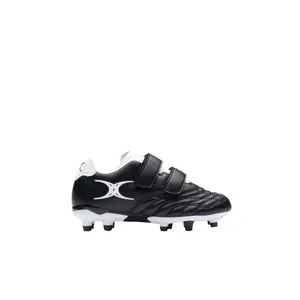
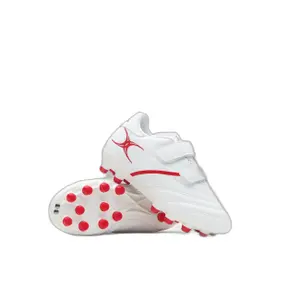

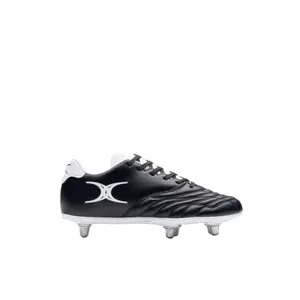
Our page children's shoes Gilbert showcases, when available, the junior rugby shoes from the brand born in Rugby, the home of the game, featuring the Sidestep range, with the story of a company that was originally a shoemaker's and our tips for choosing sole, support and size from rugby school onwards.
The name of the ball, at the feet of the youngest.
A cobbler at the origin of the oval ball
The story of Gilbert begins with shoes. William Gilbert, a cobbler based near the famous Rugby school, started supplying the students' balls in 1823 by stitching leather around an inflated pig's bladder, which partly explains their oval shape. His workshop became the official supplier for the emerging game, then a reference brand: Gilbert has provided the official ball for every World Cup since 1995, a partnership with World Rugby extended until 2033. Staying true to his trade origin, the house also designs rugby shoes, down to children's sizes.
Other brands
Childrens' shoes also come from:
All childrens' shoes are gathered on the children's shoes page.
The Sidestep range, designed for traction
The Sidestep range from Gilbert gets its name from the sudden change of direction that allows you to evade a defender, aimed at players who focus on agility. To choose such a shoe for a child, three points are essential: a sole that grips without hindering foot movement during turns, a front foot that's flexible enough to bend naturally when running, and a heel counter that holds the heel during changes in direction. A children's version maintains these principles in a lighter, adapted shape, so that the young player can keep their sensations without getting tired too quickly.
Cleats that comply with game rules
Rugby shoes must adhere to specific regulations set by World Rugby. The studs must not exceed 21 millimetres in length; their minimum diameter is 10 millimetres at the top and 13 millimetres at the base, and their edges must be rounded to avoid injury. Replacement screwed studs must meet the same requirements, which are also specified by British standard BS 6366. Before a match, the referee can check the shoes and refuse a player whose studs show any rough edges or sharp points: a quick glance at the sole before setting off can prevent this unpleasant surprise.
Good deals
Good bargains can be found in the promotions, sales, clearance, and Black Friday. Items shipped within 24 hours are processed and dispatched within 24 hours. The key events of the year follow a stable order: Black Friday in late autumn, year-end festivities, winter sales, spring French Days, followed by summer sales and the back-to-school season.
Frequently asked questions
Why does the name Gilbert appear on rugby balls?
Because Gilbert provides the official ball for World Rugby and every World Cup since 1995. The name of the family has been associated with the game since William Gilbert made balls for the students at Rugby school.
What's the difference between a rugby shoe Gilbert and a general-purpose studded shoe?
The rugby shoe provides greater foot protection against trampling and extended pressure in scrums, with a sturdier upper and better heel support. A general-purpose shoe, being lighter, prioritises speed and flexibility.
How do you replace a damaged screwed stud?
You unscrew it with the stud key, clean the thread, then screw in the new stud by hand before tightening it with the key, without forcing it. Always replace it with a stud of the same length to maintain the foot's balance.
Does my child need different shoes for winter?
On dry pitches, a moulded sole is sufficient all year round. When the grass becomes heavy, older children can switch to longer screwed studs, which dig into the ground and reduce slipping during pushes.
Should rugby shoes be waterproofed?
A cream or spray suitable for the upper material reduces water absorption and stiffness after drying, especially on leather. It should be applied to a clean, dry shoe, preferably before the wet ground period.






