
Rugby player care, from the sidelines to recovery

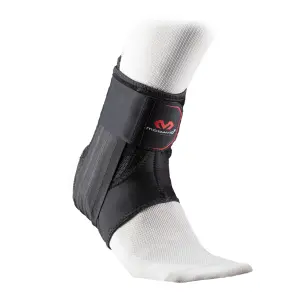

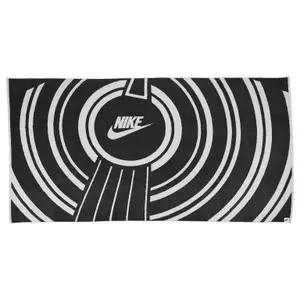
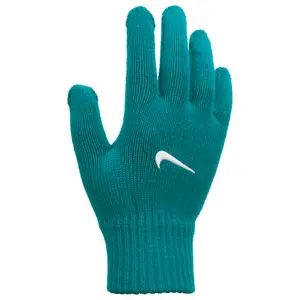
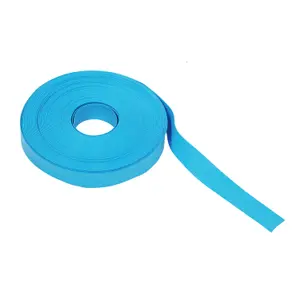
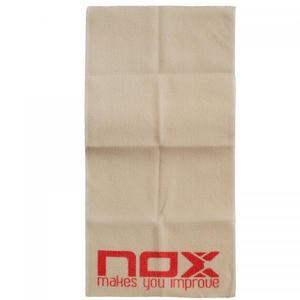
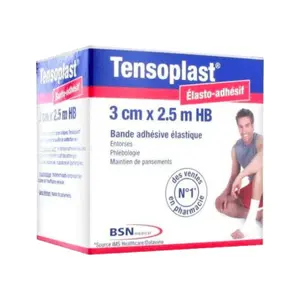
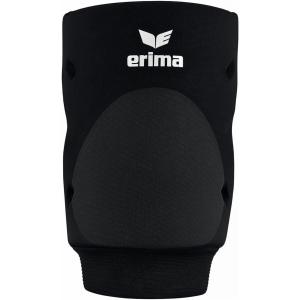
The care universe brings together the equipment that accompanies a rugby player from the sidelines to recovery: self-adhesive bandages Sporti and resin bandages Delta-Cast, instant ice packs and muscle balms Select, ankle supports McDavid, massage rollers and balls Bliss, microfibre towel Avento. Enough to create a club kit or a home care routine.
Treat, maintain, recover.
Responding on the sideline: cold and bandages
Bruises and sprains are part of everyday life on a rugby pitch and need to be managed in the first few minutes. The ice pack Select, instant and easy to activate with a squeeze, cools the affected area immediately without a freezer. The elastic bandages Sporti, with a self-adhesive closure, keep the support wrapped around an ankle or a knee while providing light compression. For a fracture, the resin bandages Delta-Cast, made from polyester and much lighter than a plaster cast, are used for immobilisation, always carried out by a healthcare professional. A bleeding player must leave the pitch: law three allows for a temporary replacement of no more than fifteen minutes to stop and cover the wound.
Care categories
Care is classified into:
All the equipment can be found on the equipment page.
Ankle supports and balms: preparing joints and muscles
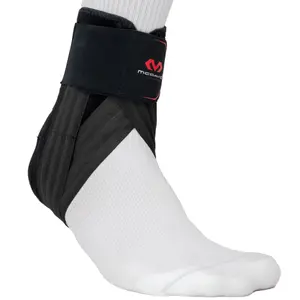
The ankle is one of the most vulnerable joints for a rugby player, strained with every step on a wet pitch. The ankle supports McDavid, an American brand established in 1969 from a protective knee brace, address several needs: compression sleeves for proprioception, strapping ankle supports for already weakened ankles, and the Stealth Cleat, thin enough to fit into a studded shoe. Law four allows them to be worn under the sock, without exceeding the lower third of the shin or containing metal. The muscle balms Select complete the preparation: applied during a massage before warming up, they provide a sensation of warmth, then help with recovery afterwards.
Self-massage and drying: recovery after the match
The day after a match, soreness can be worked on through movement and self-massage. The Bliss massage roller is placed under the thighs, calves, or upper back: roll slowly for one to two minutes per area to release tension. The massage balls, smaller in size, target areas that the roller cannot reach, such as the arches of the feet, glutes, or back of the shoulder. The microfibre towel Avento, lightweight, absorbent, and quick to dry, folds up neatly in the bag and will be used again in the next session without remaining damp until the following day.
Good deals
Good bargains can be found in good deals, promotions, clearance, sales, and Black Friday. The new arrivals showcase the latest collections, and items shipped within 24 hours are prepared and dispatched in 24 hours. The key times of the year follow a stable order: the Black Friday at the end of autumn, the end-of-year holidays, the winter sales, the French Days in spring, then the summer sales and back-to-school period.
Frequently asked questions
What should be in a rugby club's first aid kit?
Sterile dressings, antiseptic, plasters, elastic bandages, tape, cold packs, rounded-tip scissors, and disposable gloves form the basics. Add a space blanket and emergency numbers, and restock the kit after each match.
Cold or hot after a knock?
Use cold in the first hours to ease pain and reduce swelling. Heat is reserved for muscle strains and stiffness that has set in, never on an area that has just swollen after a knock.
When to seek medical attention after a knock in rugby?
Severe pain, deformity, inability to place your foot or bend your knee require quick medical advice rapid. After a head injury, even the slightest symptom, such as headache, dizziness, or confusion, necessitates immediate cessation of play.
Is kinesiology taping useful in rugby?
This elastic adhesive tape supports a muscle without restricting movement, and many players appreciate the supportive feel it provides. Its mechanical effect is still debated: it complements strengthening and rigid strapping without replacing them.
How to treat a blister on the foot?
If intact, protect it without popping it using a hydrocolloid dressing that cushions friction. If popped, clean it, keep the skin covering it, and cover it again; new socks or poorly fitting studs are often to blame.






