
Rugby boots for forwards and backs

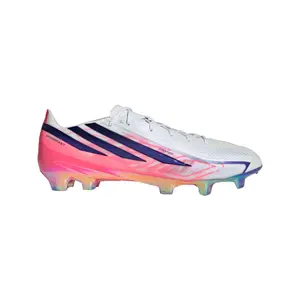

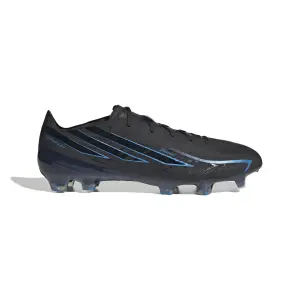

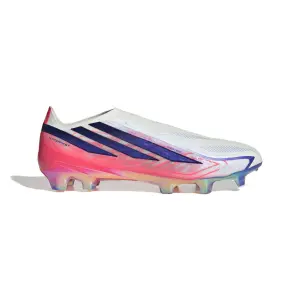

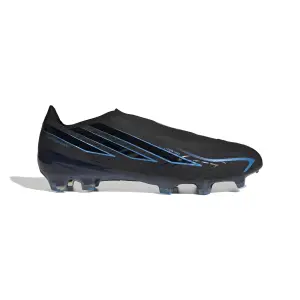
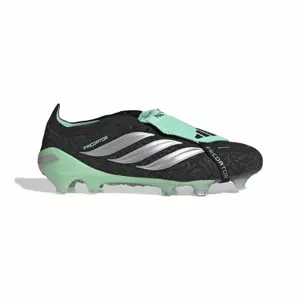
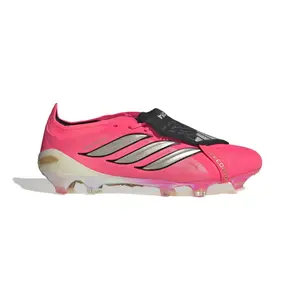
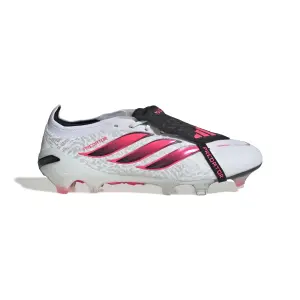

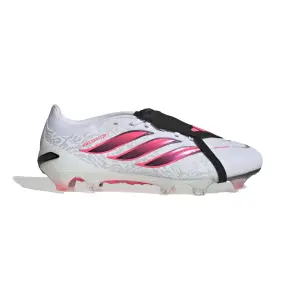
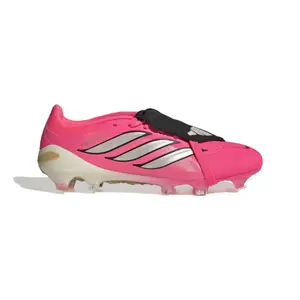
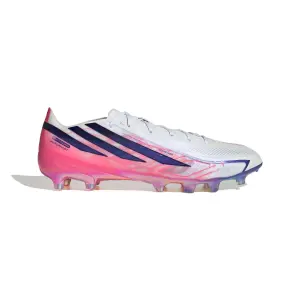
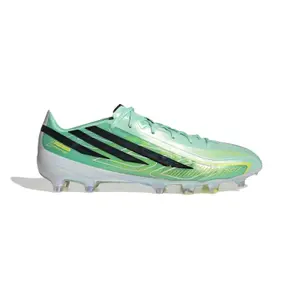

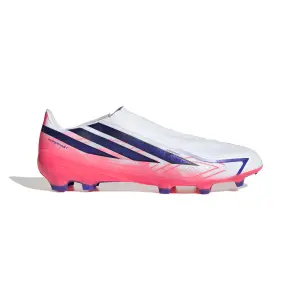
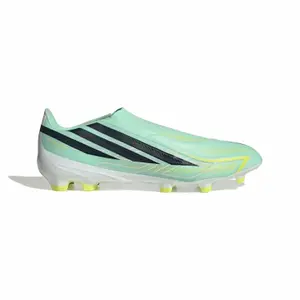
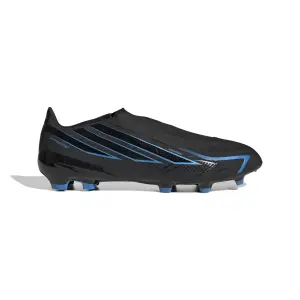
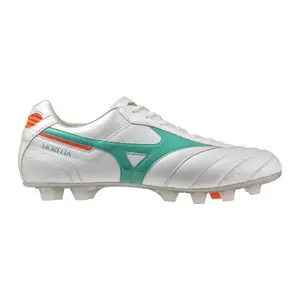
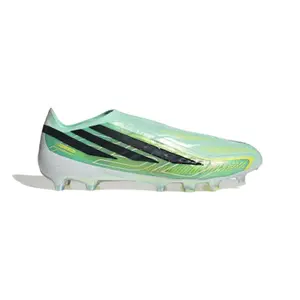
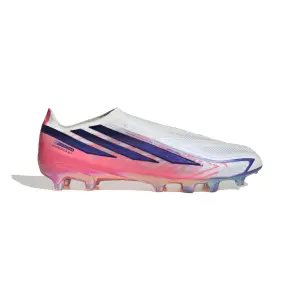
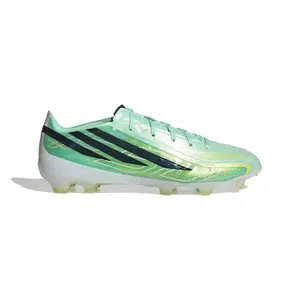
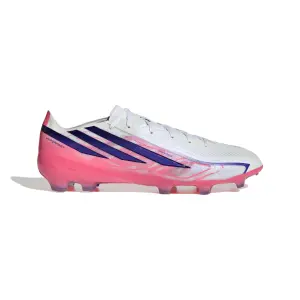

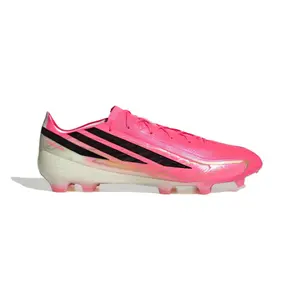

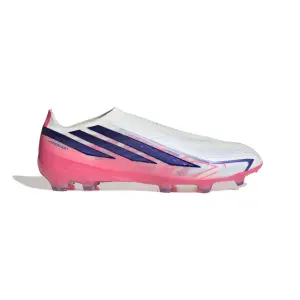
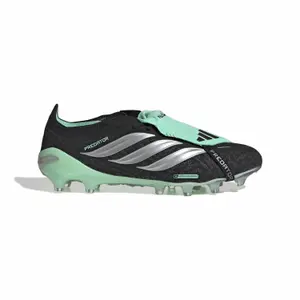
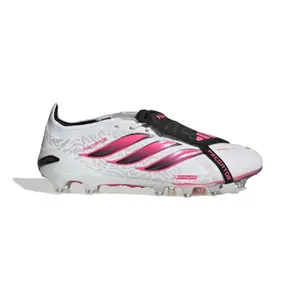
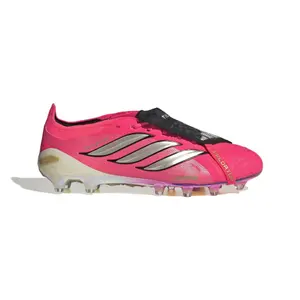
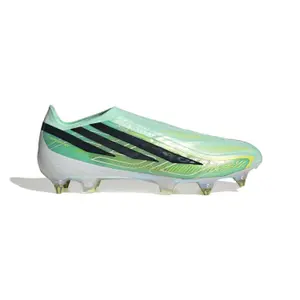

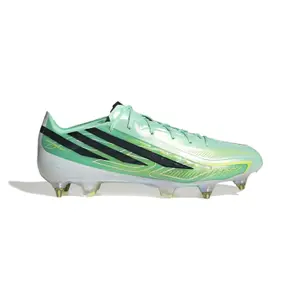
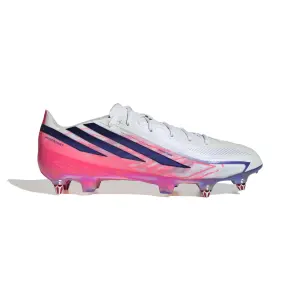
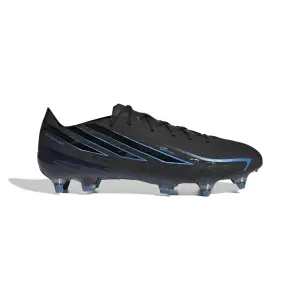
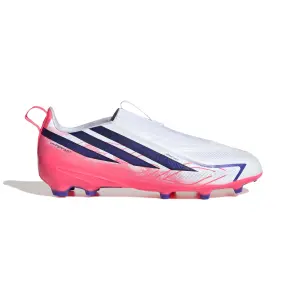
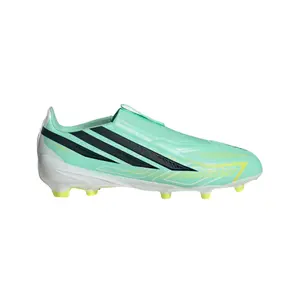
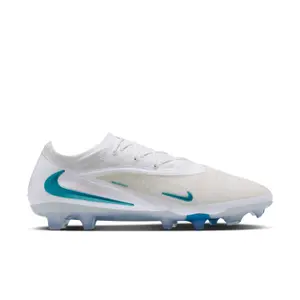


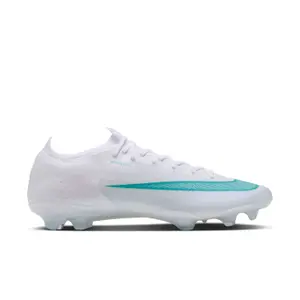


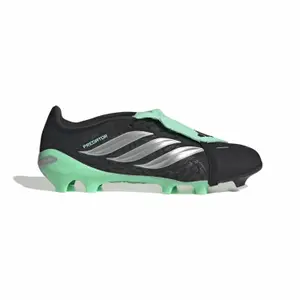
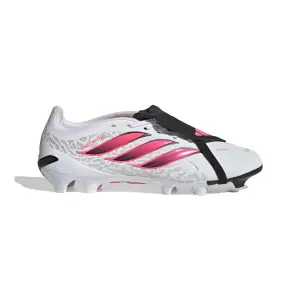
Our Rugby Shoes range brings together models designed for each position: adidas Kakari, Gilbert Power and Mizuno Waitangi with eight studs for forwards, adidas RS-15 and Adizero for backs, Gilbert Torq in men's and women's fit, with SG interchangeable studs or FG moulded studs, along with our advice on how to choose according to position, pitch and size.
The shoe, the first tool of the rugby player.
Screwed, moulded or hybrid studs: understanding the sole
The sole determines how a rugby shoe performs. The SG version, for soft ground, features metal or composite screw-in studs that sink into the muddy pitches of winter and can be replaced when worn down. The FG version, with moulded studs, grips the dry and firm ground of autumn and spring. Between the two, some hybrid soles combine screw-in studs and fixed studs. Regardless of the model, World Rugby regulations limit the length of the studs to twenty-one millimetres and prohibit any sharp edges: the referee can check the shoes before kick-off.
Shoe families
Rugby shoes come in:
You can also find equipment.
From prop to winger: models according to position
Forwards will find soles with eight studs here, which distribute the force in scrums: the adidas Kakari, with the RS version lightened for back row players, the Mizuno Waitangi, with a very wide shape and diagonal flex grooves beneath the forefoot, or the Gilbert Power in a low cut. Backs tend towards the adidas RS-15 and Adizero family, with a Speedframe sole designed for quick acceleration in all directions, featuring an asymmetrical lacing that clears the kicking surface for kickers. Back row players and centres, balancing the two worlds, choose based on their share of running and contact.
What shoe size for a child playing rugby
For children, the shoe size changes quickly: measure the foot standing up, at the end of the day, and leave a little centimetre of space in front of the big toe, never more, to avoid the foot sliding during play. For younger kids, a moulded stud sole is usually enough: lightweight, no maintenance, it grips most school rugby pitches. Screw-in studs become useful when the child plays every weekend on soft grass. For smaller sizes, check that the heel counter remains firm under thumb pressure: this stabilises the ankle during tackles and support.
Good deals
Great deals can be found in good plans, promotions, clearance, sales, Black Friday. The new arrivals showcase the latest models. The key events of the year follow a stable order: Black Friday at the end of autumn, the holiday season, winter sales, spring French Days, then summer sales and back-to-school.
Frequently asked questions
What rugby shoes does Antoine Dupont wear?
He wears adidas from the Adizero RS15 range. An edition called AD9, white with red details, recalls his beginnings at Castelnau-Magnoac and then Auch, featuring a holographic tongue that changes colour depending on the angle.
Which rugby shoe for a woman?
Women often have narrower feet and heels: a women's cut, like the Gilbert Torq MSX, prevents the foot from floating. Its memory foam insole and EVA cushioning limit repeated shocks.
Do you need a different pair for training on synthetic pitches?
Yes, screw-in studs should be avoided on synthetic grass: they grip too much and put strain on the knees. It's best to keep a pair with moulded studs, or small spikes for very hard surfaces, for these sessions.
How to choose the length of screw-in studs?
It depends on the pitch: studs of eight to eleven millimetres are enough for simply soft grass, while fifteen to ten-eight millimetres are suitable for heavy and muddy pitches. Always change the complete set to maintain balanced support.
Can a rugby shoe go in the washing machine?
No: heat and the drum can weaken the glue and deform the upper. Remove mud with a damp brush, take out the insole, and let the pair dry in the air, stuffed with newspaper.






