
Rugby bags for players and clubs
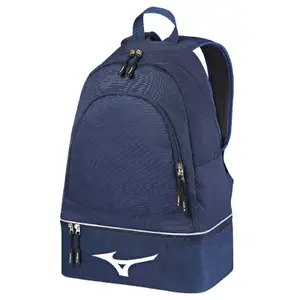
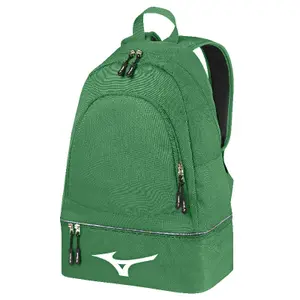
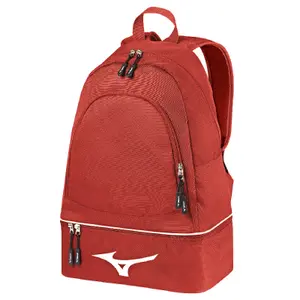
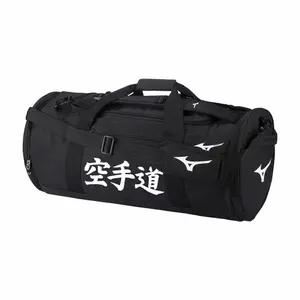


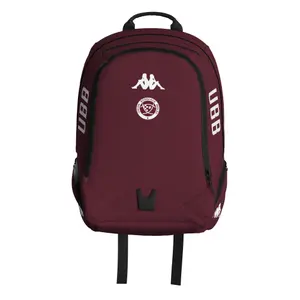


The bags universe brings together everything needed to transport the player's and the club's equipment: sports bags Gilbert from the Club range, double bag Tremblay, backpacks Gilbert, Eastpak and Sveltus, shoe bags Stanno, as well as ball bag, trolley bag Force XV and medic bag Sporti for the sidelines. Each model serves a specific purpose, from the changing area to transportation.
All the equipment, from the changing room to the pitch.
The player's bag: volume and compartments
A player takes a full kit to each session, including studded shoes, a mouthguard, sometimes a helmet or shoulder pads, a towel, and something to change into after the shower. A volume of about sixty litres holds this content without crushing clean clothes against muddy items. The decisive criterion remains the separate compartment, ventilated or lined, which isolates the studs. The Gilbert Club range, from the ball manufacturer founded in 1823 in Rugby, offers this concept in a duffle bag, a backpack, and a large team bag. A reinforced base protects the bottom placed on the wet floor of the changing rooms.
Bag families
Bags come in:
All equipment is gathered on the equipment page.
Collective bags: balls, trolleys, and first aid
A club's equipment requires dedicated bags. The ball bag Force XV transports all the balls for a session in one go, from the changing room to the field, without letting them roll in the boot. The trolley bag Force XV carries the heavy equipment for trips, such as cones, bibs, tees, or kits, without overloading the coach's back. The first aid bag Sporti Pro organizes bandages, cold packs, and compresses in compartments that are visible at a glance, for quick intervention at the pitch's edge. The double sports bag Tremblay immediately separates clean kit from dirty laundry on the way back, a valuable reflex after a match in the rain.
Backpacks and shoe bags for everyday use
For trips on foot, by bike, or using public transport, the backpack keeps hands free. The Gilbert Club features a compartment for shoes, useful for young players who go straight from school to training. The Eastpak bags, a brand founded in 1952 in Massachusetts known for its long warranty, serve everyday needs, whether in school or at work. The lightweight and fitted running backpack Sveltus accompanies physical training outings. Finally, the shoe bag Stanno fits into any luggage to keep a pair of muddy studs separate from other items.
Good deals
Great deals can be found in good plans, promotions, clearance, sales, and Black Friday. The new arrivals showcase the latest collections, and items shipped in 24 hours are prepared and sent out within 24 hours. The key events of the year follow a stable order: Black Friday in late autumn, year-end holidays, winter sales, French Days in spring, followed by summer sales and back-to-school.
Frequently asked questions
What is the best bag for a rugby player?
It’s one that matches their travel needs: a sports bag of about sixty litres for those traveling by car, or a backpack with a shoe compartment for those going to training on foot or by bike. In both cases, an isolated space for the studs is essential.
What bag for a rugby coach?
A trolley bag for the session equipment, a ball bag, and a first aid kit cover a training session. Coaches managing multiple groups benefit from assigning a bag to each group to avoid forgetting items.
How to protect belongings from the rain?
Choose a coated or water-resistant bag and place dry clothes in a closed inner pocket. Wet items should travel separately, in a shoe bag or a waterproof pocket, until washed.
How to make a sports bag last?
Never leave it closed with damp items inside: empty and air it out after each session. Remove dry mud from zippers with a brush and avoid overloading it to protect the seams.
What size bag for a child?
A bag of thirty to forty litres is sufficient for a kit, a pair of studs, and a water bottle. The child should be able to carry it alone: check that the shoulder strap or straps adjust to their size.






