Rugby shoes adidas
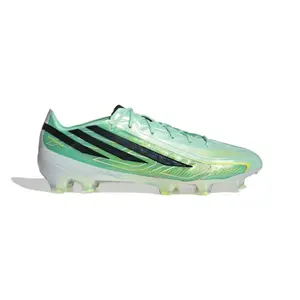
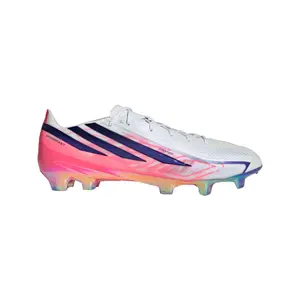
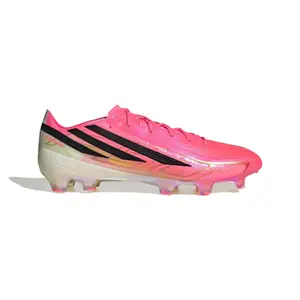
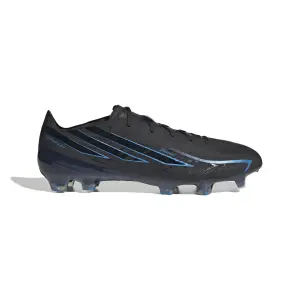
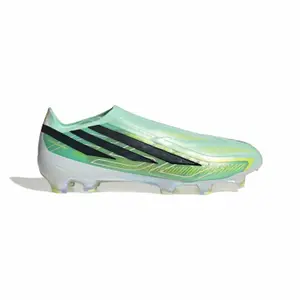
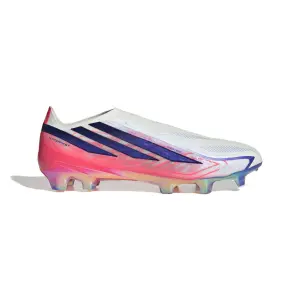
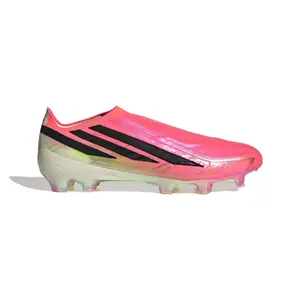
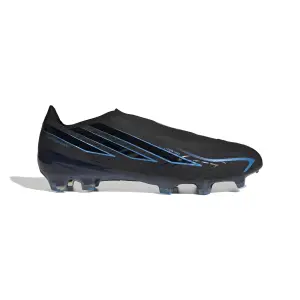
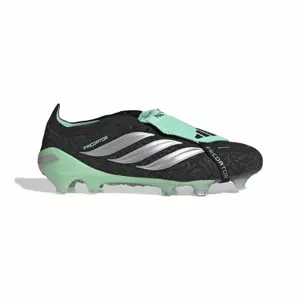
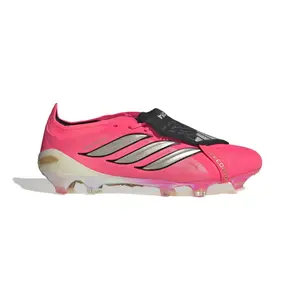
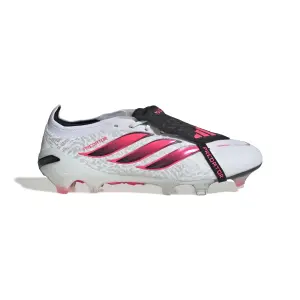
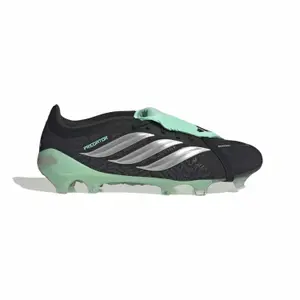
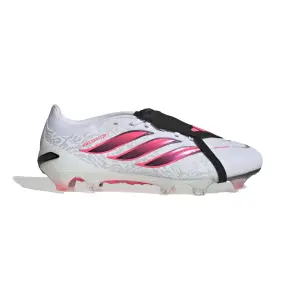
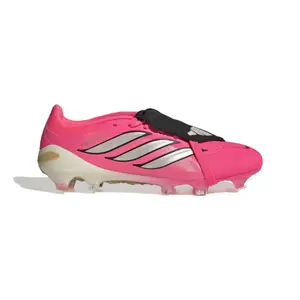
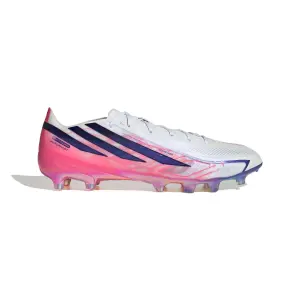
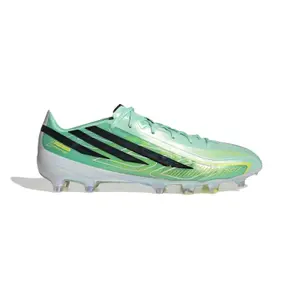
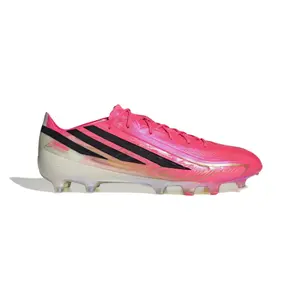
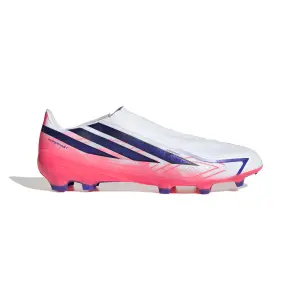
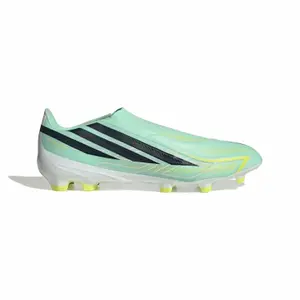
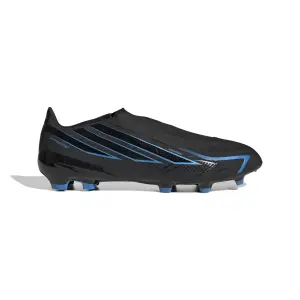
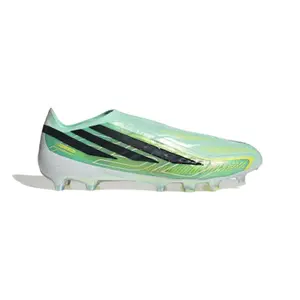
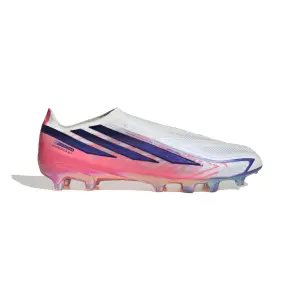
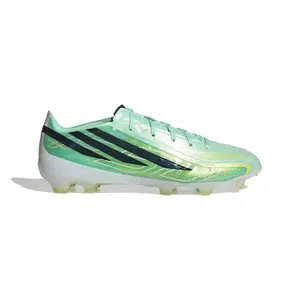
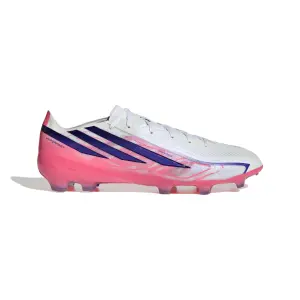
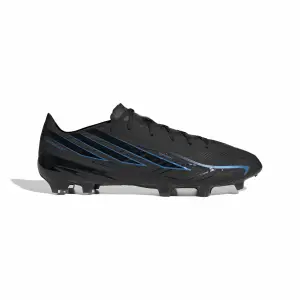
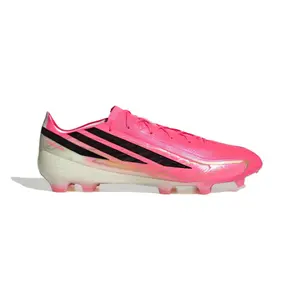
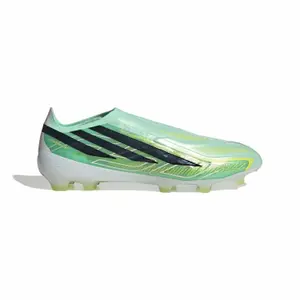
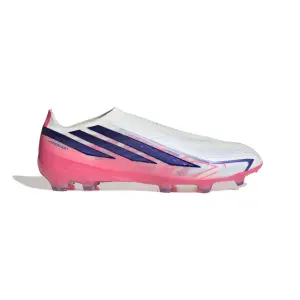
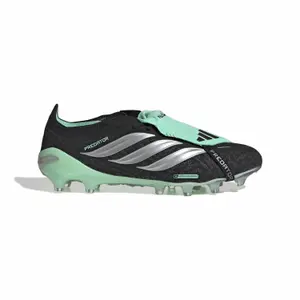
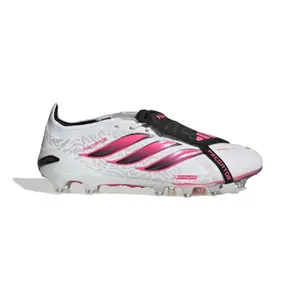
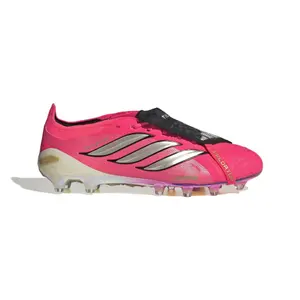
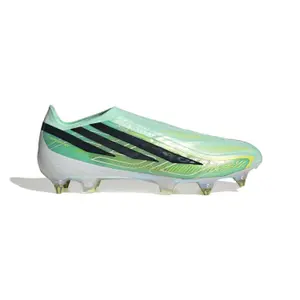
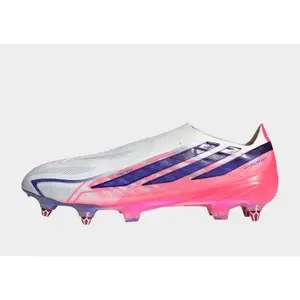
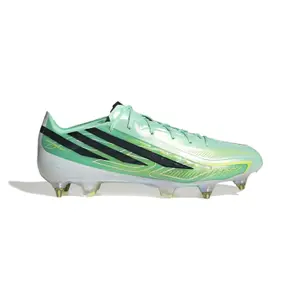
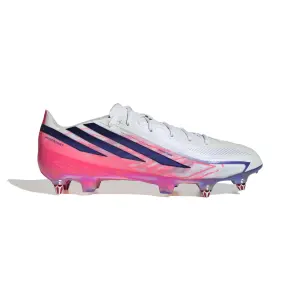
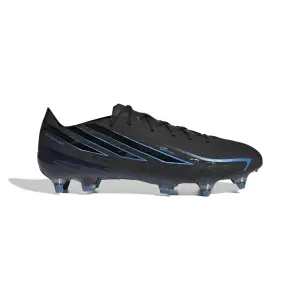
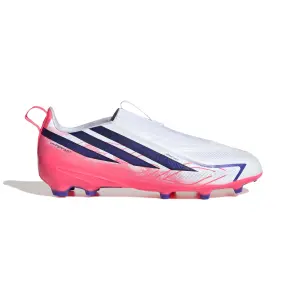
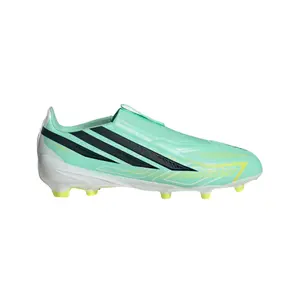
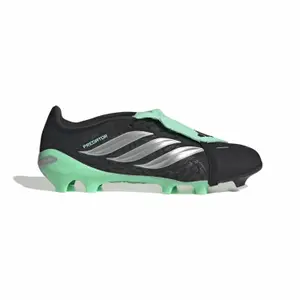
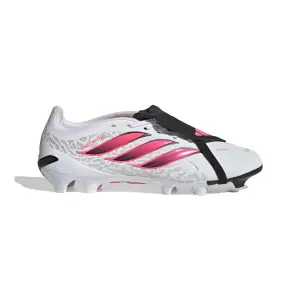
Our selection of rugby shoes adidas covers every line on the pitch: the Kakari, with an eight stud sole, for forwards who push in the scrum, the RS-15 and the Adizero RS15 Pro for mobile players, from full-back to loose forward, and the Predator, Copa, and F50 with moulded studs, chosen by many kickers and wingers for their ball feel or lightweight.
The three stripes, from the scrum to the kicking game.
Adi Dassler, the three stripes and rugby
The brand was born in 1949 in Herzogenaurach, Bavaria, when the shoemaker Adi Dassler registered the name adidas and its three stripes sewn on the side of the upper, initially to improve foot support. The shoe remains the heart of its expertise. In rugby, adidas has been dressing the All Blacks since 1999 and supplies the French national team since September 2024. Its range of shoes was rethought in 2023 with the RS15, which combines striking qualities inherited from the Predator, beloved by kickers, with the speed of the Adizero RS7.
The adidas ranges
The adidas shoes are available in:
All rugby shoes are brought together on the shoes page.
Kakari, RS-15 or Adizero: which adidas for which position
The position guides the choice. The Kakari is aimed at props, hookers, and second rows: its split sole with eight screw-in studs provides wide support for pushing, and its reinforced upper withstands rucks. The Kakari RS retains stability in a lightweight construction designed for forwards who also run in open play. The RS-15 aims to be the most versatile model from the brand, suitable for flankers to full backs. The Adizero RS15 Pro pushes the quest for speed further, with a Speedframe sole that aids acceleration in all directions and stability fins that keep the foot secure during cuts.
Predator, Copa and F50: the moulded studs for kickers
Many fly halves, full backs, and wingers play with adidas models featuring moulded studs, originally designed for football. The Predator has rubber fins on the upper, which grip the ball's leather at the moment of kicking. The Copa features a quilted cow leather upper, soft and precise. The F50, very low and lightweight, is suitable for players who rely on their speed. These shoes offer less lateral protection than a Kakari: they are reserved for positions less exposed to scrummage, and their SG version with screw-in studs is preferred when the pitch gets heavy.
Good deals
Good deals can be found in the good deals, promotions, clearance, sales, Black Friday. The new arrivals showcase the latest models. The highlights of the year follow a stable order: the Black Friday at the end of autumn, the year-end holidays, the winter sales, the French Days in spring, and then the summer sales and back to school.
Frequently asked questions
What do the letters SG and FG mean on an adidas shoe?
SG, for soft ground, refers to a sole with screw-in studs for muddy pitches. FG, for firm ground, refers to moulded studs for dry and firm surfaces. A player training all year round often benefits from having both.
Do rugby shoes adidas run large?
They generally fit true to size. The Kakari, with its reinforced upper, allows for a bit more volume, while the Adizero, very fitted, may feel snug at first: try it on with match socks.
Are the studs on an adidas SG standard?
The screw-in studs on SG models can be replaced with a stud key. Check their length before the match: World Rugby regulations set a maximum of twenty-one millimeters, with rounded edges and no burrs.
Which adidas to choose for a scrum half?
The scrum half goes through short sprints, passes at the rucks and kicking for clearance. A lightweight and fitted shoe like the RS-15 or Adizero RS15 is more suitable than a heavier and wider front model.
Is a rugby shoe adidas suitable for a teenager?
Yes, as long as you choose a version suited to their size and pitch. A teenager still growing benefits from a moulded sole, which is lighter and requires no maintenance, before switching to screw-in studs.