
Rugby mouthguards
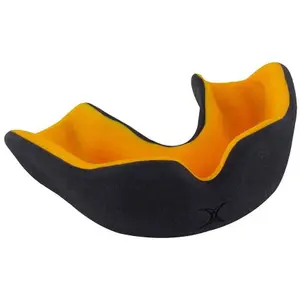
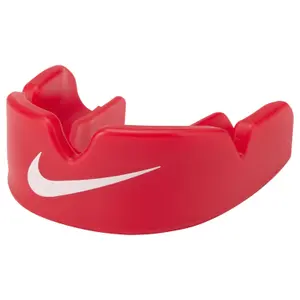
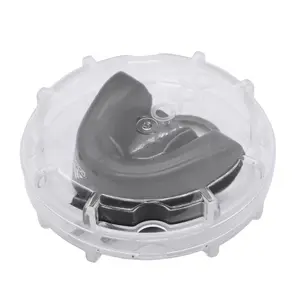
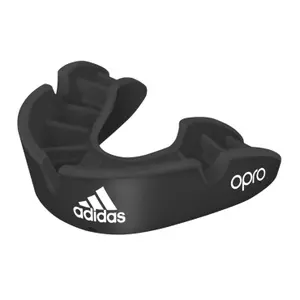
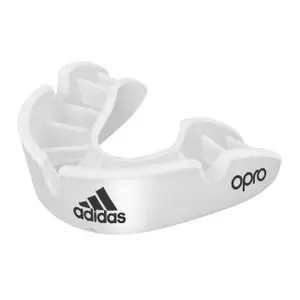
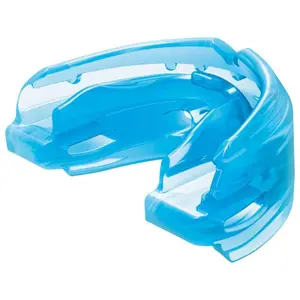
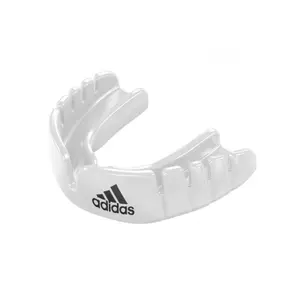
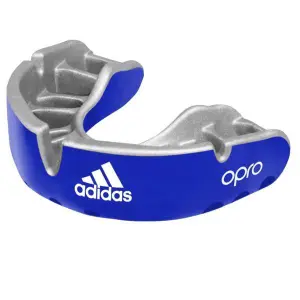
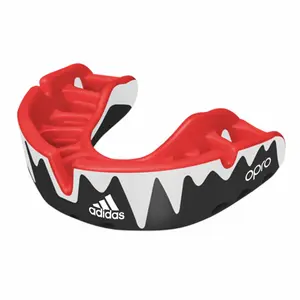
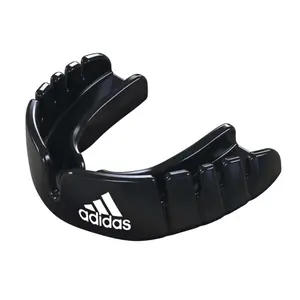
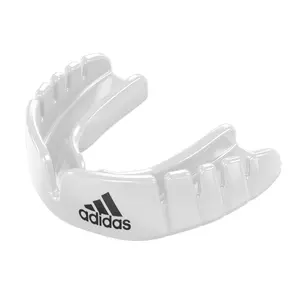
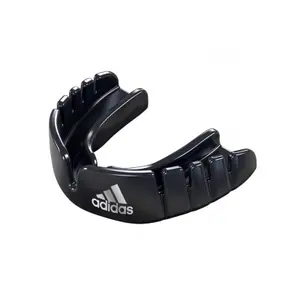
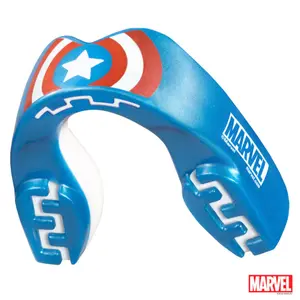
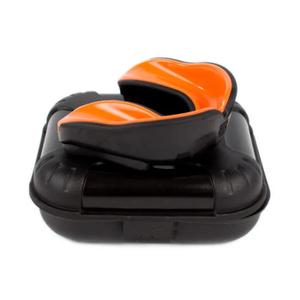
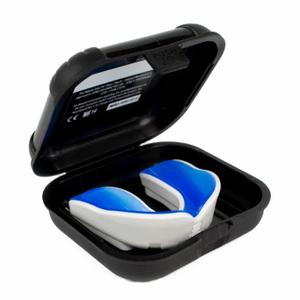
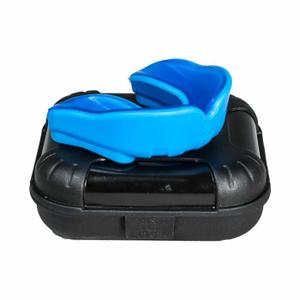
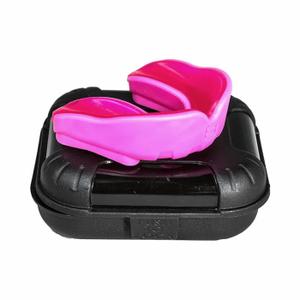
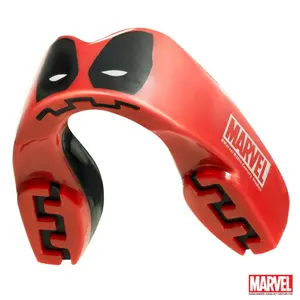
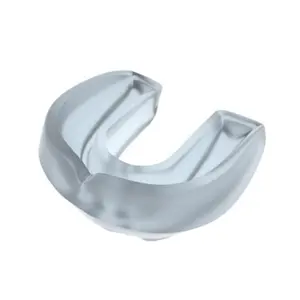
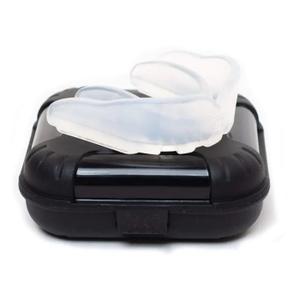
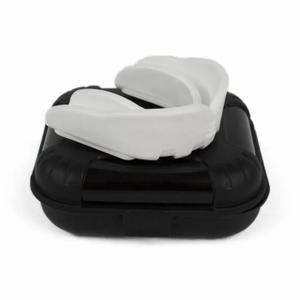
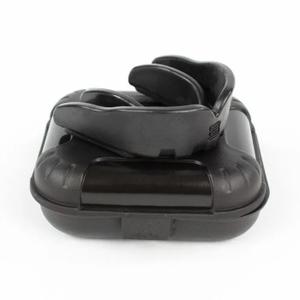
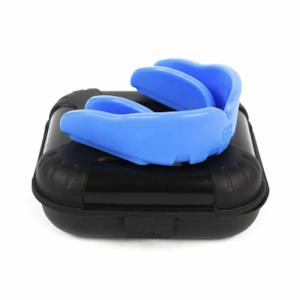
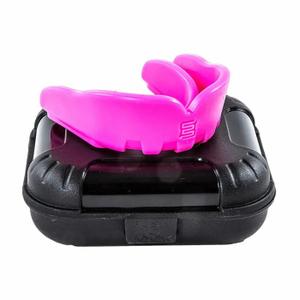
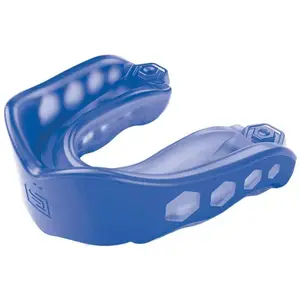
This page brings together rugby mouthguards: thermoformable models, versions compatible with dental braces, children's mouthguards, and competition models. You will find a suitable protection for every age and shape.
Long regarded as merely recommended, the mouthguard is on the verge of becoming mandatory in amateur rugby. Here’s what the regulations stipulate, what it actually protects, and how to choose one.
What the regulations foresee
For a long time, mouthguards were strongly recommended but not mandatory in French amateur rugby. The French Rugby Federation has decided to change this: it has made it compulsory for all categories where tackling is allowed, from rugby schools to seniors. The decision will take effect after a transition year dedicated to informing clubs and families, without penalties.
Once the measure is in place, referees and coaches will check the wearing of the mouthguard, and a player not wearing one will be denied access to the pitch. Some practices are exempt because contact is absent or limited: mini rugby, rugby 5s, beach rugby, and initiation sessions without tackling.
The text also specifies a technical criterion that would be a mistake to ignore when purchasing: the mouthguard must have the CE marking, which confirms its compliance with European standards. This is the first thing to check on the packaging, even before size or colour. Brands like Gilbert, Shock Doctor, Opro, or Makura are included in the stock selection.
What it really protects
The mouthguard serves a well-established function: it protects the teeth, lips, and jaw. By absorbing and distributing the energy from a shock, it prevents broken or loose teeth, split lips against enamel, and some jaw injuries. In a sport where facial impacts are common, this is significant, and avoiding even one dental intervention more than justifies its cost.
It is often credited with another virtue: preventing concussions. This is a claim found on many packages and websites, but it doesn’t hold up under scrutiny. Several reviews of the scientific literature, covering dozens of studies, conclude that there is no solid evidence of a mouthguard's effect on the risk of concussion. This doesn't mean it should be discarded, since its dental protection function is enough to justify it, but it would be misleading to present it as protection for the brain.
These studies highlight what really reduces concussions: a tackling technique that is well-taught, at the correct height, and strict adherence to rules by players and referees. This prevention is primarily played out on the field and in training, rather than through equipment.
The different types of mouthguards
There are three main categories, which vary in comfort and protection. The standard mouthguard, ready to use, does not adapt to any specific dentition: it is inexpensive but fits poorly, forcing the player to clench their teeth to keep it in place. This is the least recommended solution.
The thermoformable mouthguard makes up the bulk of the offerings and is the best compromise for the vast majority of players. It softens in heat and then takes on the exact impression of the teeth, ensuring a good fit at a reasonable cost. Some models offer a double density, featuring a firm outer layer that absorbs shocks and a softer inner layer that conforms to the teeth.
Finally, there are mouthguards custom-made by a dentist from a mould. They provide the best possible fit, but at a significantly higher price and with a production wait. For a beginner player or a growing child, a good thermoformable model remains the most sensible choice.
Getting the thermoforming right
A thermoformable mouthguard only protects well if it has been properly shaped, and this is a step that many rush. The principle is to soften the piece in very hot water, following the time indicated by the manufacturer, then to place it immediately in the mouth.
The player then bites down firmly while sucking and presses the mouthguard against their gums with their tongue and fingers, ensuring the material conforms to each tooth and every gap. A quick dip under cold water then sets the shape obtained. The most common mistake is to use boiling water, which permanently deforms the piece and makes it unusable before even the first match.
The result is simple to judge: a properly formed mouthguard stays in place without clenching the teeth. If you have to bite to keep it from falling out, it interferes with breathing and speaking, and the player ends up removing it between plays, which renders it useless. In this case, it’s better to re-form it than to get used to it; most models can handle multiple attempts.
With braces
This is the most common situation among young players, and where a purchasing mistake can be costly. A classic thermoformable mouthguard, shaped on brackets, literally locks into place as it cools: it becomes difficult if not impossible to remove, and the pressure it exerts can shift the orthodontic appliance.
There are models specifically designed for this scenario, generally featuring a double gutter and having a channel that allows space around the brackets. They do not thermoform onto the appliance, allowing them to remain suitable as the orthodontist makes successive adjustments. It’s always wise to discuss with the orthodontist before resuming, who can confirm the compatibility of the chosen model.
Maintenance and replacement
A mouthguard poorly maintained quickly becomes a breeding ground for bacteria, and it deforms more quickly than one might think. After each use, it should be rinsed in cold water, never in hot water which could soften it and change its shape. A gentle brushing from time to time, without abrasive toothpaste, is enough to keep it clean.
It should be stored in a ventilated case, which allows it to dry while protecting it from shocks, and not at the bottom of a sport bag that is still damp. A mouthguard left in a car under direct sunlight will permanently lose its shape within hours.
In children and teenagers, dentition is constantly evolving: teeth falling out, new teeth coming in, jaw growing. A mouthguard that fits at the start of the year may not be suitable a few months later. It’s therefore reasonable to remould or replace it each year, and more often if the fit degrades.
Completing your protection
The mouthguard is just one part of a player's protective equipment, and other categories on the site allow for full protection based on one’s position and level of commitment.
- The helmet protects the ears and scalp from friction in scrums, particularly appreciated by forwards.
- The shoulder pads absorb repeated impacts on the shoulders during tackles and rucks.
- The protective shorts cover the thighs and hips.
- The knee pads, ankle pads, and shin guards protect the most exposed joints.
The complete range is available on the protection page.
Where to find the best deals
Several sections of the site allow you to equip yourself at better prices all year round. The equipment good deals gather current selections, and the equipment clearance includes end-of-line items that won’t be replenished. The key dates follow a stable order: Black Friday at the end of autumn, the holiday season, then the winter sales and French Days in spring.
Frequently asked questions
Is a mouthguard mandatory in rugby?
The French Rugby Federation has decided to make it mandatory in all categories where tackling is allowed, from rugby schools to seniors, after a transition year without penalties. Mini rugby, rugby 5s, beach rugby, and non-tackling initiation are exempt.
What standard must a mouthguard comply with?
It must have the CE marking, which confirms its compliance with European standards. This is the criterion retained by the Federation and the first thing to check on the packaging.
Does a mouthguard protect against concussions?
No, there is no evidence to support this claim. Several scientific reviews conclude that there is no solid evidence of such an effect. It effectively protects the teeth, lips, and jaw, which is justification enough.
How do you mould a mouthguard?
By softening it in very hot but not boiling water, then biting down firmly while sucking to let it conform to the teeth, before setting it in cold water. It should then stay in place without clenching the teeth.
What to do when wearing braces?
Choose a model designed for orthodontic appliances, usually with a double gutter and a channel for the brackets. A classic model locks onto the appliance and can shift it. The orthodontist's advice is invaluable.






