
Teamwear accessories for the rugby player


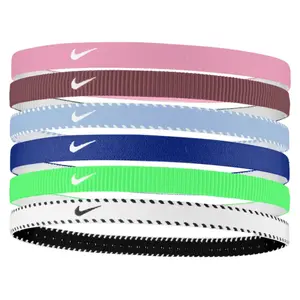


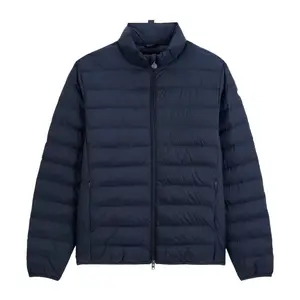
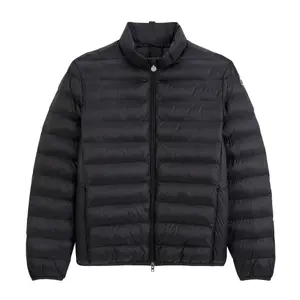
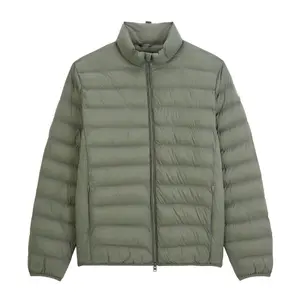
This selection brings together the accessories that complete the training outfit: socks Proact, Macron, Uhlsport and Hummel, shorts Gilbert, Errea and Erima, base layers Errea, parkas Canterbury and Force XV for the sideline, spare studs Precision and Uhlsport. From muscle support to protection against the cold, each item meets a specific need of the rugby player.
The outfit's complements.
Socks and studs: the rugby player's supports
Rugby socks rise up to just below the knee and often feature horizontal stripes or bands in the club colours, like the Proact banded or the Macron Fixed. For training, Uhlsport Grip socks add non-slip spikes under the sole, which reduce slipping of the foot inside the shoe during changes of support. Replacement studs Precision Union and Uhlsport Alu, the latter made of aluminium, screw into the soles designed for this purpose; World Rugby regulations limit their length to twenty-one millimetres, with a diameter of at least ten millimetres at the tip, to avoid injuring an opponent.
Accessory families
Accessories come in:
All teamwear is gathered on the teamwear page.
Shorts and base layers: the layer against the skin
The shorts are worn under the shorts: their elastic fabric supports the hamstrings and adductors, keeps the thighs warm, and reduces chafing in the crotch during running. The Gilbert Atomic and the Errea Kyran are for adults, while the Erima Wings model is for children. The base layer with long sleeves Errea Ken, fitted, goes under the jersey when the temperature drops and wicks moisture away from the skin. World Rugby law four allows these supports as long as they are elastic or compressible and washable; many players choose them in the colour of the shorts or jersey.
Parka, headbands and gloves for the cold at the sidelines
Between warm-ups and getting on the field, a substitute can wait an hour on the bench: the parka keeps the muscles warm. The Canterbury Club Subs, from the brand founded in 1904 in Christchurch, New Zealand, and the coach Force XV parka come down low on the body and protect from both rain and wind. For winter runs, a headband covers the ears and light gloves protect the hands. However, be careful on match day: law four prohibits gloves, with only fingerless mittens allowed on the field.
Good deals
Good deals can be found in good deals, promotions, clearance, sales, Black Friday. The new arrivals showcase the latest collections, and items shipped within 24h are prepared and dispatched within 24 hours. The year's highlights follow a stable order: the Black Friday at the end of autumn, the end-of-year holidays, the winter sales, the French Days of spring, followed by the summer sales and the back-to-school period.
Frequently asked questions
What accessories should be planned for training in winter?
A long-sleeved base layer, shorts or tights, a headband for the ears, and light gloves allow for comfortable training in cold weather. A windbreaker completes the outfit on rainy and windy evenings.
Do you need different socks for training and matches?
On match day, official socks in the club colours are worn. In training, thinner or non-slip technical models often provide better comfort and preserve the pairs reserved for matches.
How to maintain screwing studs?
They should be unscrewed from time to time to prevent them from seizing, the threading should be cleaned, and worn or chipped ones should be replaced, as they can be dangerous for opponents. A stud key and a spare set should always be kept at the bottom of the bag.
Can you wear a vest under the jersey?
Yes, a technical vest absorbs sweat in mild weather and prevents direct contact between the jersey and the skin. It should remain fitted and invisible, to avoid providing extra grip to an opponent during a tackle.
What waterproof jacket for the sidelines?
A lightweight, windproof, and water-repellent jacket that fits in the bag is sufficient for training. For coaches and substitutes exposed for long periods, a long and lined parka provides better protection from the cold when remaining stationary.






