
Children's studs shoes
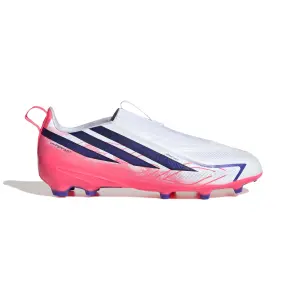
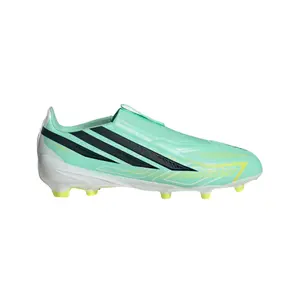
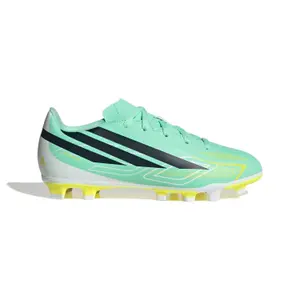
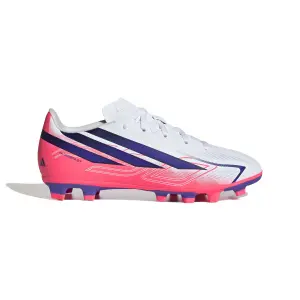
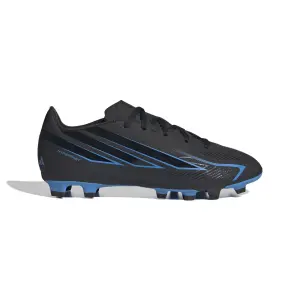
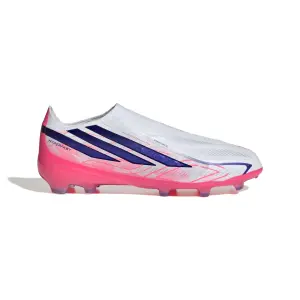
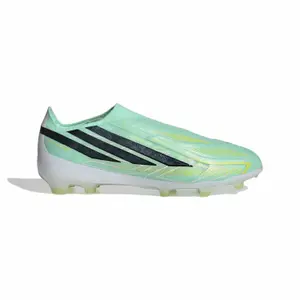
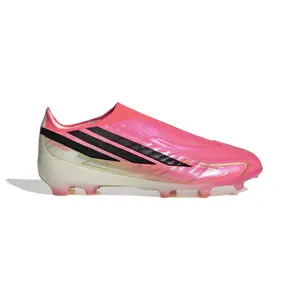
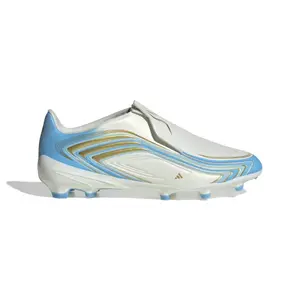
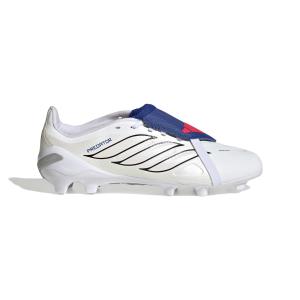
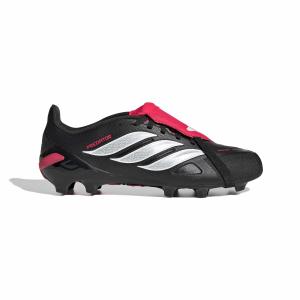
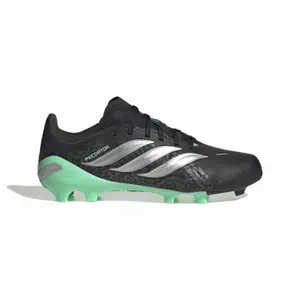

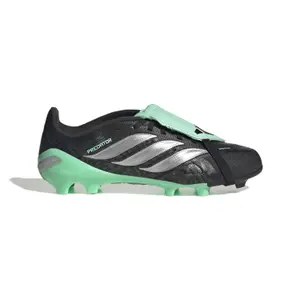
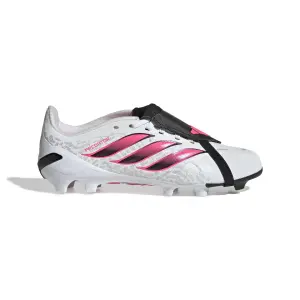
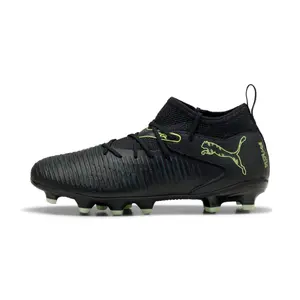
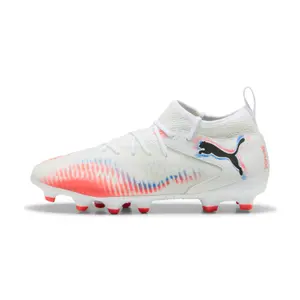
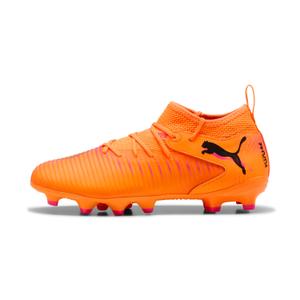
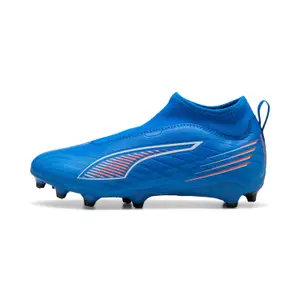
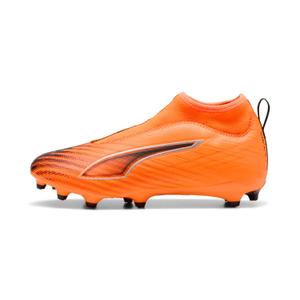
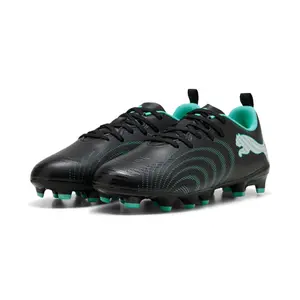
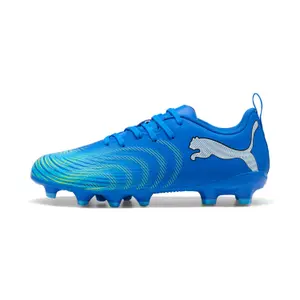
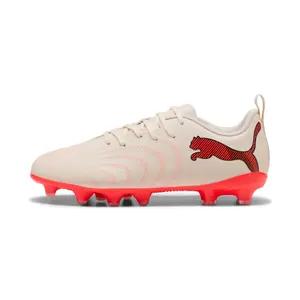
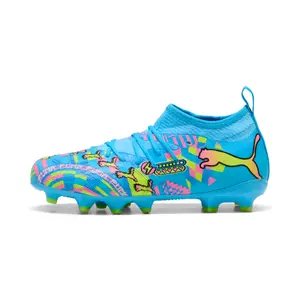
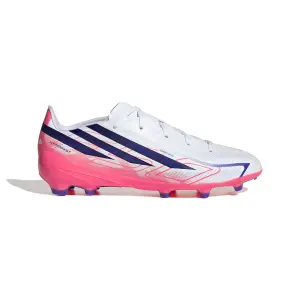
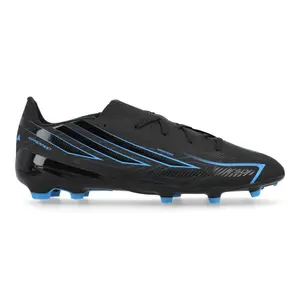
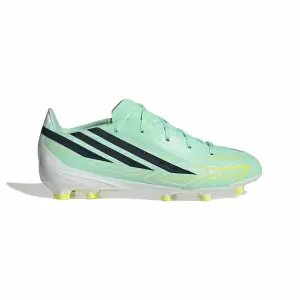
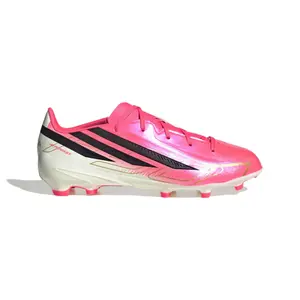

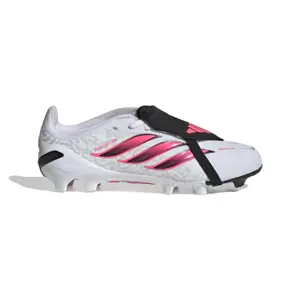
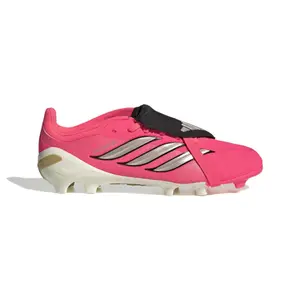
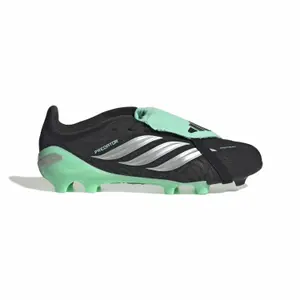


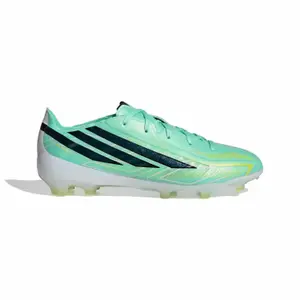

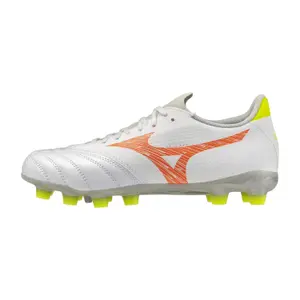
Our selection of children's rugby shoes brings together the boots for young players, from their first license to adolescence: moulded stud shoes for rugby schools, rugby models like the Gilbert Sidestep Icon, soles for natural grass or synthetic, along with our tips for choosing the right size.
The first studs, in the right size.
Moulded or screw-in studs: what to choose for a child
For younger kids, moulded studs are the norm: numerous, short and part of the sole, they distribute pressure underfoot, grip on dry grass as well as on a wet pitch, and require no maintenance. Screw-in studs, made of aluminium or composite material, tend to appear around adolescence, when the game becomes denser and winter pitches get heavy. Whether moulded or screw-in, rugby studs must not exceed 21 millimetres in length according to World Rugby regulations, which also require rounded edges.
Brands
Children's shoes are available by brand:
The whole world of children's gear can be found on the children's page.
A real rugby boot for young forwards
A junior rugby boot is characterised by its reinforced upper, rigid heel counter, and a stable sole, which protect the foot in rucks, mauls, and scrums. The Gilbert Sidestep Icon, available in a children's version, illustrates this approach: the brand, a historic manufacturer of the oval ball, brings its rugby expertise to it. Young forwards, who are more often in contact, find superior support; backs, who are constantly running and changing direction, often prefer a lighter and more flexible boot, even at the cost of sacrificing some protection.
Measuring the foot and checking the size
The shoe size should be checked at the start of every school year, as a child's foot can grow a size within a few months. Measure the foot at the end of the day, standing with heel against a wall, wearing the sports sock they will use at training, and then add about a centimetre to get the ideal inside length. A shoe that is too big causes the heel to slip and leads to blisters; if too small, it compresses the toes. On labels, children's sizes are often expressed in UK sizes followed by a K, before transitioning to adult sizing: the European conversion is shown alongside.
Good deals
Good bargains can be found in promotions, sales, clearance, and Black Friday. The new arrivals showcase the latest collections, and items shipped in 24h are prepared and sent out within 24 hours. The year's main events follow a stable order: Black Friday at the end of autumn, the end-of-year holidays, winter sales, French Days in spring, then summer sales and back-to-school.
Frequently asked questions
Is a studded shoe for synthetic turf different?
Yes, AG (artificial grass) outsoles have shorter and more numerous studs, which limit excessive grip and twisting on synthetic grass. A sole designed for natural grass can still be used on synthetic grass occasionally.
How to dry wet rugby boots?
Remove mud with a brush, take out the insoles, and stuff the boot with newspaper, changing it after a few hours. Drying should be done at room temperature, away from a radiator that would harden the upper and detach the sole.
When should a child's shoes be replaced?
As soon as the toes touch the end of the shoe, when the studs are worn down, or when the sole is peeling off. For a growing child, size changes often occur every year, sometimes even during the year.
Are elastic lace shoes suitable for younger children?
For little ones who can’t yet tie their laces, elastic lace or Velcro models make getting dressed easier in the changing room. Once the child is scrummaging and pushing in a scrum, properly tightened traditional laces provide better support.
What size to choose when in doubt between two sizes?
Choose the larger of the two, adjusting the lacing tension. Taking two sizes larger to anticipate growth is not advisable: the foot floats, blisters occur, and the child loses stability.






