
Bandages for support and healing
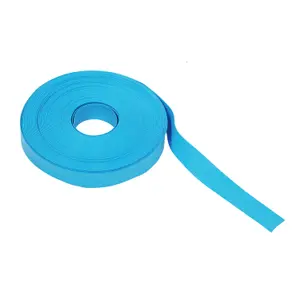
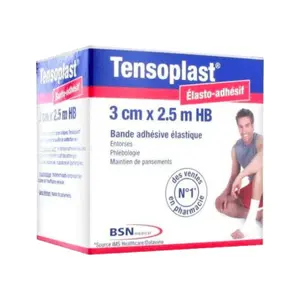
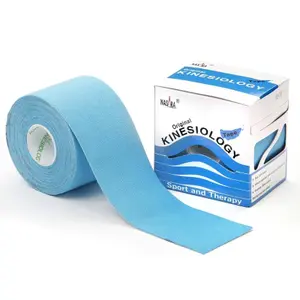
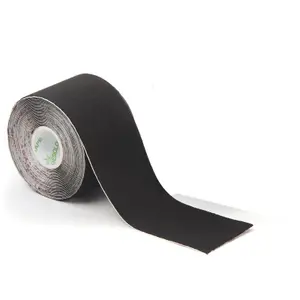
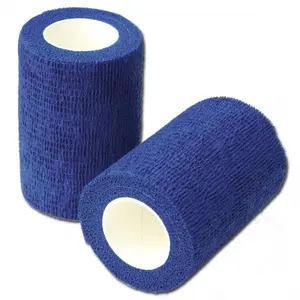
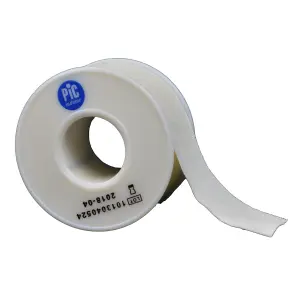
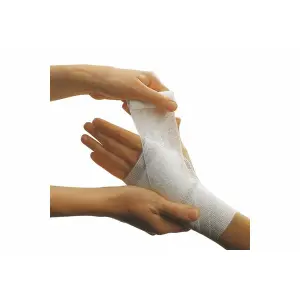
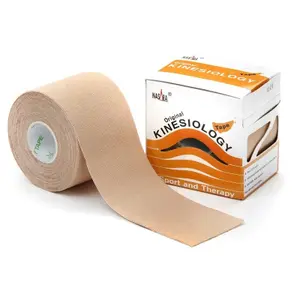
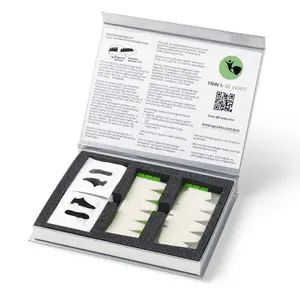
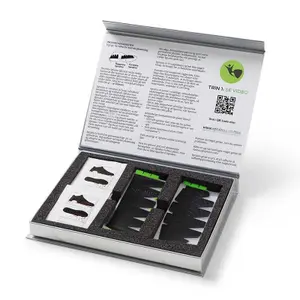
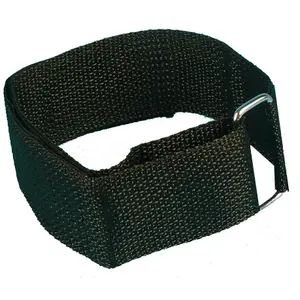

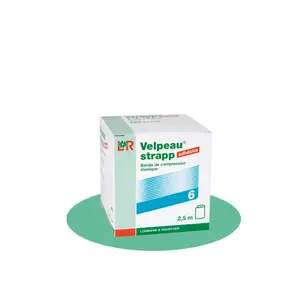
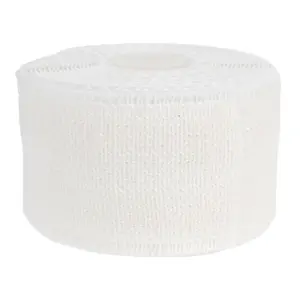
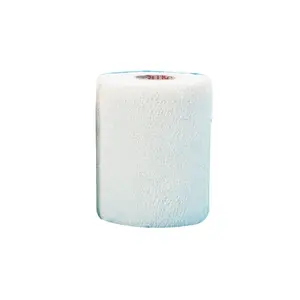

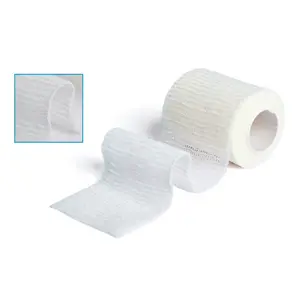

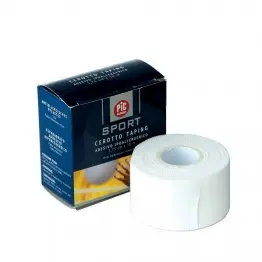
This selection brings together the bandages for the caregiver and the player: self-adhesive elastic bands Sporti in various lengths, kinesiology tape Select ProFcare K, flossing band ARTZT Thepro, and resin bands Delta-Cast Plus and Elite for immobilisation. Maintaining a cold pack, supporting a muscle, or protecting a joint: each band has its role.
Maintain, protect, immobilise.
Why rugby players bandage their heads and thighs
The bandaging is part of the image of rugby. Around the head, it protects the ears of the forwards, rubbed against the thighs and hips of teammates in scrums, and reduces the risk of cauliflower ear. Around the thighs, it provides a grip for partners lifting the lineout jumper and sometimes supports a recovering muscle. On the wrists, fingers, or ankles, it stabilises an already injured joint. World Rugby's law four expressly allows bandages, dressings, and adhesive tape, provided they do not cover any hard or sharp parts.
Other care
Care also includes:
All care is gathered on the care page.
Self-adhesive band, tape or flossing: three uses
Elastic bands Sporti, available in lengths of three to six metres and six to twelve metres, close with a simple Velcro: ideal for holding a cold pack or a dressing, they can be put on and removed in seconds at the edge of the pitch. The tape Select ProFcare K is a kinesiology adhesive tape, stretchy in its length, that sticks to the skin without restricting movement; it is applied to clean, dry skin without cream. The flossing band ARTZT Thepro, made of thick latex, wraps tightly around a joint for one to two minutes during exercise, a mobility technique used in physiotherapy.
Delta-Cast: the resin that replaces plaster
The Delta-Cast bands, developed by the manufacturer BSN medical, are resin bands on a polyester backing, not fibreglass. Soaked in water, they harden within minutes and form a lightweight immobilisation, thinner than traditional plaster. The Elite version is distinguished by soft edges and a stretchy knit that better conforms to the body's contours, for more comfort in daily life. These bands are exclusively for health professionals: poorly applied, they can compress the limb or allow movement of the fracture they are supposed to protect.
Great deals
Good bargains can be found in great deals, promotions, clearance, sales, Black Friday. The new items showcase the latest collections, and items shipped in 24h are prepared and sent out within 24 hours. The highlights of the year follow a stable order: Black Friday at the end of autumn, the end-of-year holidays, the winter sales, the French Days in spring, then the summer sales and back to school.
Frequently asked questions
How to apply an elastic band without cutting off circulation?
You wrap from the extremity of the limb towards the heart, overlapping each turn by half and with regular tension. Fingers or toes should remain pink and warm; tingling or paleness means you should loosen it immediately.
How long to keep a kinesiology tape on?
It generally lasts from three to five days and can withstand showering, provided you pat it dry without rubbing. It should be removed slowly, in the direction of hair growth, while holding the skin with the other hand.
What dressing for a cut during a match?
After cleaning, adhesive sutures bring the edges of a small wound together, followed by a dressing and a bandage to protect it. The player can be temporarily replaced while receiving care and can return if bleeding is controlled within fifteen minutes.
Is rigid strapping different from kinesiology tape?
Yes: rigid strapping, made of non-elastic fabric, deliberately limits movement, for example, turning the ankle. Kinesiology tape, being elastic, allows movement and primarily provides a sensation of support.
Can you play with a resin immobilisation?
No, a hardened resin is banned in matches, like any rigid item that could injure an opponent. It imposes a stop to contact until healing, which is controlled by a doctor.






