
Rugby boots: how to choose the right sole
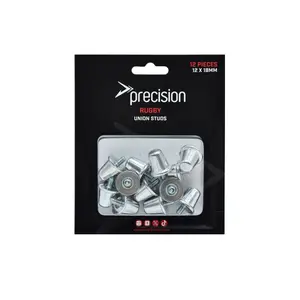
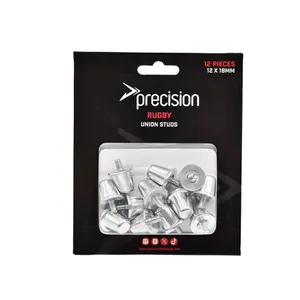
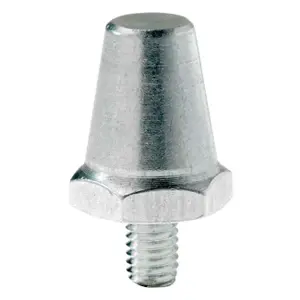
Our Rugby Studs page helps you choose your shoe sole: screw-in aluminium studs for muddy pitches, moulded for dry and synthetic surfaces, hybrids when the ground changes from one weekend to the next. Configuration with six or eight studs, World Rugby rules, choices based on position and age: the essentials for getting it right, from rugby school to seniors.
The right sole for every pitch.
Six or eight studs: the setup depending on the position
A sole with eight screwed studs, six at the front and two at the heel, is the classic configuration for props, hookers, and second rows: it increases the anchor points for pushing in the scrum and staying upright in a maul. Backs prefer a sole with six studs, four at the front and two at the heel, which is lighter and allows for more freedom in changing support. In between the two, the flankers often opt for a hybrid sole, which combines screwed studs and moulded studs to balance grip in rucks and mobility in defence.
Other families
Rugby shoes also come in:
All shoes can be found on the shoes page.
Twenty-one millimetres at most: what World Rugby requires
The World Rugby regulations on equipment specify the dimensions of studs: they must not exceed twenty-one millimetres in length, with a diameter of at least ten millimetres at the tip and thirteen millimetres at the base. They must not have any burrs or sharp edges, and a dedicated British standard governs their manufacture. Before a match, the referee or their assistants may inspect the soles and refuse a player whose studs are worn out. An aluminium stud that rubs against the concrete in the changing rooms wears out quickly and becomes sharp: it should be replaced immediately.
Screwed, moulded, or hybrid: read the ground before choosing
Screwed studs in aluminium dig into the waterlogged pitches of winter and can be changed individually when they wear out: these are SG soles, for soft ground. Moulded studs, which are integral to the sole and more numerous, distribute the weight on dry and recent synthetic pitches; they protect the joints when the ground is hard. Hybrid soles, which mix screwed studs and moulded studs, are suitable for players who alternate between muddy grass and firmer ground. Many players have two pairs to cover the whole year, from the start of the season to the last matches in spring.
Good deals
The best bargains can be found in good deals, promotions, clearance, sales, Black Friday. The new arrivals feature the latest models. The key times of the year follow a stable order: Black Friday in late autumn, the festive season, winter sales, the French Days in spring, followed by summer sales and back-to-school season.
Frequently asked questions
What studs should a child have at rugby school?
Moulded studs, attached to the sole, lightweight and low-maintenance. They grip on grass as well as on harder surfaces and eliminate the need for a key. Screwed studs come later, when the teenager plays competitively on muddy lawns.
Are hybrid studs suitable for forwards?
For a mobile flanker, yes: the hybrid sole provides the necessary grip for contact without weighing down the foot. A prop or second row, who pushes in the scrum, is better served by eight screwed studs, which are more stable on a muddy pitch.
Do women need different studs?
The studs are identical and adhere to the same regulations. The difference lies in the shape of the shoe: some women's models, like the Gilbert Torq, have a narrower fit, designed for a more slender foot.
How often should you change your screwed studs?
There is no fixed schedule: inspect your studs before each match. As soon as a stud has lost height, has rounded off, or has sharp burrs, replace it, preferably with a complete set to maintain balanced support.
How can you prevent a stud from unscrewing during a match?
Clean the thread before screwing it in, tighten by hand first, and then finish with the key without forcing it, to avoid damaging the thread. A quick check mid-game on a very muddy pitch prevents losing a stud during play.






