
Men's rugby shoes
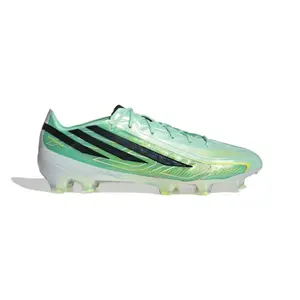
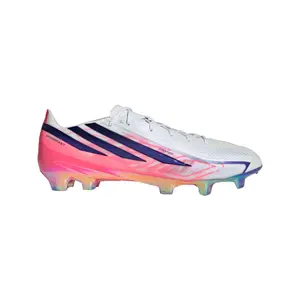
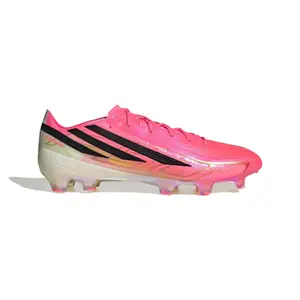
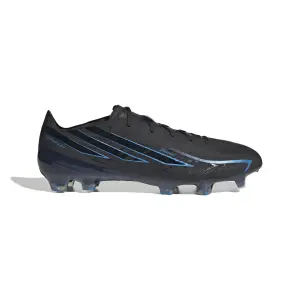
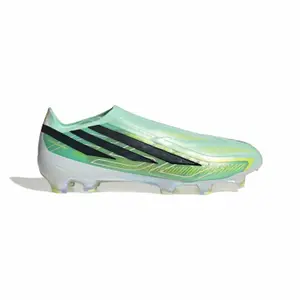
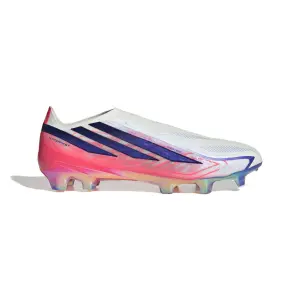
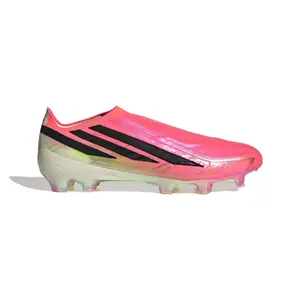
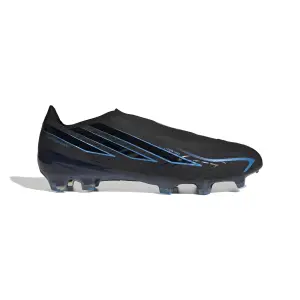
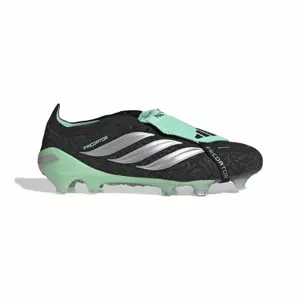
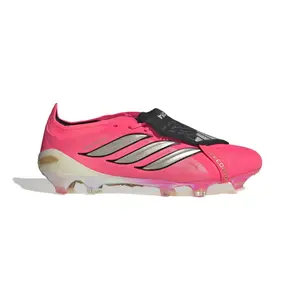
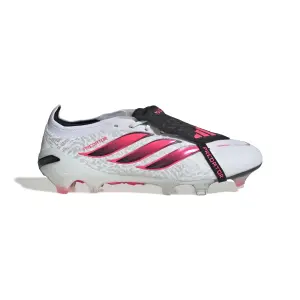
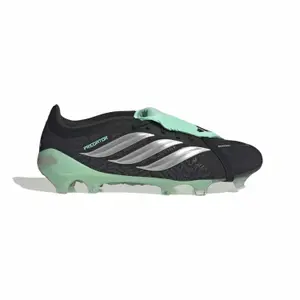
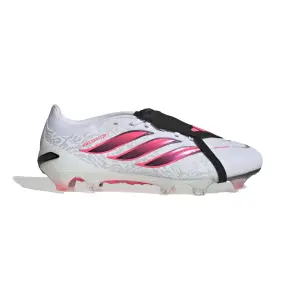
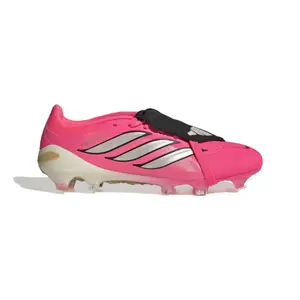
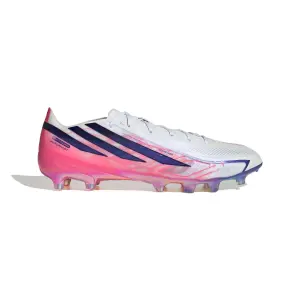
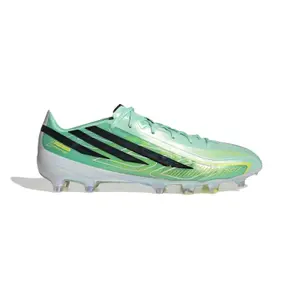
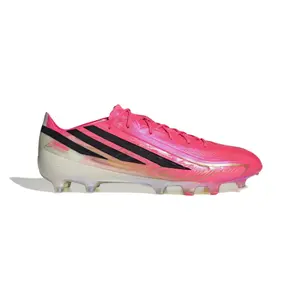
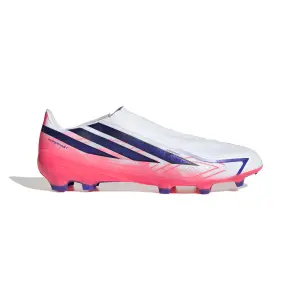
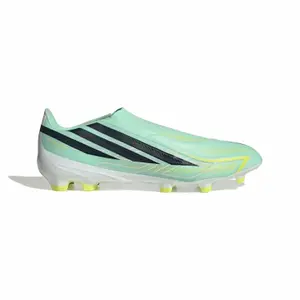
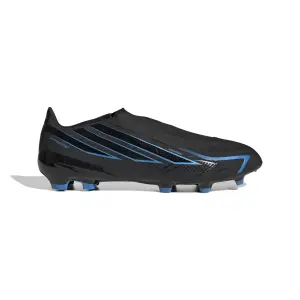
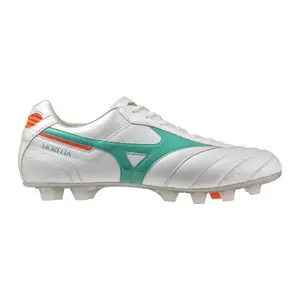
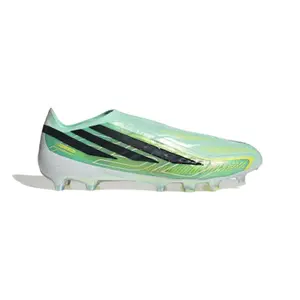
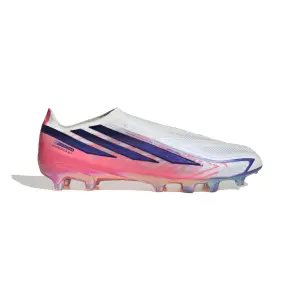
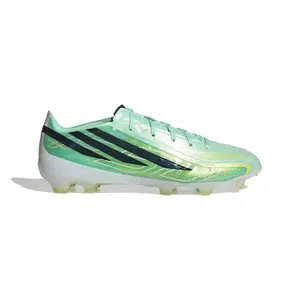
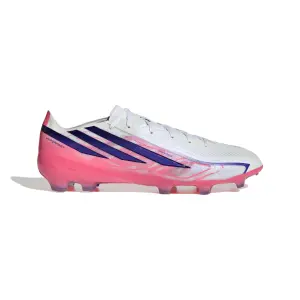
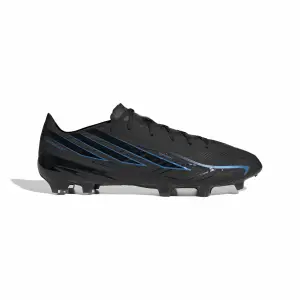
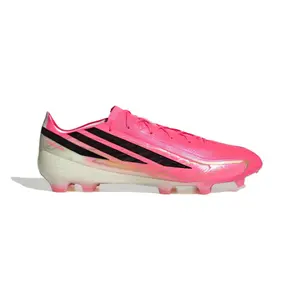
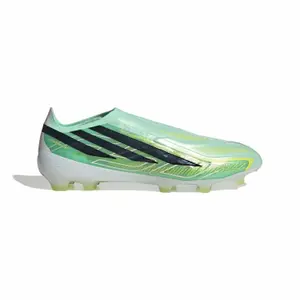
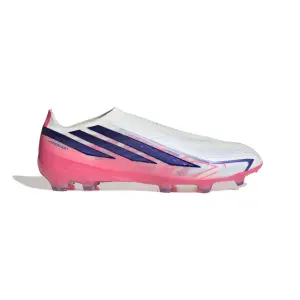
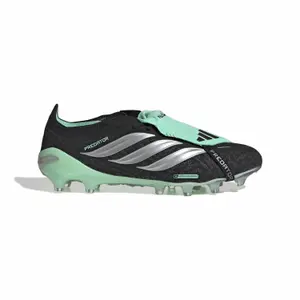
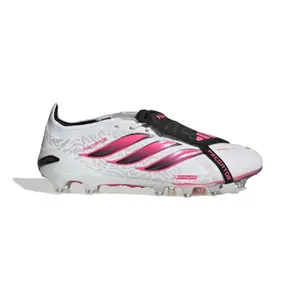
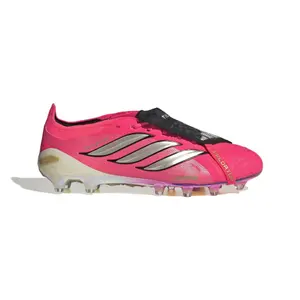
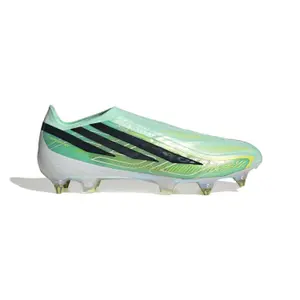
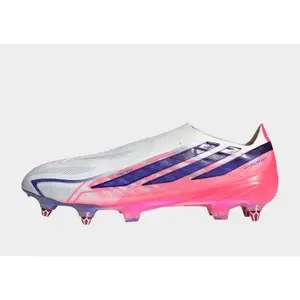
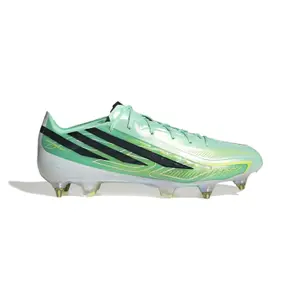
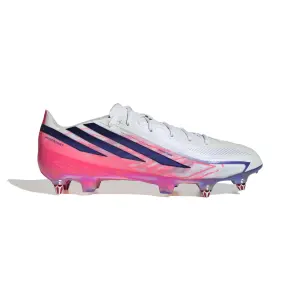
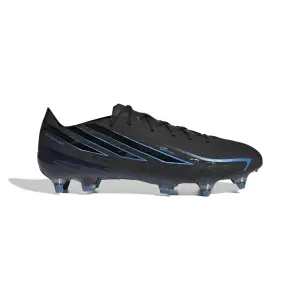
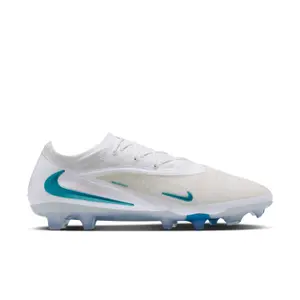


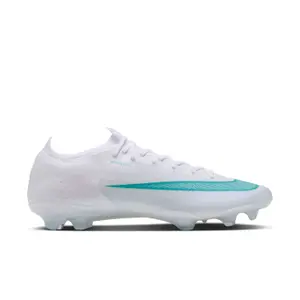


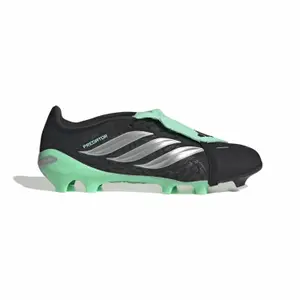
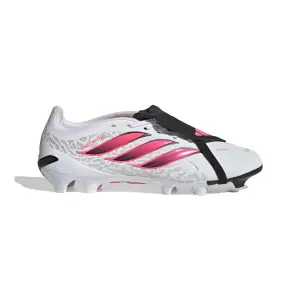
Our selection of men's rugby shoes brings together adult models from the big names in the sport: Kakari from adidas for the forwards, Adizero RS range for the backs, Gilbert Power and Torq, Mizuno Waitangi and Morelia Neo. Eight studs for the pack, six for the back lines, moulded soles for firm ground, leather or synthetic: everything you need to find the right pair for your position and pitch.
A shoe for every position.
Kakari, Power, Waitangi: the shoes from the pack
Forwards primarily seek stability. The adidas Kakari is built on eight screw-in studs and an internal support system that enhances foot hold during scrums and rucks, while its inner cushioning prevents the heel from slipping. The Gilbert Power, with eight studs and a wider fit, accommodates the strong feet of props and second rows. Finally, the Mizuno Waitangi combines round aluminium studs, arranged six at the front and two at the heel, with diagonal flex grooves that allow the forefoot to bend during pushing phases.
The other families
Rugby shoes also come in:
All shoes can be found on the shoes page.
Adizero RS and Morelia Neo: kicker shoes
At adidas, the Adizero RS line is designed for backs. The Elite version pairs a soft leather forefoot with an off-centre lacing system that clears a wide striking area for tactical kicks and goal attempts. The Pro version goes further, featuring a seamless Fusionskin leather forefoot, lateral stability reinforcements, and a Speedframe sole; an Antoine Dupont-inspired edition follows suit. At Mizuno, the Morelia Neo in SG version, with kangaroo leather upper and removable metal studs, appeals to playmakers looking for a fine touch.
Gilbert Torq and moulded soles: the pair for dry pitches
One pair rarely covers the whole year. When the pitches harden, in autumn and spring, long screw-in studs dig in poorly and tire the joints. The Gilbert Torq in MSX version, with moulded studs, then takes over: weight is distributed across the entire footbed, providing grip on dry grass as well as on synthetic surfaces, and there's no stud to tighten. Many adult players keep two pairs in their bag, one screw-in for muddy fields and one moulded for firm ground and training on artificial turf, which also extends the lifespan of each.
Good deals
Good deals can be found in the good deals, promotions, clearance, sales, Black Friday. The new arrivals feature the latest models. The highlights of the year follow a stable order: Black Friday at the end of autumn, the holiday season, the winter sales, the French Days in spring, then the summer sales and back-to-school.
Frequently asked questions
What shoe for a flanker?
It all depends on their profile. A flanker who pushes in scrums and clears rucks will go for a shoe with eight studs, like the Kakari; a flanker who covers a lot of ground will prefer a lighter shoe, with six studs or a hybrid sole.
Leather or synthetic for a rugby shoe?
Leather, especially kangaroo leather from Mizuno, softens and molds around the foot, at the cost of regular maintenance. Synthetic, predominant in forwards' shoes, holds up better against water and abrasion and dries quicker after a rainy match.
Does a rugby shoe fit like a city shoe?
Not always: back models often fit close to the foot, while forward models are wider. Measure your foot at the end of the day with a match sock and compare to the brand's size guide, rather than relying on your city shoe size.
How to break in a new pair before a match?
By wearing them for two or three short training sessions, laced normally, to allow the upper to adapt to your foot shape. Avoid heat-based tricks, which can dry out the leather and delaminate synthetics, and never wear them for the first time on match day.
When should you change rugby shoes?
When the sole becomes deformed, the upper detaches, or the heel no longer secures the foot. For a player who trains twice a week and plays on weekends, a pair generally lasts one to two years, depending on the pitches and maintenance.






