Children's rugby helmets


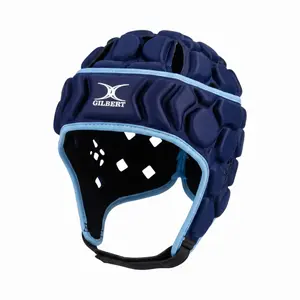


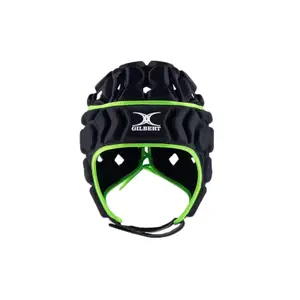
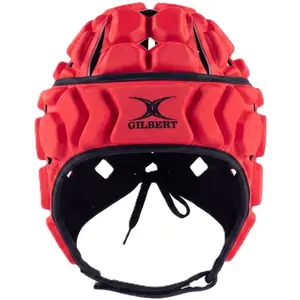

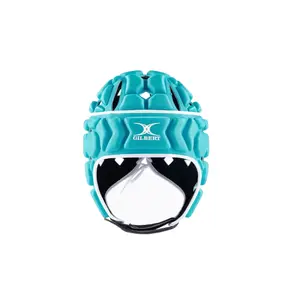
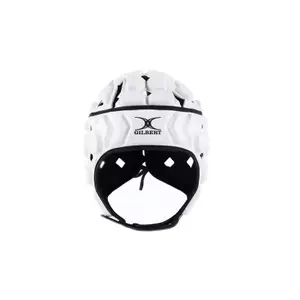
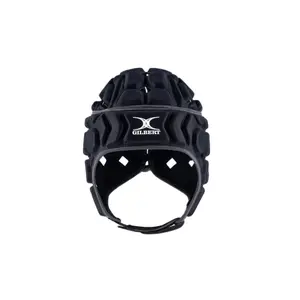
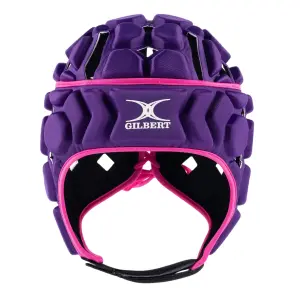
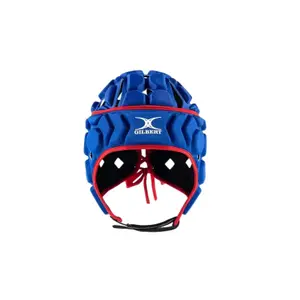
Our selection of children's rugby helmets includes the Gilbert Air, Octane and XP 250 models, with a version in the colours of the nations, as well as the Canterbury Raze. All are World Rugby approved, they protect the heads and ears of young players, both forwards and backs, from the first contact sessions to school rugby matches.
Protect the heads of the youngest.
Gilbert Air, Octane, XP 250: three helmet designs
The Gilbert Air is the lightest: its targeted ventilation zones allow air circulation, and its closed-cell foam protects the temples without reducing the field of vision; it comes in sizes from Small Child to Large Child. The Octane takes the front panels and rear block from the high-end models, featuring large octagonal EVA foam cells and a padded chin strap. The XP 250, with its soft three-dimensional structure and hexagonal cells, clears the ears for better hearing of announcements and adjusts with a rear lacing; it is also available in national colours.
Other protections
Children's protections are also available in:
All children's protections can be found on the children's protections page.
The Canterbury Raze: an all-around head protection
The Canterbury Raze features a three hundred and sixty-degree padding made from EVA foam, which absorbs impacts from all sides, and has ventilation holes to dissipate heat. Its flexible chin strap has a unique feature: it detaches under heavy impact to reduce strain on the neck. This device reassures parents of younger children, for whom the helmet is often adopted from the first tackling sessions. Like all models in this selection, it carries the World Rugby approval label, which is essential for acceptance by the referee during matches.
Measuring head circumference and adjusting the chin strap
The head circumference is measured with a tape measure, horizontally, just above the eyebrows and ears, and then referred to the brand's guide. The helmet should fit snugly around the head without any pressure points, with openings directly in front of the ears. The chin strap is adjusted so that a finger fits under the chin: when properly fitted, the helmet does not move when the child shakes their head. After the session, it should be rinsed with lukewarm soapy water and left to air dry, never on a radiator that would harden the foams.
Good deals
Good bargains can be found in the special offers, sales, clearance, Black Friday. Items shipped in 24h are prepared and dispatched within 24 hours. The major sales events of the year follow a consistent order: the Black Friday at the end of autumn, the end-of-year holidays, the winter sales, the French Days in spring, followed by the summer sales and back-to-school period.
Frequently asked questions
Why wear a helmet in rugby?
It protects the scalp from cuts and the ears from repeated friction in scrums, which can lead to cauliflower ear. For children, it also provides reassurance during first contacts, without replacing the need to learn safe tackling.
What size helmet for an eight-year-old child?
Age alone is not enough: at eight, head circumference can vary by several centimeters from one child to another. Measure it and choose the corresponding size in the brand's guide, without selecting a larger size to anticipate growth.
Is a helmet mandatory for young players?
The laws of the game allow it but do not require it, and it generally remains a choice for families. However, some coaches recommend it for forwards, who are more exposed to friction in scrums and rucks.
Gilbert Air or Canterbury Raze: which one to choose?
The Air is suitable for children who fear getting hot or feeling constricted, thanks to its lightness and ventilation. The Raze, with its all-around protection and chin strap that detaches upon impact, reassures parents of the more involved players.
How long does a rugby helmet last?
As long as the foams maintain their flexibility and the outer shell is neither torn nor compressed. In practice, a child's growth often necessitates changing sizes before wear and tear occurs: check the fit at every back-to-school season.