
Studded footwear Puma
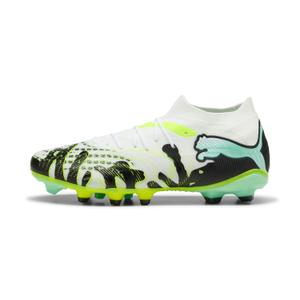
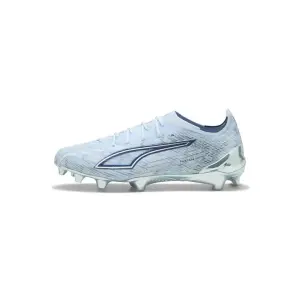
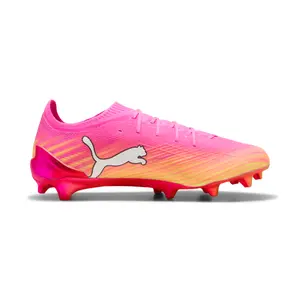
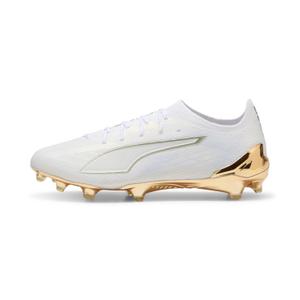
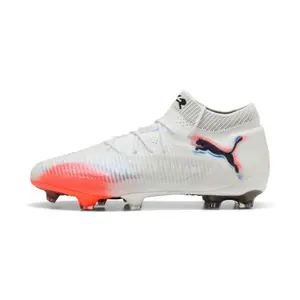
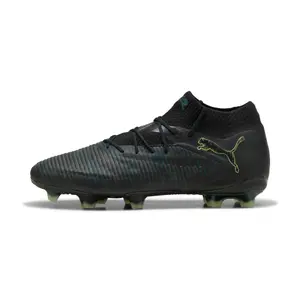
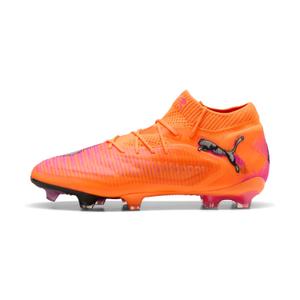
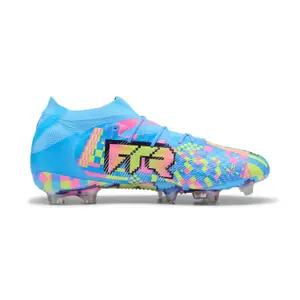
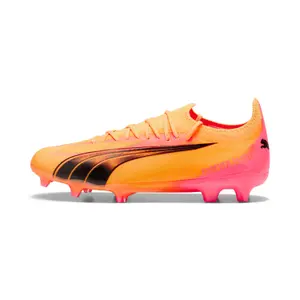
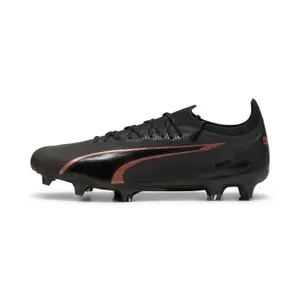
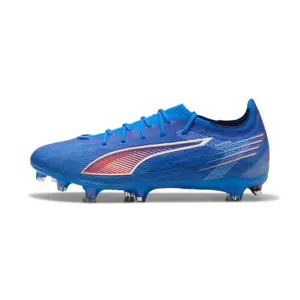
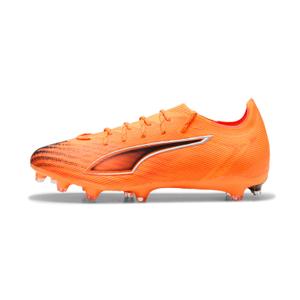
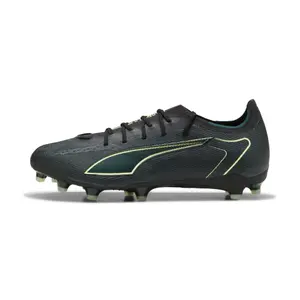
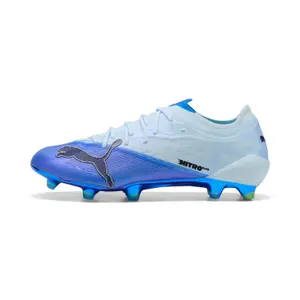
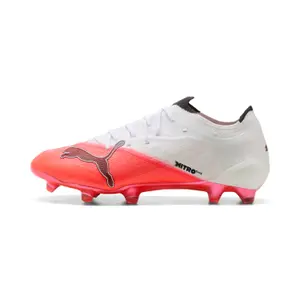
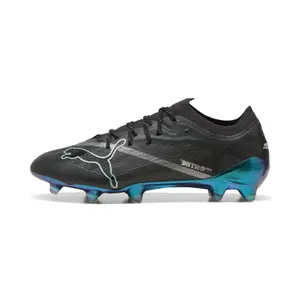
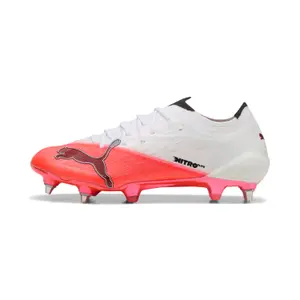
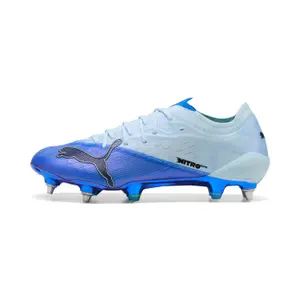
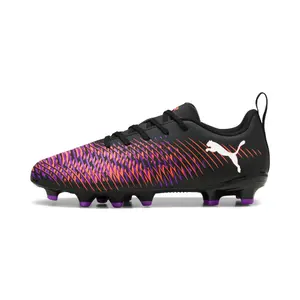
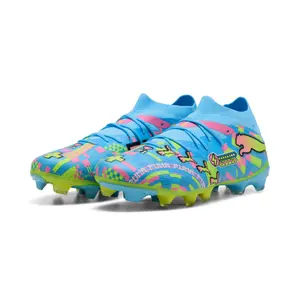
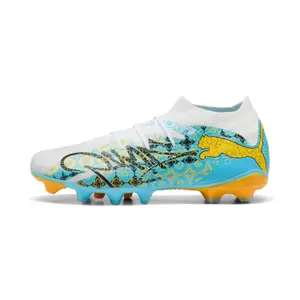
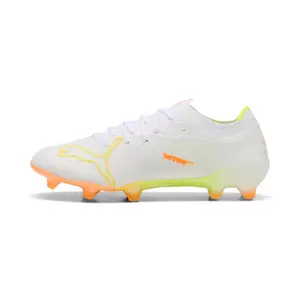
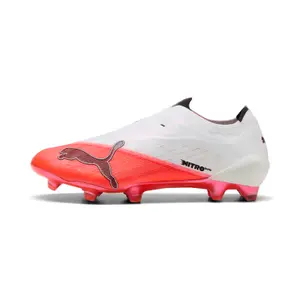
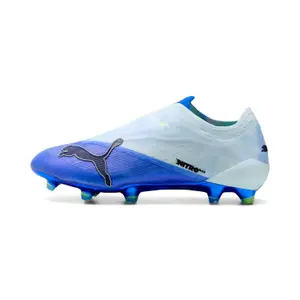
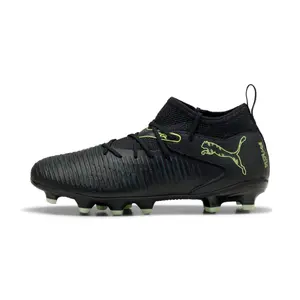
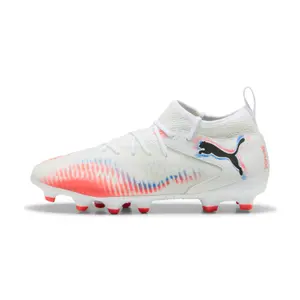
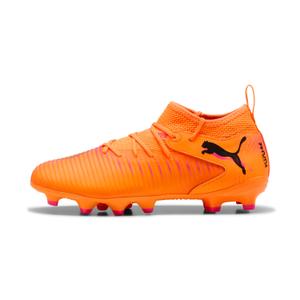
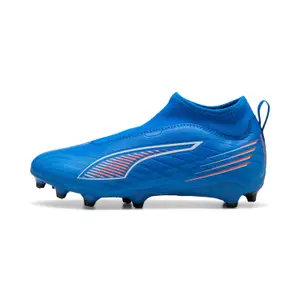
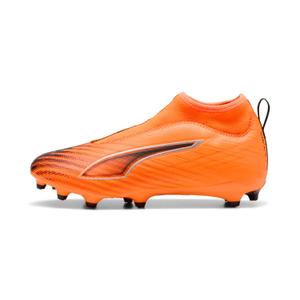
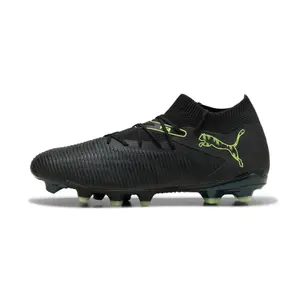
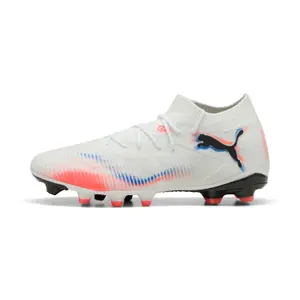
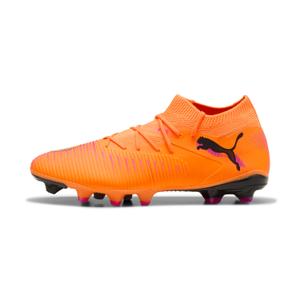
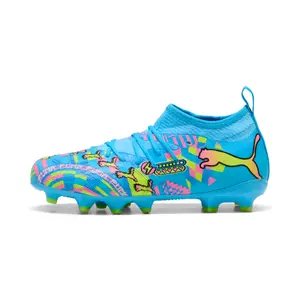
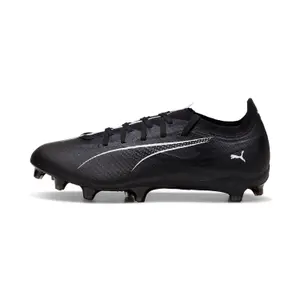
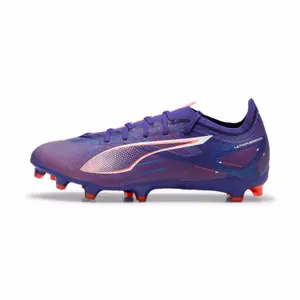
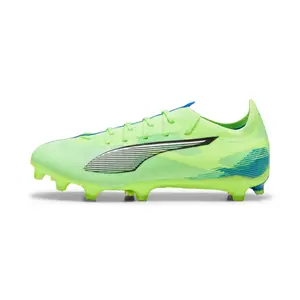
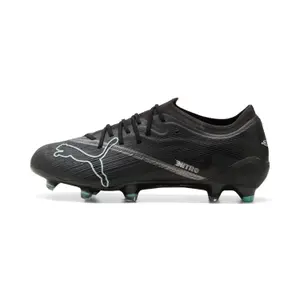
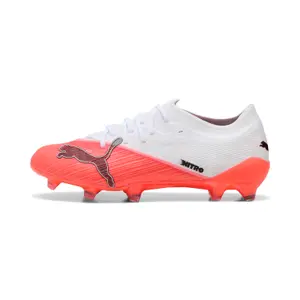
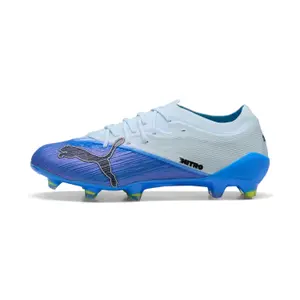
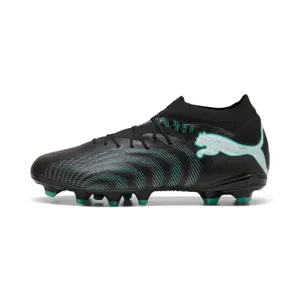
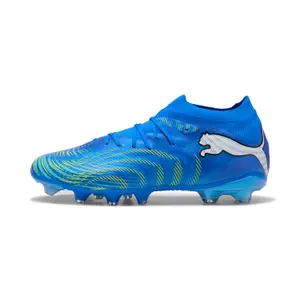
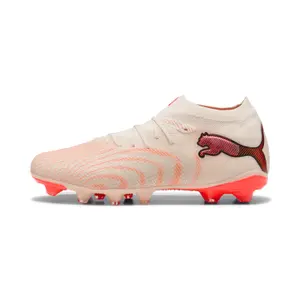
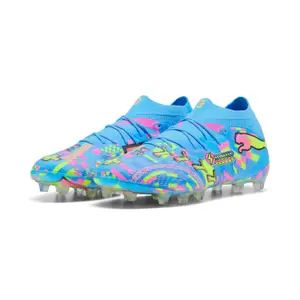
Our selection of Puma brings together the studded shoes from the Herzogenaurach brand: the Future with adaptive fit, the Ultra designed for speed, and the King, the classic with a soft touch, available in FG/AG or mixed soles and in kids' sizes. They are mainly aimed at backs, wingers, and scorers. Our tips help you choose the right range and sole for rugby.
The feline from Herzogenaurach.
Puma, the brand with the feline that was born in 1948
Puma was established in 1948 in Herzogenaurach, Bavaria, when Rudolf Dassler set up his own company after parting ways with his brother Adolf. Both factories face each other on either side of the Aurach river. The brand built its reputation on the studded shoe, with the King, launched in 1968, worn by Pelé during the 1970 World Cup. Today, Puma organizes its offerings around three complementary families, from the lightest model to the most traditional, which rugby backs willingly adopt for their lightness and feel.
The Puma ranges
The Puma shoes come in:
All shoes are gathered on the shoes page.
Future, Ultra or King: three ranges, three profiles
Each Puma range caters to a style of play. The Future focuses on agility: an elastic compression band wraps around the midfoot and adapts to its shape, to the point that some versions can even be worn without laces. The Ultra is the lightest, with a fine and stretchy upper designed for the sprints of wingers and backs. The King prioritizes comfort and touch: long made from kangaroo leather, it has been using a soft synthetic material since 2023 that replicates the feel. For a kicker, the King or the Future; for a speedy finisher, the Ultra.
FG/AG, MxSG: which Puma sole for rugby
Most Puma models are offered with a FG/AG sole, designed for both dry natural grass and synthetic turf, handy in clubs that alternate the two. These molded studs are suitable for training and matches at the start or end of the season. For winter, some versions come in MxSG or SG: they combine screwed and molded studs, or only have screwed ones, to grip into a sodden pitch. Regardless of the sole, the World Rugby regulations require rounded studs, with no sharp edges, no longer than twenty-one millimetres.
Good deals
Good bargains can be found in the good deals, promotions, clearance, sales, Black Friday. The new arrivals showcase the latest models. The highlights of the year follow a stable order: Black Friday at the end of autumn, the festive season, the winter sales, the French Days in spring, followed by summer sales and back to school.
Frequently asked questions
Do the Pumas from Argentina have any connection to the Puma brand?
No: the nickname dates back to a tour in South Africa in 1965, when a journalist mistook the jaguar from the Argentine emblem for a puma. The German brand and the national team have nothing in common.
Is a Puma shoe suitable for rugby?
Yes for a fullback, winger or kicker, on dry or synthetic pitches, and in MxSG or SG versions in winter. For forwards, who need a reinforced upper for scrummaging, a rugby shoe is preferred.
What does FG/AG mean on a Puma shoe?
FG denotes firm natural grass, AG artificial turf. An FG/AG sole is suitable for both surfaces, with molded studs short enough not to hinder the foot on synthetic turf.
Does Puma fit large or small?
The brand generally fits true to size. The Future, with its elastic band, suits many foot shapes, while the Ultra, which is very fitted, may sometimes require half a size bigger for a wide foot.
Which Puma shoe for a child?
The Future and Ultra come in kids' sizes, with an FG/AG sole. The versions with elastic laces, which don’t require tying, make it easier for the little ones to get dressed before training.






