
Stade Français Paris, the Jean-Bouin club
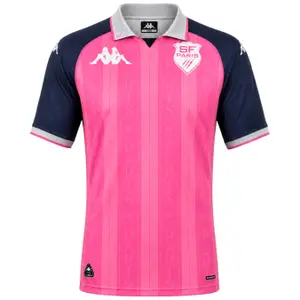
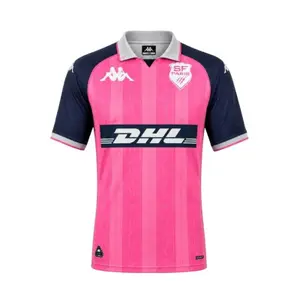
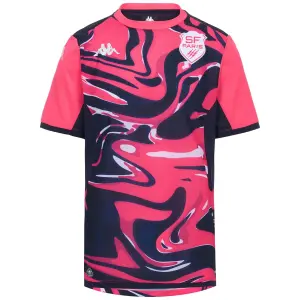


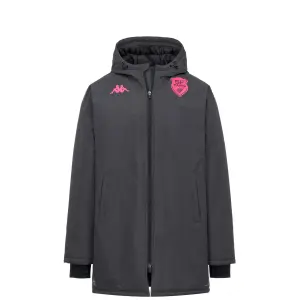
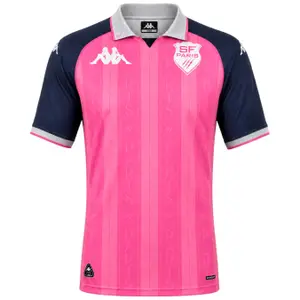

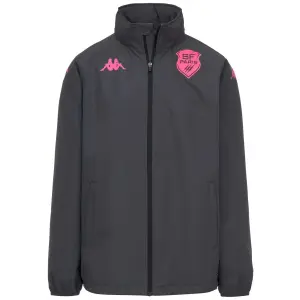
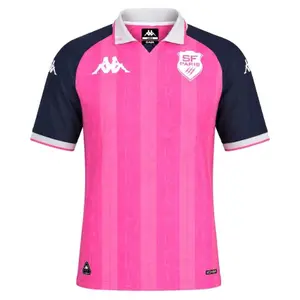
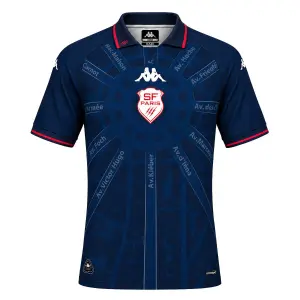
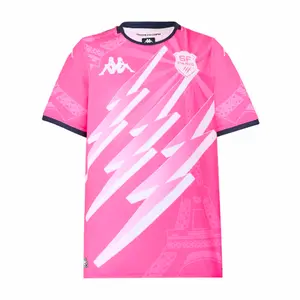


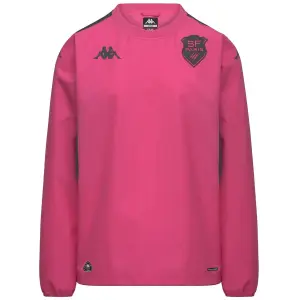
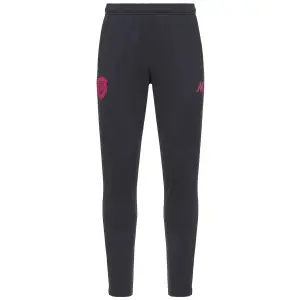
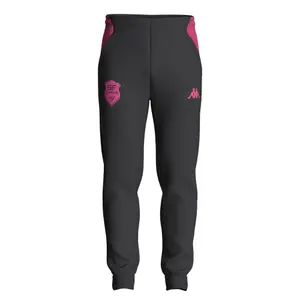
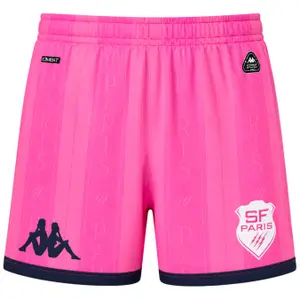
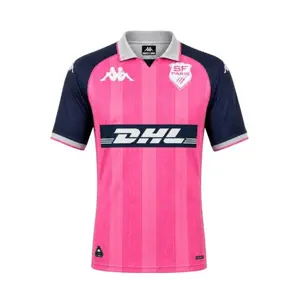
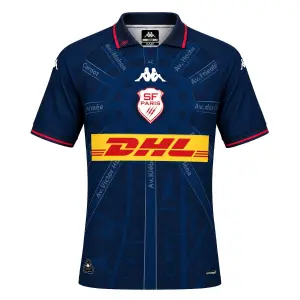
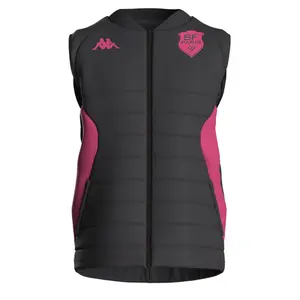
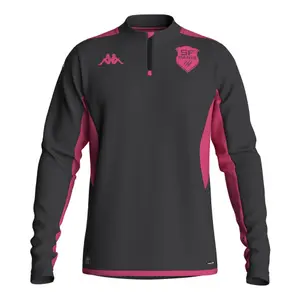
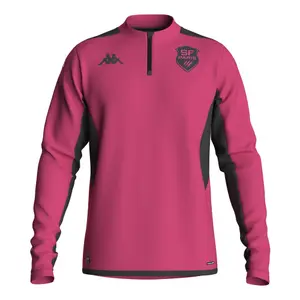
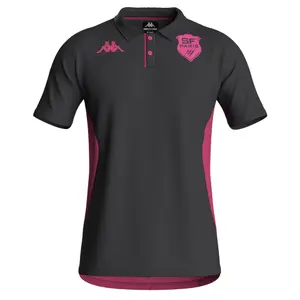
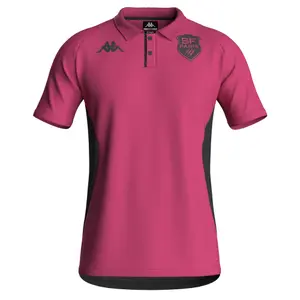
Our Stade Français page brings together the official jerseys Kappa of the Parisian club: the home jersey, the away jersey and the pre-match jersey worn during warm-ups. A selection for the Jean-Bouin supporters, accompanied by the story of a pioneer of French rugby, from titles before 1910 to those of the Guazzini era, and our tips for choosing the right fit.
The blue, the red, and Parisian boldness.
From 1883 to the Brennus in 2015, a Parisian pioneer
The Stade Français was born on 13 December 1883, founded by five students gathered at the Procope café, near the Odéon. On 20 March 1892, it played in the very first final of the French championship, narrowly losing by a point to Racing under the refereeing of Pierre de Coubertin. It got its revenge as early as 1893 and racked up titles until 1908. After a long lull, the club was revived in the 1990s under the presidency of Max Guazzini and lifted the Brennus Shield in 1998, 2000, 2003, 2004, and 2007, and again in 2015. It finally added the European Challenge to its list of achievements in 2017.
The other clubs in the championship
The teams from the Top 14 and the Pro D2 also include:
- Stade Toulousain.
- Union Bordeaux Bègles.
- RC Toulon.
- Stade Rochelais.
- Racing 92.
- Aviron Bayonnais.
- ASM Clermont Auvergne.
- Biarritz Olympique.
- Brive.
- Castres Olympique.
- FC Grenoble Rugby.
- Montpellier Hérault Rugby.
- RC Vannes.
- US Carcassonne.
- USAP.
All the clubs in the championship can be found on the Top 14 / Pro D2 page.
Jean-Bouin, a concrete gem in the 16th arrondissement
The club hosts its matches at the Jean-Bouin stadium, which was completely rebuilt and reopened on 30 August 2013. Architect Rudy Ricciotti enveloped it in a wavy mesh of 3,450 triangular panels made of ultra-high-performance fibre-reinforced concrete, allowing light to filter through into the stands. The venue, which seats around twenty thousand, is named after Jean Bouin, a long-distance runner from Marseille who won a silver medal in the 5,000 meters at the Stockholm Games in 1912 and fell at the front in 1914. For its biggest matches, the club has also aimed high: on 15 October 2005, it drew 79,502 spectators at the Stade de France against Toulouse, setting an attendance record at the time for a championship match.
Home, away, or warm-up: three Kappa jerseys
The home jersey is the one the team wears at Jean-Bouin; the away jersey is used during matches on the road and has a distinct design to avoid any confusion with the opponent's colours. The warm-up jersey is worn by players during warm-ups before they put on the official kit: often more graphic in nature, it can be worn both in the stands and on a daily basis. All three models are made by Kappa, the club's kit supplier from 2002 to 2005 and again since 2019. The Turin brand tends to fit closely to the body on its technical jerseys: for a looser fit, choose one size up from your usual size.
Good deals
Good deals can be found in the good plans, promotions, clearances, sales, Black Friday. The new arrivals showcase the latest collections, and items shipped within 24 hours are prepared and dispatched within 24 hours. The highlights of the year follow a consistent order: the Black Friday at the end of autumn, the holiday season, the winter sales, the French Days in spring, then the summer sales and back-to-school.
Frequently asked questions
Why did Stade Français adopt pink?
Pink made its appearance in 2005 under the impetus of Max Guazzini, who wanted to make rugby more festive and attract a new audience. Initially reserved for the away jersey, it replaced blue and red as the club's primary colour in 2007.
Who was Max Guazzini?
A radio man who worked at NRJ, he was president of the club from 1992 to 2011 and brought it up from the lower divisions to the title of champion of France as early as 1998. He is credited with the pink colour, the calendar of the Dieux du Stade, and the great events at Stade de France.
What is the calendar of the Dieux du Stade?
Launched in the early 2000s at the initiative of Max Guazzini, this calendar features the players of Stade Français, then athletes from other sports, photographed in the simplest of attire. It became a social phenomenon and a showcase for the club.
How do I get to the Jean-Bouin stadium?
The stadium is located in west Paris, near the Porte d'Auteuil. The metro stations Porte d'Auteuil, on line ten, and Porte de Saint-Cloud, on line nine, are just a few minutes' walk from the entrance to the stands.
How do I care for a Kappa Stade Français jersey?
Turn it inside out and wash it at thirty degrees, without fabric softener, which clogs the technical fibres and reduces their breathability. Air dry it, never in the tumble dryer, to preserve the badge and the heat-sealed logos.






