
Kids' shoes Puma
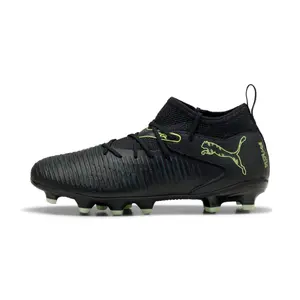
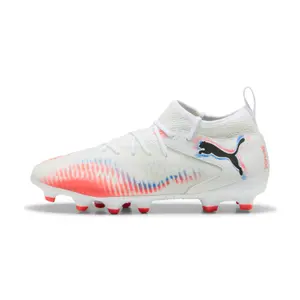
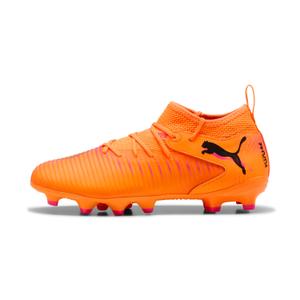
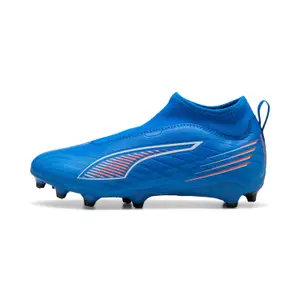
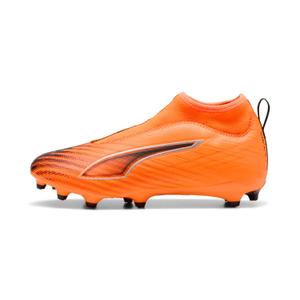
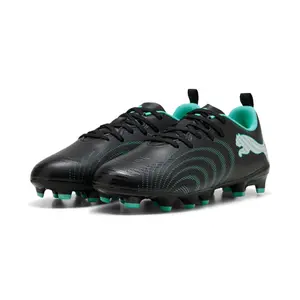
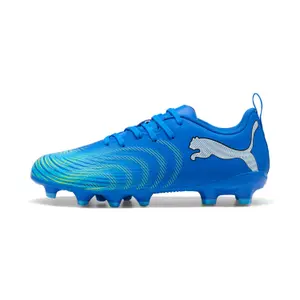
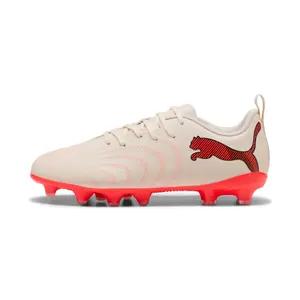
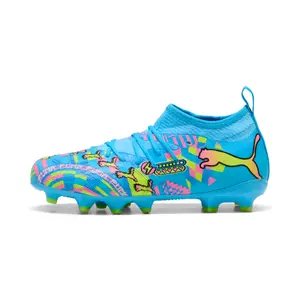


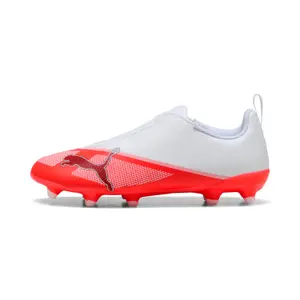
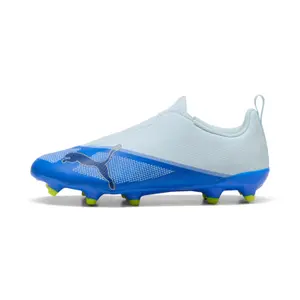
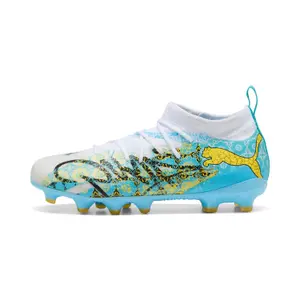

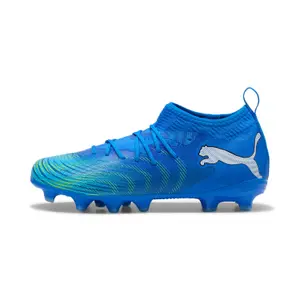
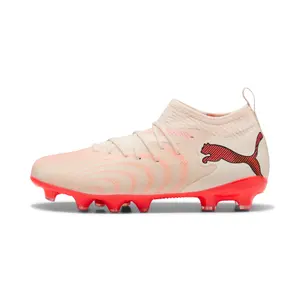
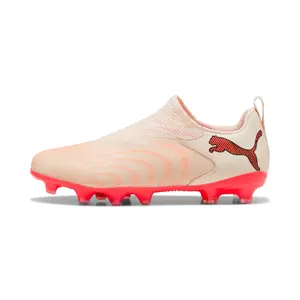
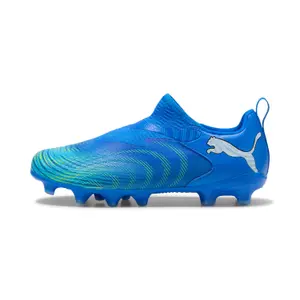
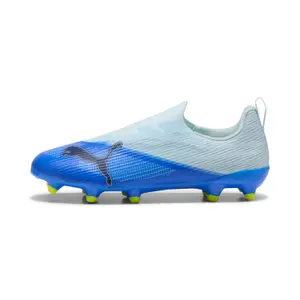
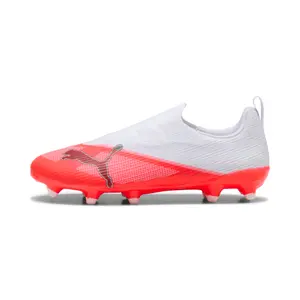


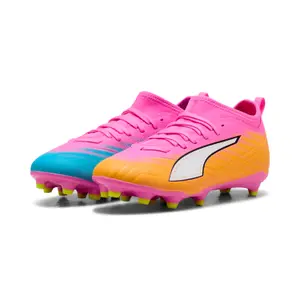


Our page children's shoes Puma features, when available, the studded shoes from the brand with the feline for young rugby players, including easy-to-put-on models for the little ones, along with the history of Puma, founded in 1948 in Herzogenaurach, and our tips for choosing closures, soles, and sizes.
The feline, starting from rugby school.
Rudolf Dassler and the birth of Puma
Puma was born in 1948 in Herzogenaurach, Bavaria, when Rudolf Dassler left the shoe company he founded with his brother Adolf and created his own business, initially named Ruda and later renamed Puma. The two factories are located on either side of the small river Aurach, and the rivalry between the two brothers has had a lasting impact on the town. The brand adopted the Formstrip, the band that runs along the side of its shoes, in 1958, followed by the bouncing feline that today decorates its boots as well as its clothing, from professional pitches to rugby schools.
Other brands
Children's shoes also come in:
All children's shoes are gathered on the children's shoes page.
Velcro, laces or elastics: what closure depending on age
For the little ones, closure is just as important as the sole. Shoes with Velcro, often marked by the letter V in the name of Puma children's shoes, allow children to put them on by themselves in the changing room; versions without visible laces, with elastic collars, wrap around the foot like a sock. From the age of seven or eight, as their movements become sharper and more frequent, classic laces take the lead again: they allow for precise adjustment of the fit around the forefoot and instep. In all cases, ensure that the tongue remains well-centered and does not create any pressure points.
The right ground for every sole
Puma offers its children's shoes according to the playing surface. The FG/AG sole, the most common, grips well on natural grass and can be used on synthetic turf; the MG sole is aimed at clubs that alternate between these two surfaces during the week; the TT sole, with small studs, is used on hard, stabilised or short-pile synthetic pitches. However, a winter-drenched rugby school pitch puts moulded studs to the test: one must check more frequently for wear on the studs and the condition of the stitching, as mud and moisture can wear out the shoe.
Good deals
Good deals can be found in the promotions, sales, clearance, Black Friday. Items shipped in 24h are prepared and sent within 24 hours. The key events of the year follow a stable order: Black Friday in late autumn, the year-end holidays, the winter sales, the French Days in spring, followed by the summer sales and the back-to-school season.
Frequently asked questions
Do the Pumas from Argentina have a connection to the brand Puma?
No. The nickname comes from South African journalist Carl Kohler who, during the Argentine tour in 1965, mistakenly identified the jaguar in the emblem as a puma. The mistake stuck, and Argentinians adopted it.
How can you tell if a shoe is too small for a child?
The child complains of pain in their toes, takes off their shoes at the end of the session, or shows redness on the top of the foot. When pressing the front of the shoe, there should be about a finger's width of space in front of the big toe.
What’s the difference between a Jr version and an adult shoe?
The Jr version replicates the style of the adult model on a shape suitable for a child's foot, in smaller sizes. The materials are often simpler, and the sole is softer, to remain comfortable for a lighter player.
Can you machine wash studded shoes?
It is not recommended: hot water and the drum's impacts may detach the sole and distort the upper. It is better to use a brush, lukewarm water, and a bit of soap, followed by air drying away from any source of heat.
At what age should kids switch to studded shoes?
From the first training sessions on grass, around five or six years old, moulded stud shoes help the child maintain their balance. Before that, or for indoor baby rugby, simple sports shoes with soft soles are sufficient.






