
Children's rugby training tops
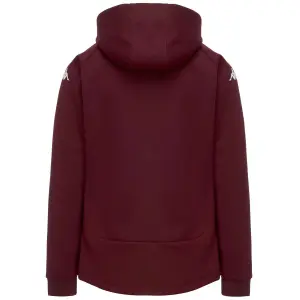


Our Training Tops page for children showcases, when available, the tops that young players wear during training sessions: long-sleeved technical tops, half-zip warm-up sweats, windbreakers, and lightweight jackets. We outline the materials that keep you dry, the cuts that allow free movement for passing, and how to dress a child according to the weather.
Stay warm during the session.
Technical tops, half-zip sweatshirts or windbreakers: three uses
Each training top suits a specific moment during the session. The long-sleeved technical top, made of fine polyester, can be worn directly on the skin or over a shirt and dries in a few minutes. The half-zip sweatshirt, thicker in nature, is for warming up and waiting times: its short zip can be opened when the child gets hot and zipped up to the chin when they stop. The windbreaker, very lightweight, shields against chilly winds on exposed pitches and fine rain without being too warm on mild days. For children, it's best to avoid large hoods and dangling cords, as they can be restrictive during contact activities.
The rest of the teamwear
Children's teamwear also comes in:
All children's teamwear can be found on the children's teamwear page.
Breathable polyester or fleece: materials that keep you dry
The material determines the child's comfort after twenty minutes of effort. A breathable polyester with fine mesh wicks sweat to the outer layer of the fabric, where it evaporates: the top remains dry against the skin. Brushed fleece, inside a sweatshirt, traps air and insulates during static exercises, but becomes heavy in the rain. Cotton, pleasant for everyday wear, retains moisture and cools the body during breaks: it's better to reserve it for travel. A top with reflective trims also makes the child visible during winter sessions that end after dark.
Fitted cut and sleeve length for passes and contact
A training top that's too baggy can get caught during tackling drills and balloon in the wind. It should fit close to the body, with sleeves that cover the wrists when arms are stretched without covering the hands, allowing the child to maintain contact with the ball upon reception. For size, refer to their height in centimetres, indicated on the label, and allow a slight extra room if the top is to be worn over a base layer. When washing, zip up the zips, turn the garment inside out, and avoid fabric softener, which clogs the pores of technical fibers.
Good deals
Good deals can be found in promotions, sales, clearance, and Black Friday. Items shipped in 24 hours are prepared and dispatched within 24 hours. The key sale periods of the year follow a consistent order: Black Friday at the end of autumn, the year-end holidays, the winter sales, the French Days in spring, then the summer sales and the back-to-school period.
Frequently asked questions
What training top should a child wear when it rains?
A water-repellent windbreaker worn over a technical top: the rain beads off the outer fabric while the inner layer wicks away sweat. After the session, change immediately to avoid staying wet.
How many layers for winter training?
Three layers are enough in very cold weather: a thermal base layer, a technical top or a sweatshirt, then a windbreaker. The child removes the outer layer as soon as they warm up and puts it back on during breaks.
Is a hooded sweatshirt suitable for training?
Yes, for warming up and travel, but the hood can get caught during contact exercises. Coaches often prefer a high-collared or half-zip sweatshirt, which keeps the neck warm without offering a grip.
Does the training top need to be in the club colours?
It's not mandatory for training, but many clubs offer a common top for the whole category. During outings and tournaments, it gives the group a uniform look and helps coaches identify their players.
How can I quickly dry a technical top?
Gently wring it in a towel then lay it flat or hang it up, away from the radiator. A fine polyester dries in a few hours at room temperature; tumble drying at high heat damages the fibers and prints.






