New rugby boots
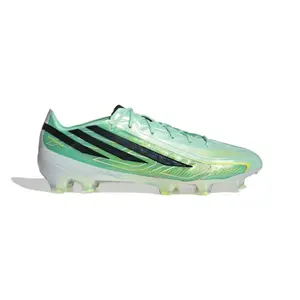
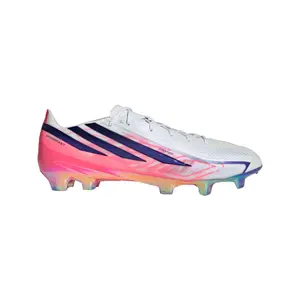
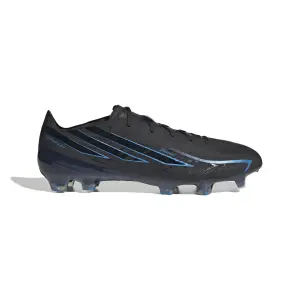
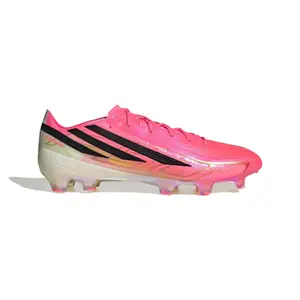
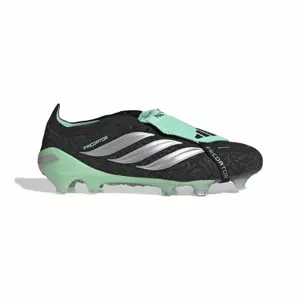
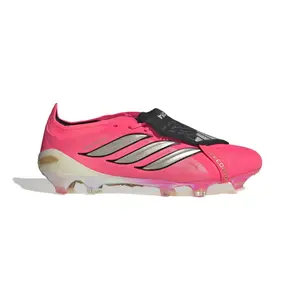
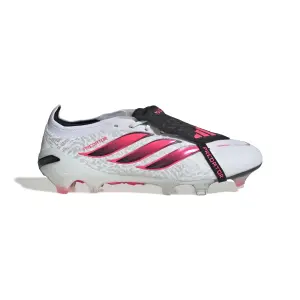
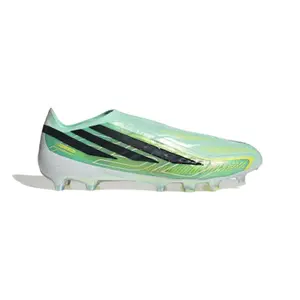
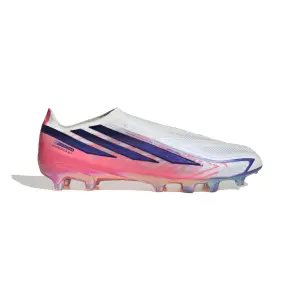
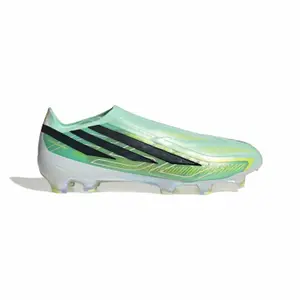
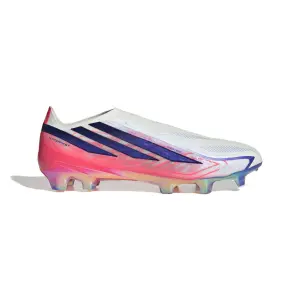
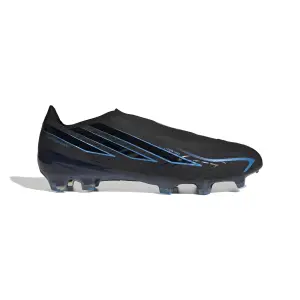
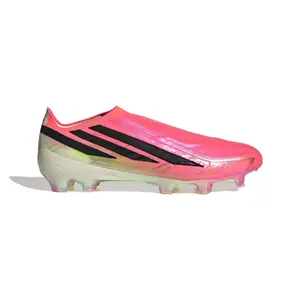
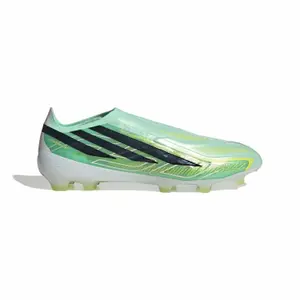
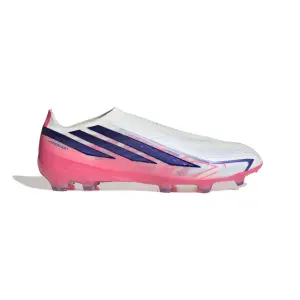
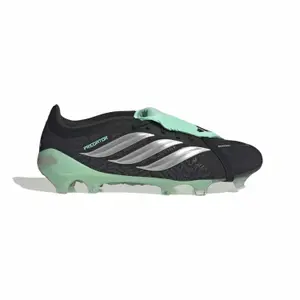
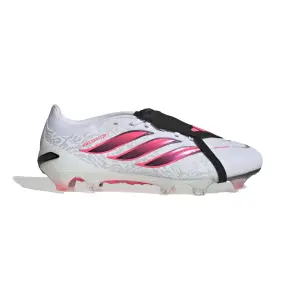
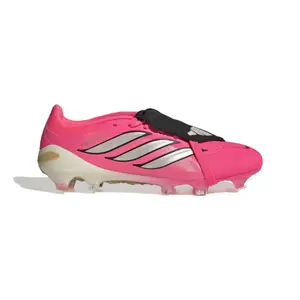
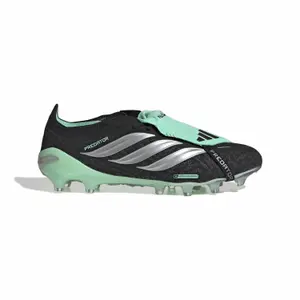
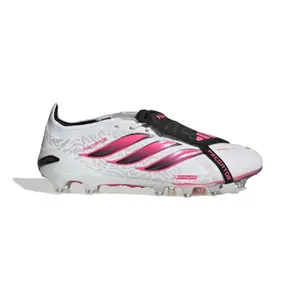
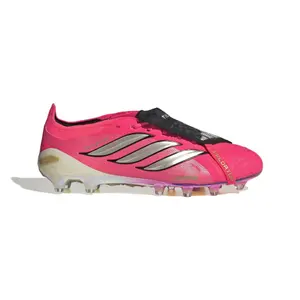
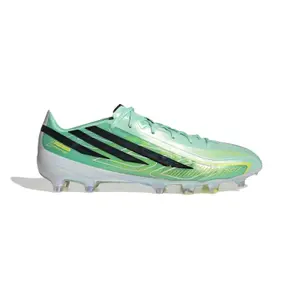
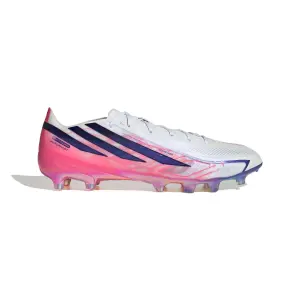
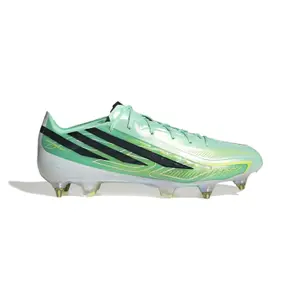
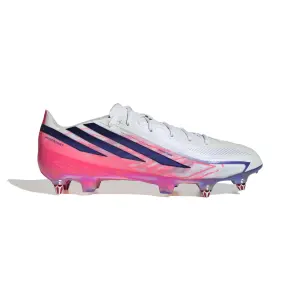
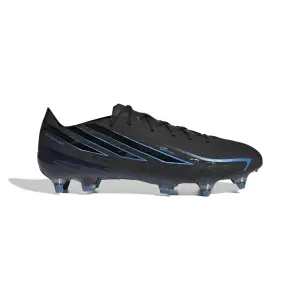
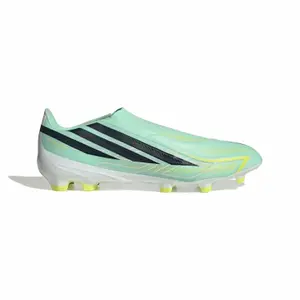
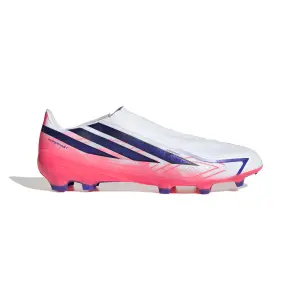
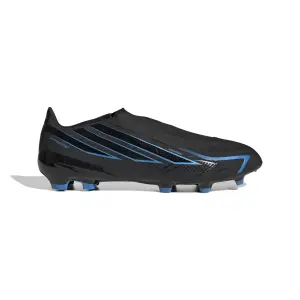
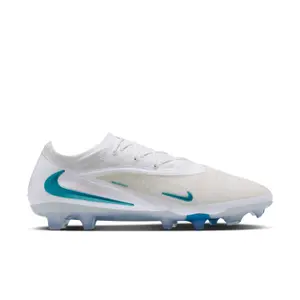


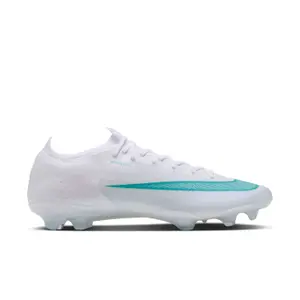


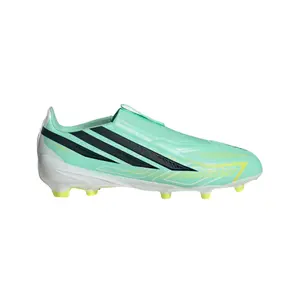
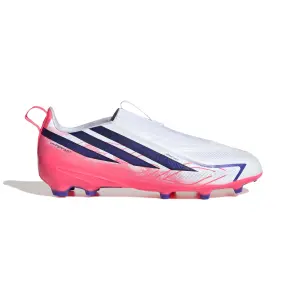
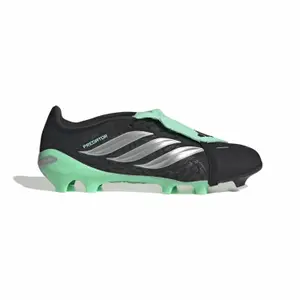
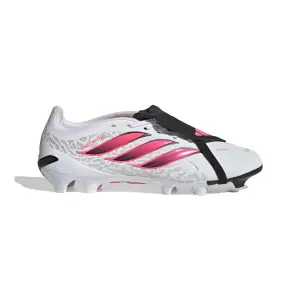
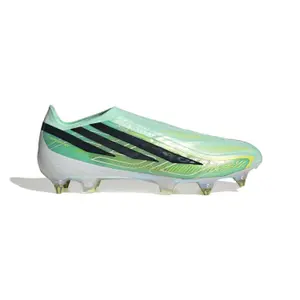
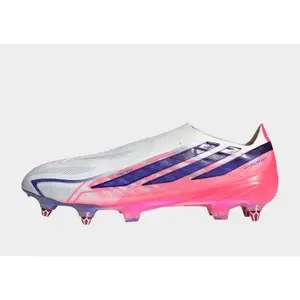
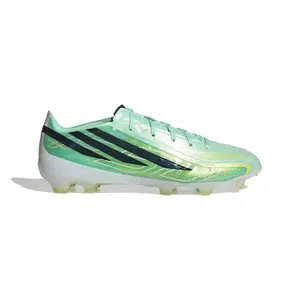
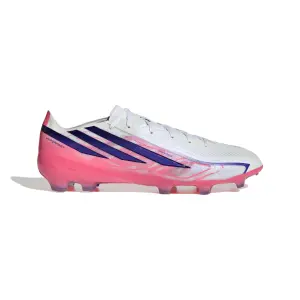
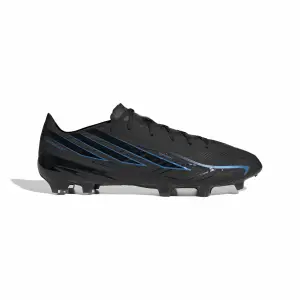
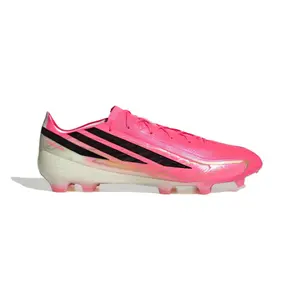
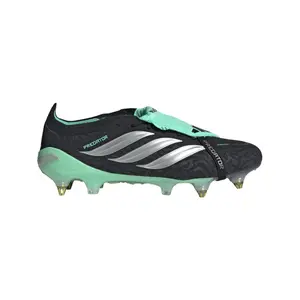
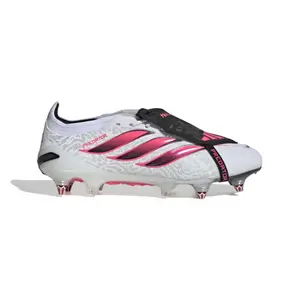
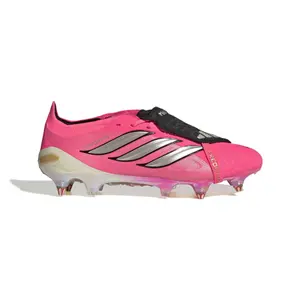
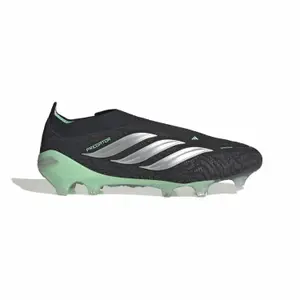

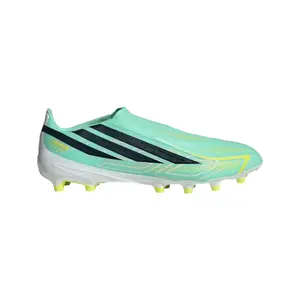
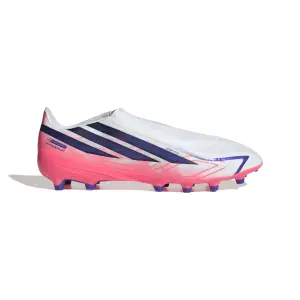
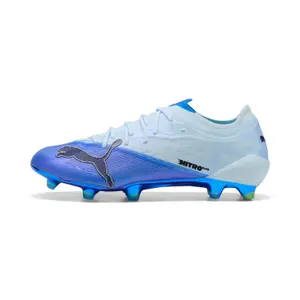
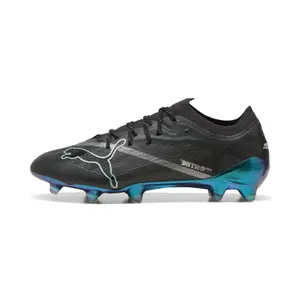
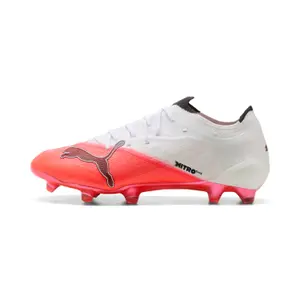
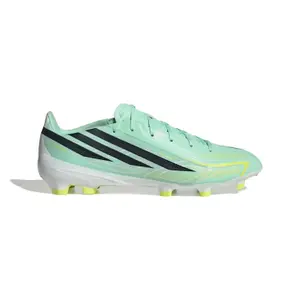


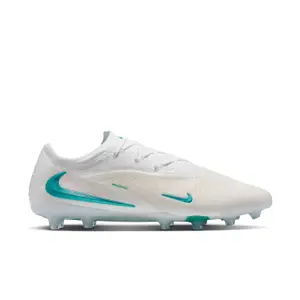


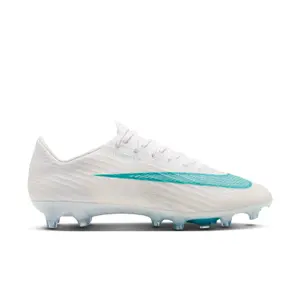
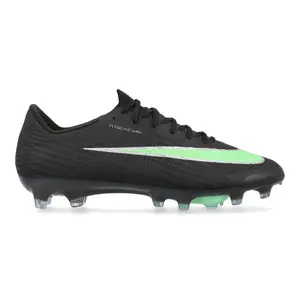
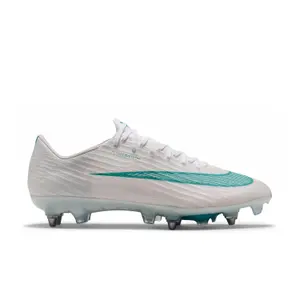
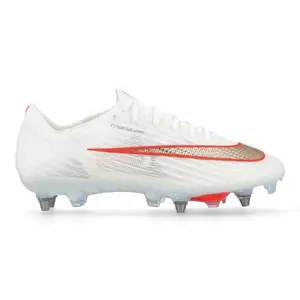
Our rugby boots new arrivals page brings together the latest studded models that have arrived in our catalogue, from screw-in boots for scrummaging and winter pitches to lighter moulded models for backs, available in adult and child sizes. You'll also find the new colours of our flagship ranges. Our tips help you choose based on your position, pitch and foot.
The latest studded models.
The latest models
This page brings together the newest shoes from our catalogue: new colours, new versions of flagship ranges, and new models. You'll find rugby boots with removable studs for forwards and soft pitches, and lighter moulded boots, which are popular with backs. The big brands are here: adidas, Canterbury, Gilbert, Mizuno, Puma, Under Armour, Asics, New Balance.
The other families
Rugby boots also come in:
All shoes are gathered on the shoes page.
Forward or back: the right shoe for the position
The position mainly determines the type of shoe. Forwards, props, hookers, second and third rows, look for a sturdy upper, a firm heel counter, and a sole with removable studs, often eight or ten, that digs into the ground for scrummaging and rucks. Backs prioritise lightness and responsiveness: moulded or mixed sole, thinner upper, snug fit for acceleration and kicking. Half-backs and third centres, sitting between the two roles, often choose a versatile model that is stable enough for contact and flexible enough for running.
Breaking in a new pair
A new shoe shouldn't be worn straight into a match. It should be broken in over two or three short training sessions, allowing the upper to mould to the foot and any friction points to appear before they become blisters. Try them on first at the end of the day, with match socks, ensuring there's about half a centimetre in front of the big toe. For a studded sole, check the tightness of the studs with a key before the first outing, as they can have loosened during transport. After each session, remove mud and let the pair dry at room temperature, stuffed with newspaper, away from a radiator.
Rugby boots for female players
Female players often wear unisex models, chosen in a small size, as most ranges start low down in the size chart. With women's feet generally being narrower at the heel, it’s important to ensure the heel doesn’t float: a tight lacing in the last eyelets or a shoe with a snug fit corrects this issue. The choice of sole follows the same logic as men's: removable for forwards and soft ground, moulded for backs and dry surfaces. Some brands occasionally offer dedicated colours or shapes; children's models in small sizes can also help a player with petite feet.
Bargain finds
Good deals can be found in bargains, promotions, clearance, sales, Black Friday. The key times of the year follow a stable sequence: Black Friday at the end of autumn, the end-of-year holidays, winter sales, the spring French Days, then the summer sales and back-to-school.
Frequently asked questions
Are there rugby boots for women?
Some models have a dedicated shape, but most female players wear unisex boots in a small size. The essential thing is that the heel is secure and the sole matches the position and the pitch.
Do you need removable studs to start playing rugby?
Not necessarily: moulded studs are sufficient on dry ground and for initial sessions. Removable studs become useful in the winter, on soft grass, and especially for forwards who push in the scrum.
What is a hybrid rugby boot?
It’s a sole that combines removable studs and moulded studs or blades. It grips pitches that transition from dry to soft throughout the season, without the weight of a fully studded sole.
How long does a pair of rugby boots last?
For a player who trains twice a week, a well-maintained pair usually lasts an entire season. A separating upper or worn-out moulded studs down to the sole indicate that it's time for a replacement.
How do you know if your rugby boot is too small?
Your toes shouldn't touch the end of the boot, even when running: keep about half a centimetre of space. Discoloured toenails or a numb foot after the match are signs of an incorrect size.