
Teamwear accessories for children






Our Accessories page for kids' teamwear showcases, when available, the small gear that completes the training outfit: long rugby socks, thermal and compression base layers, leggings, gloves, waterproof jackets, and spare studs. We explain what each item is for, what the regulations allow, and how to choose the right size for a young player.
The details that complete the outfit.
Rugby socks: height, thickness and club colours
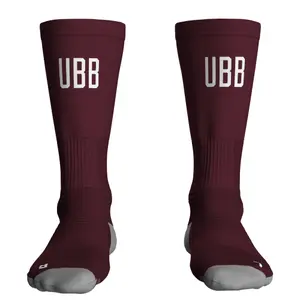
Rugby socks go up to just below the knee and are often folded down above the calf. Their foot, thicker than a regular sock, cushions the impact in studded shoes and reduces blisters, while the leg protects the skin from friction and opposing studs during rucks. In matches, clubs dictate the colour, often trimmed with bands matching the jersey, for a cohesive kit. For a child, the size is chosen according to their shoe size, and models that are too long, which slip and bunch in the shoe, are avoided.
The rest of the teamwear
Child teamwear is also available in:
All child teamwear is gathered on the child teamwear page.
Thermal base layer and compression for winter training
The base layer is worn directly against the skin, under the training jersey. In a thermal version with long sleeves, it keeps warmth during static winter exercises and wicks sweat away while a cotton t-shirt would stay wet and cool the child down. The compression version, which is tighter, supports the muscles and reduces friction, particularly under the arms. It should be snug enough to avoid any folds under the jersey, but without leaving a red mark on the skin after an hour of wearing: an undergarment that is too tight can hinder movement and circulation.
Fingerless gloves, rain jackets and replacement studs: what the rules say
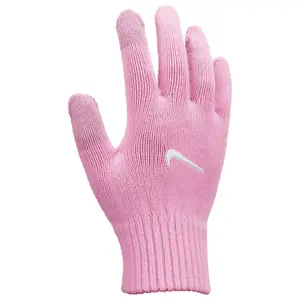
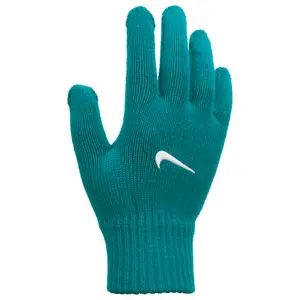
The World Rugby game rules allow fingerless gloves, gloves with cut-off fingers, which improve grip on a wet ball and protect the palms from the cold; full-finger gloves are not mentioned. Replacement studs must also comply with Regulation 12: no more than twenty-one millimetres, no burrs or sharp edges, which means a damaged stud should be replaced rather than filed down. For waiting times on the sidelines, a lightweight, waterproof jacket with a hood and sealed seams keeps the child dry between drills and can be rolled up in the bag.
Good deals
Good bargains can be found in special offers, sales, clearance, Black Friday. Items shipped in 24 hours are prepared and dispatched within 24 hours. Key times of the year follow a stable order: Black Friday in late autumn, the holiday season, winter sales, spring's French Days, then summer sales and back-to-school.
Frequently asked questions
At what age should kids wear rugby socks?
From the first license: high socks are part of the kit for rugby schools, even for the youngest players. They protect the shins from friction and give the team a uniform look during matches.
How can I prevent socks from slipping during training?
Choose the size based on shoe size and fold the top over an elastic band placed under the knee. A sock that is too big will always end up slipping, regardless of the hold added.
Can leggings replace shorts?
Long leggings also cover the calves and are suitable for sessions in very cold weather, worn under shorts. In a match, check with the coach whether the club allows them as part of the official kit and its colour.
Is a training vest useful for a child?
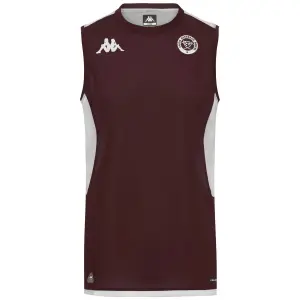
In warm weather, yes: sleeveless, it allows the shoulders to breathe during sessions in September and June, and can be worn under a bib for matches. In winter, it is replaced by the thermal base layer.
How do you wash white rugby socks?
Soak them in cold water to loosen the mud, then wash at thirty or forty degrees, inside out, with other light coloured items. A stain remover for white fabrics can tackle dirt; bleach, however, damages elastic fibres.






