
Elliptical Bike for low-impact cardio
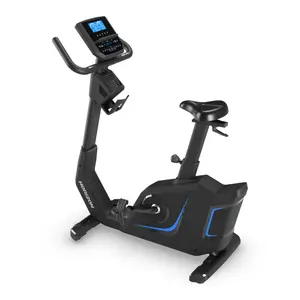
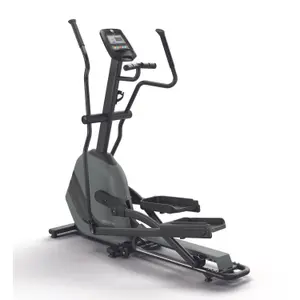
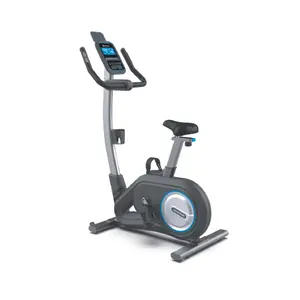
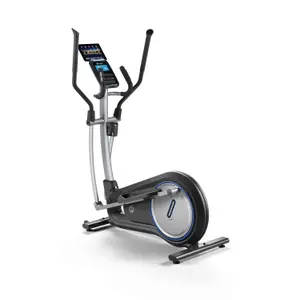
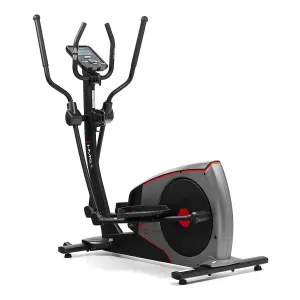

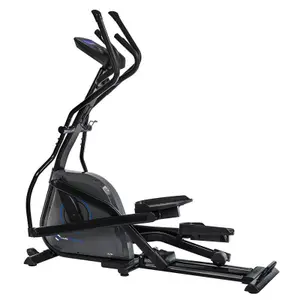


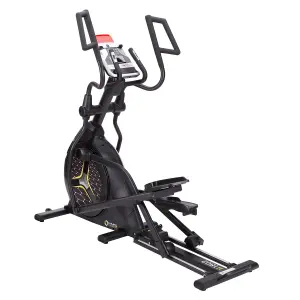
Our elliptical bike page features machines that mimic the running stride without contact with the ground, moving arms and legs. It is aimed at those who want to maintain their cardio while being easy on their knees and ankles, with our tips on how to choose stride length, the position of the flywheel, and the type of resistance.
Running, without the impacts.
A running stride, without the impact on the ground
The elliptical bike was invented in the mid-1990s: American engineer Larry Miller built the prototype at home, using plywood and roller wheels, before a fitness equipment manufacturer bought the rights and launched it in 1995. The principle remains the same: the feet describe an ellipse without ever leaving the pedals, which eliminates the impact that occurs with every stride when running. The moving handles engage the upper body in the movement, working the chest, back, and arms. For a rugby player, it's the machine that comes closest to the running motion while saving the joints.
The other machines
Cardio comes in various forms:
All cardio equipment can be found on the cardio page.
Stride length and flywheel depending on height
The stride length is the first criterion: if it's too short, it creates a choppy and frustrating movement. The ideal is about thirty-eight to forty-five centimeters under a height of one meter seventy, forty-six to fifty-one centimeters up to one meter eighty, and more for taller individuals, common among forwards. The flywheel can be placed at the front on more compact machines, or at the back for a flatter stride that’s closer to running. The heavier it is, the smoother the motion. Lastly, check the pedal spacing: if it's too wide, it can tire the hips and knees.
Return to running and recovery for the rugby player
After a knee injury, an ankle sprain, or periostitis, the elliptical often serves as an intermediate step before returning to running: the player regains the running motion and a significant volume of cardio without the impacts. Increase the duration before the intensity, then move to the treadmill and the field when the physiotherapist approves. During match periods, twenty to thirty minutes of easy-paced elliptical the day after a game constitutes effective active recovery. Pedalling backwards, possible on most models, places more emphasis on the hamstrings and glutes, and varies the sensations.
Good deals
Great deals can be found in good deals, special offers, clearance, sales, Black Friday. The new arrivals showcase the latest collections, and items shipped within 24 hours are prepared and sent out within that time. The year's highlights follow a stable order: Black Friday at the end of autumn, the holiday season, the winter sales, the French Days in spring, then the summer sales and back-to-school season.
Frequently Asked Questions
What are the benefits of an elliptical bike?
It improves endurance and strengthens the legs, glutes, arms, and back in a single motion. The absence of impact makes it suitable for heavier players and those with sensitive joints, allowing them to increase their sessions without pain.
What can one expect after a month on the elliptical?
With three sessions of thirty to forty minutes per week, breathing improves significantly in four weeks and the workouts feel easier. Changes in body shape take more time and largely depend on diet.
What is a self-powered elliptical?
It’s a model where a small generator, powered by pedalling, supplies energy to the console and the brake. It works without needing an electrical outlet, making it easy to place anywhere in a room, in a garage, or in a club-house.
Elliptical or exercise bike for a rugby player?
The elliptical works the arms and legs while standing and is closer to the running motion. The exercise bike, being more compact, mainly targets the legs and is better suited when standing is painful, for example after an ankle injury.
How to maintain good posture on an elliptical bike?
Keep your torso upright, look ahead, keep your feet flat on the pedals, and don’t lean on the handles. Push and pull with your arms to distribute the effort, and avoid rising onto your toes, as this can tire the calves.






