
Physical Conditioning and Preparation for Rugby Players
Our physical training universe brings together equipment that prepares the rugby player for contact and repeated efforts: Body-Solid rubber Olympic discs with handles, Tremblay weight discs, cast iron discs from VirtuFit and Tanga Sports, as well as the energy bar Styrkr, proteins from QNT and ATLET Nutrition, and cardio machines to work on endurance at home.
Strength and stamina, off the field.

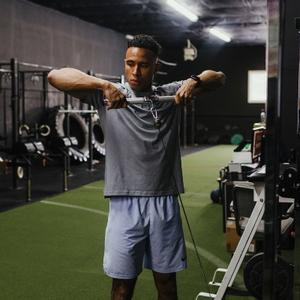
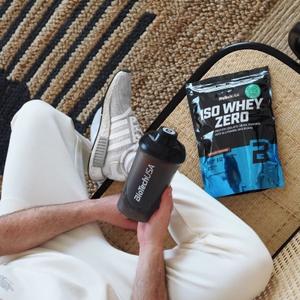
Strength, power, repetition: the demands of modern rugby
A match is played in two halves of forty minutes made up of short sprints, tackles, rucks and scrums, interspersed with brief recoveries. Preparation therefore focuses on three qualities: strength for winning collisions and holding in the scrum, power for acceleration and high jumps, and endurance intermittent to repeat these efforts until the final whistle. The forwards emphasise heavy lifting, while the backs focus on speed and explosiveness, but everyone works on core stability, the basis for force transmission.
Equipment categories
Physical maintenance is divided into:
All the equipment is gathered on the equipment page.
Rubber or cast iron weights, which one to choose?
The Body-Solid Olympic discs, ranging from two and a half to fifteen kilos, fit onto fifty-millimetre barbells; their coloured rubber absorbs impact on the floor and their four handles make handling easier for both solo disc exercises and other movements. The Tremblay rubber discs, weighing two and a half or three kilos, are designed for weightlifting bars for single-arm or single-leg exercises. The cast iron VirtuFit and Tanga Sports weights, more compact at equal weight, are suitable for a home gym where the bar is rested on supports.
Carbs and proteins around your session
Before or during a long effort, the bar Styrkr with apple, cinnamon and caramel provides thirty grams of rice-based carbohydrates in a vegan and gluten-free recipe that’s easy to digest. After the session, proteins help rebuild muscle: the organic cocoa protein from ATLET Nutrition and the Skinny Protein from QNT, with an iced coffee flavour, complement a balanced diet. For a licensed player subject to testing, it’s checked that the product meets the anti-doping standard AFNOR NF V94-001.
Good deals
Good bargains can be found in good deals, promotions, clearance, sales, and Black Friday. The new arrivals showcase the latest collections, and items shipped within 24h are prepared and sent out in 24 hours. The key events of the year follow a stable order: Black Friday at the end of autumn, the holiday season, the winter sales, the French Days in spring, then the summer sales and back to school.
Frequently asked questions
How to maintain physical fitness during the off-season?
By keeping two or three weekly sessions that combine strength training, cardio, and mobility to not lose what has been gained. A gradual return a few weeks before group training limits muscle injuries.
Can you train effectively at home?
Yes, with a barbell, a few weights, a bench, and a cardio machine, you cover the essentials: squat, deadlift, press, pull, and interval training. Short but regular sessions progress better than long and infrequent ones.
What weight of discs to start weight training?
It's better to start with light weights, from two and a half to five kilos, to learn the movements with a lightly loaded bar. You can increase the load in small increments as long as the technique remains solid on all repetitions.
How much protein per day for a rugby player?
Recommendations for strength athletes generally range from 1.2 to 2 grams per kilo of body weight per day, spread over several meals. The essentials should come from diet; supplements are just a backup.
How much rest between two intense sessions?
Generally, you should allow forty-eight hours between sessions that target the same muscle groups. Sleep and active recovery, like walking or light cycling, speed up the recovery process.






