
The polos from the brand Camberabero
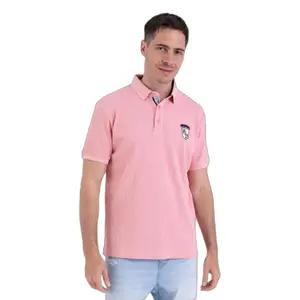
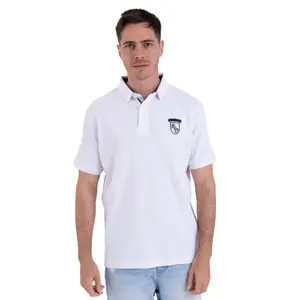
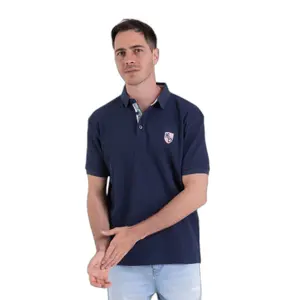
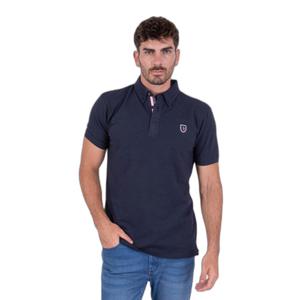
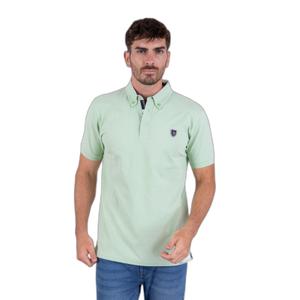
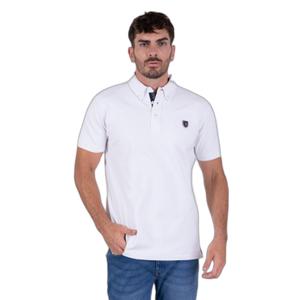
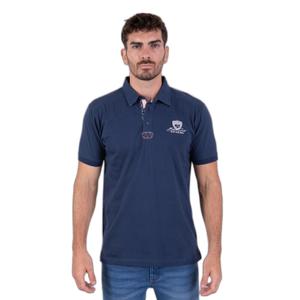
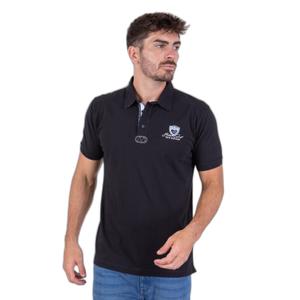
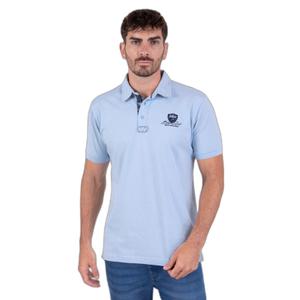
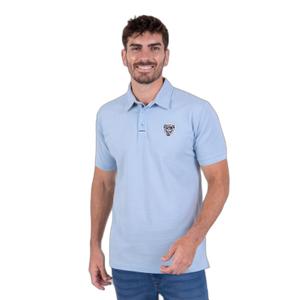
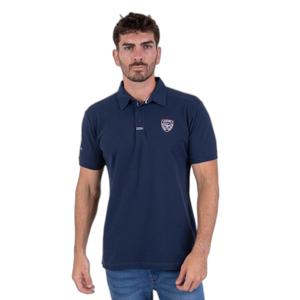
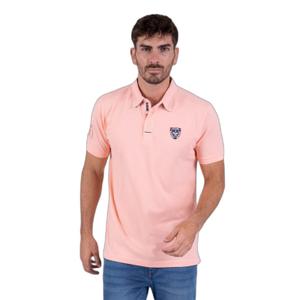
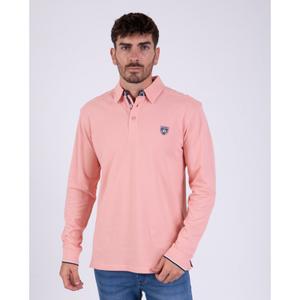
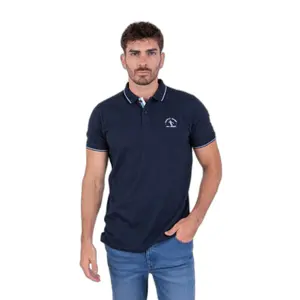
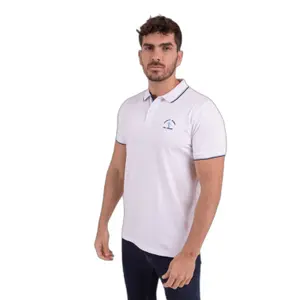
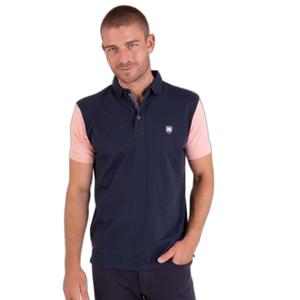
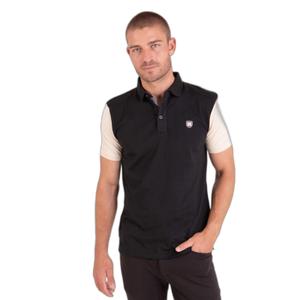
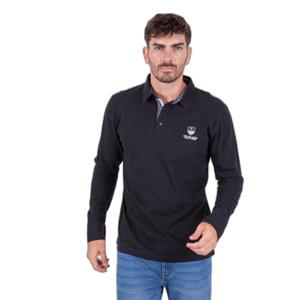
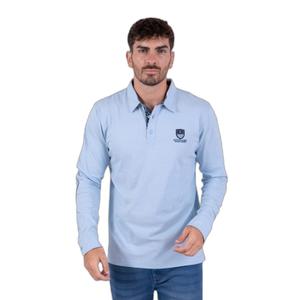
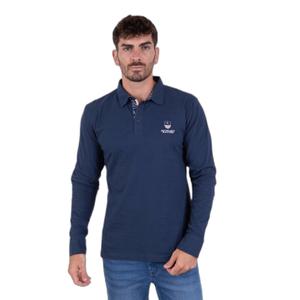
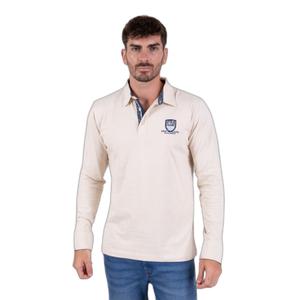
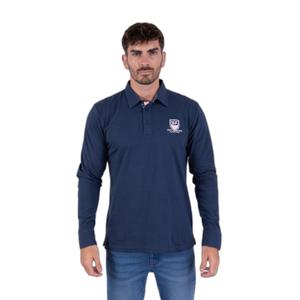

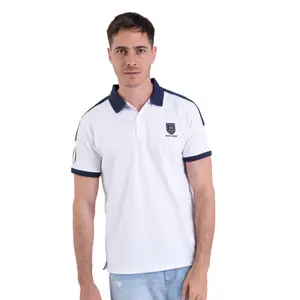
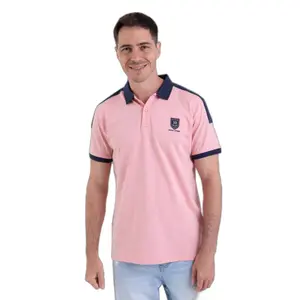
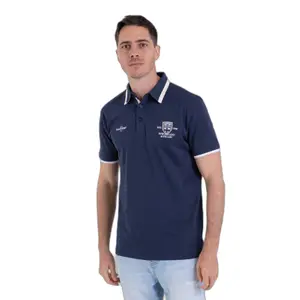
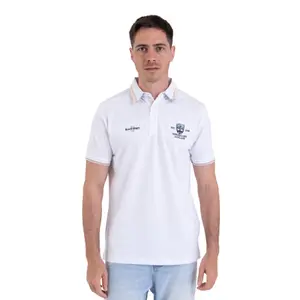
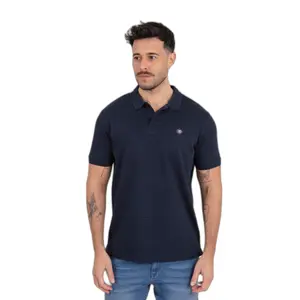
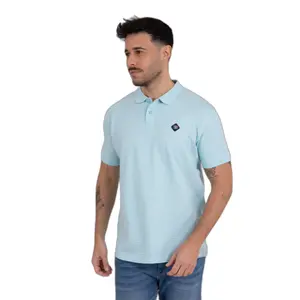
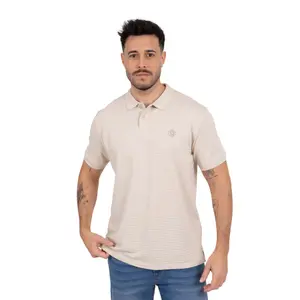
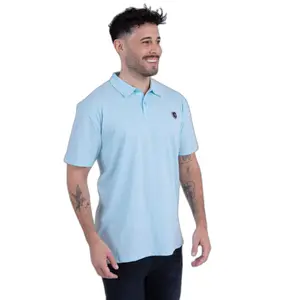
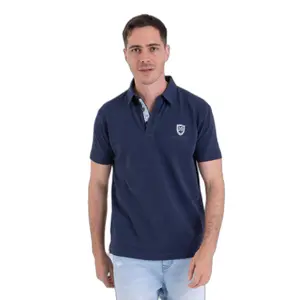
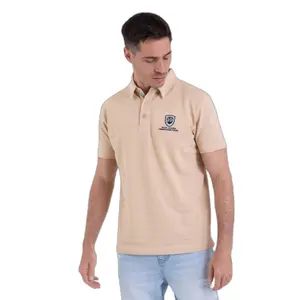
Our polo shirts Camberabero page showcases, when available, the polos from the brand named after a rugby family from La Voulte: cotton pique or jersey models, embroidery rich in history, short or long sleeves, featuring the journey of the brothers Guy and Lilian along with our size and care tips.
The Camberabero polos.
Guy, Lilian, Didier: a family behind the polo
The Camberabero name first belongs to a sibling team: Guy and Lilian, fly-half and scrum-half for La Voulte, French champions with their club in 1970 and players in the first Grand Slam of the French XV in 1968. Didier, Guy's son, then wore the blue jersey all the way to the final of the first World Cup in 1987. The brand, it was born in 1991 from an unexpected request: a work integration company wanted to embroider Guy's name on the polos coming out of its workshop and got permission for free. The success was such that the family took over the business, which it has managed since.
The other brands
The polos also come in different brands:
The full selection can be found on the polos page.
Embroidery and cotton piqué: the signature of Camberabero polos
The Camberabero polos are recognized by their high-density embroidery, placed on the chest, sleeve or back, which pays tribute to the first Grand Slam of the Blues, the nations of the Tournament or the spirit of the tours. The cotton piqué remains the basis of the range, with ribbed cuffs and a placket sometimes printed with patterns or contrasting colours. There are also jersey versions, which are softer, and long-sleeved polos for mid-season that complete the classic short-sleeved options, from sober navy blue to bolder shades.
Cut, size and care of a cotton piqué polo
A cotton polo is chosen in your usual size, keeping in mind that a natural fibre may shrink slightly after the first washes: between two sizes, the larger one offers a bit of leeway. Check the shoulder width rather than just the chest, as the seam should fall at the shoulder joint. To preserve the dense embroidery, turn the polo inside out before washing at 30 degrees and avoid the tumble dryer, which shrinks cotton and distorts the embroidered relief. Ironing should be done on the reverse side at medium temperature, avoiding the motifs, and the ribbed collar should be reshaped by hand while still damp.
Good deals
Good bargains can be found in promotions, clearance, sales, and Black Friday. The new arrivals showcase the latest collections. The items shipped in 24h are prepared and sent out within 24 hours. The highlights of the year follow a stable order: Black Friday at the end of autumn, the year-end holidays, the winter sales, the French Days in spring, then the summer sales and back-to-school.
Frequently asked questions
Did Didier Camberabero play for France?
Yes, Guy's son was fly-half and kicker for the French XV at the end of the 1980s. During the 1987 World Cup, he scored thirty points against Zimbabwe before playing in the final against the All Blacks.
Is a Camberabero polo a good gift idea?
For a rugby fan, yes: the brand carries the name of a family that has written a chapter of the French XV, and its embroidery evokes the Tournament or the tours. Choosing a sober colour reduces the risk of getting the taste wrong.
Piqué or jersey: which fabric for a Camberabero polo?
The piqué, with its textured waffle pattern, breathes well and keeps a crisp collar: it's the choice for warm days. The jersey, smoother and more fluid, offers a relaxed fit similar to a t-shirt and a softer touch.
When to wear a long-sleeved Camberabero polo?
From late September to the first days of spring, when a short-sleeved model is no longer enough. Alone on a mild day or as an intermediate layer in cooler weather, it retains the look of a polo while covering the arms.
Is the Camberabero brand French?
Yes, it was founded in France in 1991 and is still managed by the Camberabero family, who took over the original licence. Its identity draws from the history of French rugby and its great moments.






