
Medicine Balls for power and core strength
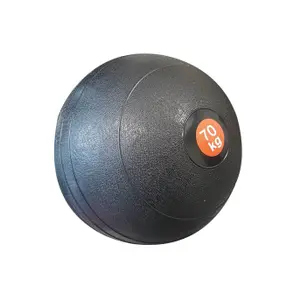
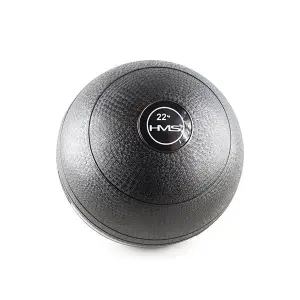
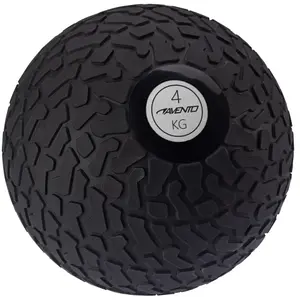
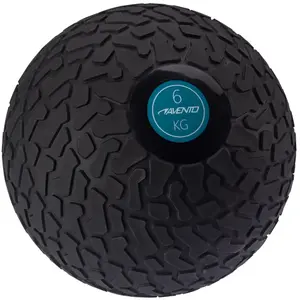
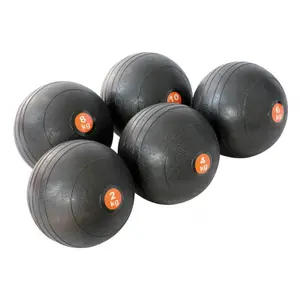
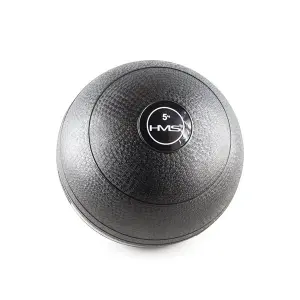
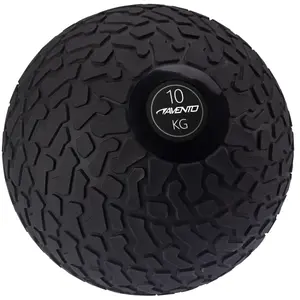
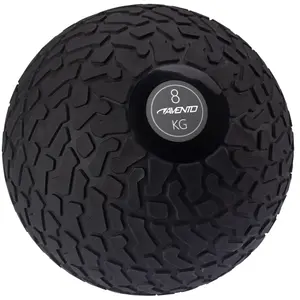
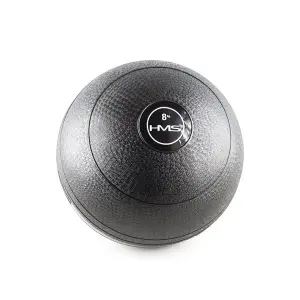
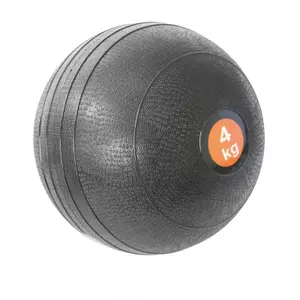
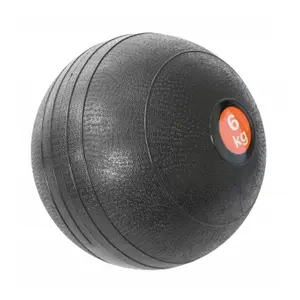
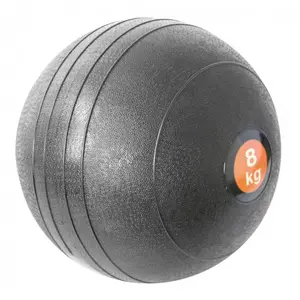
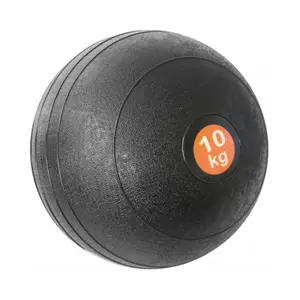
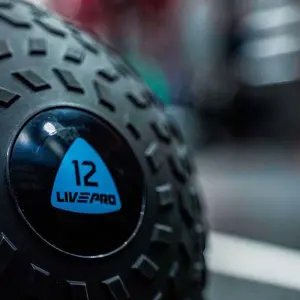
Our selection of medicine balls includes the Tremblay weighted balls, soft ones weighing from one to four kilos or with handles of eight kilos, and the Wall Ball Sporti at eight kilos. It is aimed at players, fitness trainers, and coaches who want to work on throws, upper body strength, and trunk rotation, from the changing room to the edge of the pitch.
Throw, push, strengthen.
A preparation tool over a century old
The medicine ball gets its name in English, which appeared in the United States at the end of the nineteenth century, from the idea that it promotes health: the word medicine then referred to overall bodily well-being. Even in ancient times, animal bladders filled with sand were thrown. The principle remains: a weighted ball that can be thrown, caught, and released, unlike a dumbbell. This is what makes it so useful in rugby: one exerts maximum effort until the end of the movement, without slowing down the load. The throws develop power in the upper body and trunk rotation, qualities linked to long passing and fending off.
The other equipment
Strength training also includes:
- Weight benches.
- Dumbbells.
- Strength machines.
- Cages and racks.
- Bars and weights.
- Kettlebells.
- Strength training accessories.
All strength training can be found on the strength training page.
Soft, with handles, or Wall Ball: three uses
The soft medicine balls Tremblay, a brand that has been equipping clubs and schools since 1971, weigh from one to four kilograms: they absorb rebounds against a wall and can be caught without injuring fingers, ideal for partner passes and for young ones. The one-kilogram model, about seventeen centimeters in diameter, is suitable for the youngest. The handle model weighs eight kilograms and is held like a dumbbell for rotations, lunges with a twist, and planking. The Wall Ball Sporti weighing eight kilograms, large and padded, is used for the movement that bears its name: a complete squat followed by a throw at a target placed high, done in sequence without pause.
Exercises based on rugby movements
Several exercises directly mimic match actions. The lateral pass against a wall, feet parallel, replicates the torso rotation of the twisted pass. The chest throw, explosive, strengthens the push useful for fending off and clearing. The slam, with the ball raised above the head and then thrown to the ground, engages the entire abdominal chain, with a ball that does not bounce. For power, a light weight of two to four kilograms is chosen, allowing for a quick movement; heavier balls are used for planking and carries. Sets remain short, six to eight throws, to maintain maximum speed.
Good deals
Good deals can be found in good plans, promotions, clearance, sales, and Black Friday. The new arrivals showcase the latest collections, and the items shipped in 24 hours are prepared and sent out within 24 hours. The highlights of the year follow a stable order: the Black Friday at the end of autumn, the end-of-year holidays, the winter sales, the French Days in spring, followed by the summer sales and back-to-school season.
Frequently asked questions
What weight of medicine ball should I choose to start?
Two to three kilograms for throws and rotations, to maintain a quick movement, and four to six kilograms for planking exercises. Young players start with a one-kilogram ball, easier to catch.
Can you throw a medicine ball against a wall?
Yes, with a soft model or a Wall Ball, designed to absorb shocks. Hard rubber balls bounce violently and are reserved for throwing to the ground or between partners, on a clear surface.
Medicine ball or kettlebell for power?
The medicine ball is released at the end of the movement, allowing for maximum acceleration until the end of the action. The kettlebell, which is held in hand, is better suited for swing and strength exercises; both complement each other.
What’s the difference between medicine ball, wall ball, and slam ball?
The classic medicine ball is compact and bounces more or less depending on its material. The wall ball, larger and softer, is made to be thrown against a wall. The slam ball, filled with sand, does not bounce and is thrown to the ground.
How to maintain a medicine ball?
A damp cloth is enough after the session, without any aggressive products. It should be stored out of direct sunlight and heat, which can harden the surface, and avoid throwing it on concrete, which quickly wears down the surface.






