
Bodybuilding for Rugby Player Preparation


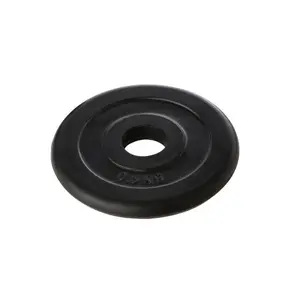
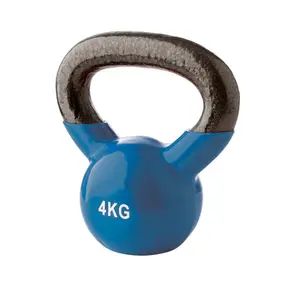
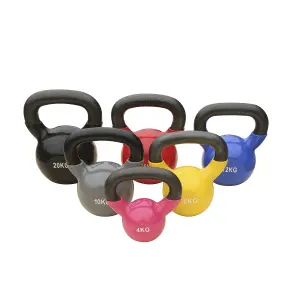
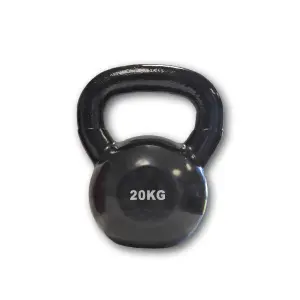
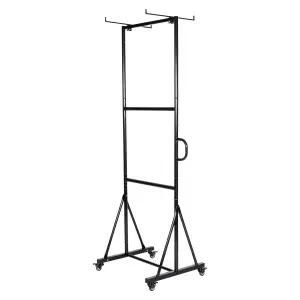

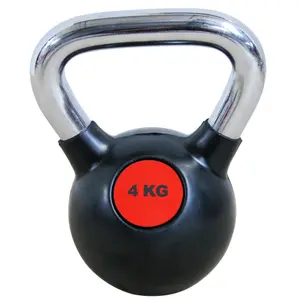

Our fitness universe brings together the physical preparation equipment for rugby players: VirtuFit Power racks and benches for heavy lifting, bars and weights, dumbbells, competition kettlebells, Tremblay medicine balls, pull-up bars and Harbinger fitness gloves. Perfect for equipping a home gym or a club, from the first squat to power training.
The strength that wins duels.
Strength, power, prevention: what weight training brings to rugby
The weight training of a rugby player has three goals. Maximal strength, developed through squats, deadlifts, and bench presses with heavy loads, is used in duels, scrums, and mauls. Power, which is the force produced quickly, is trained with lighter loads moved at maximum speed: shoulder presses, kettlebell swings, and medicine ball throws. Finally, strengthening the shoulders, neck, and hamstrings plays a role in injury prevention in a sport with repeated contact. A balanced program mixes these three dimensions according to the position and the time of year.
Types of equipment
Weight training includes:
- Weight benches.
- Dumbbells.
- Weight training machines.
- Cages and racks.
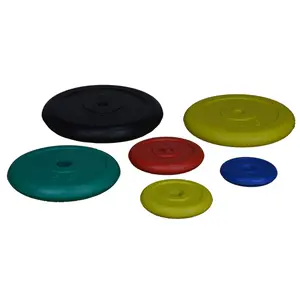
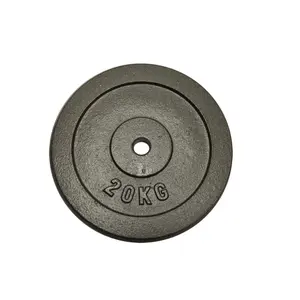
- Bars and weights.
- Kettlebells.
- Medicine Balls.
- Weight training accessories.
Also find cardio and nutrition.
Creating a home gym, from racks to kettlebells
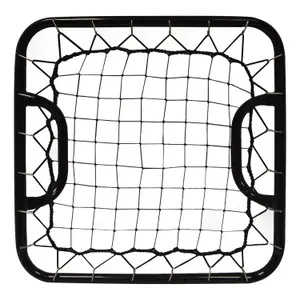
To equip yourself at home, the rack forms the backbone of the gym: the VirtuFit Power, with its adjustable safety features, allows you to squat and lift heavy without a partner. An adjustable bench, like those from Christopeit or VirtuFit, opens up incline work. Bars and weights cover the major movements, while dumbbells and Fit & Rack kettlebells provide unilateral and ballistic work. The Tremblay medicine balls and the Wall Ball Sporti complete the setup for throwing. With these few items, you cover almost the entire range of a physical preparation program.
Scheduling weight training between off-season and match periods
The programming follows the sports calendar. During the off-season, you build: three to four sessions per week, a high volume, and progressive loads to gain strength and, if necessary, muscle mass. During the competition period, the goal becomes maintenance: one to two short sessions, placed far from the match, with heavy loads but few repetitions to retain strength without accumulating soreness. Young players start with technical mastery using body weight or a light bar, supervised by a coach, before adding any significant load.
Good deals
Good deals can be found in good plans, promotions, clearance sales, sales, and Black Friday. The new arrivals feature the latest collections, and items shipped in 24h are prepared and dispatched within 24 hours. The highlights of the year follow a steady order: the Black Friday at the end of autumn, the year-end holidays, the winter sales, the French Days in spring, then the summer sales and back-to-school period.
Frequently Asked Questions
Can you build muscle for rugby without equipment?
Yes, to start: push-ups, lunges, jump squats, pull-ups, and planks cover the essentials. However, body weight becomes insufficient quickly to develop the maximal strength of a forward, and additional load then takes over.
How does a typical session go?
After a joint warm-up, you start with a power exercise in first, when the nervous system is fresh, then one or two heavy strength movements. The session ends with shoulder, neck, and hamstring strengthening, along with core work.
Does weight training make you slower?
No, if the program includes power and speed work. Stronger legs produce more force on the ground, which improves acceleration; it's excess volume without explosive work that can weigh a player down.
Do female rugby players follow a different program?
The principles remain the same: strength, power, and prevention. There is often more emphasis on strengthening the hamstrings and controlling the knee on landing, as ACL tears are more common among female athletes.
Is it necessary to wear gloves when lifting?
They're not essential, but they prevent blisters and calluses during pull-ups and long sets on the bar. Some players prefer chalk, which keeps the hand in direct contact with the metal.






