
Foam ball for rugby beginners
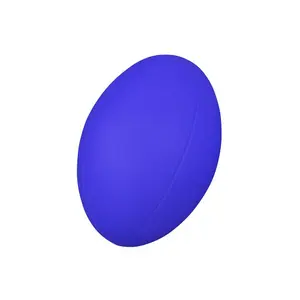
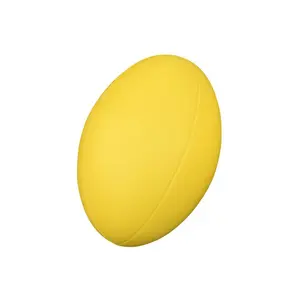
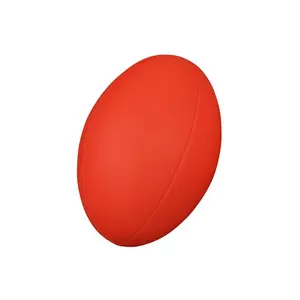
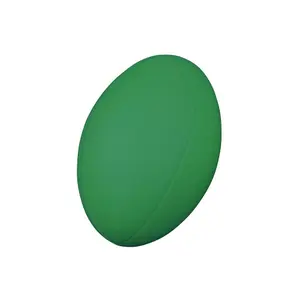
Our foam ball page brings together our tips for introducing children to rugby with a soft ball, from baby rugby from three years old to school workshops and indoor games. It helps parents, teachers, and educators to choose the right size, the right foam density, and the right time to move on to an inflatable oval, without rushing the learning process.
Learning rugby, without fear of the ball.
Why foam balls reassure young players
The foam ball removes the fear of receiving, the first barrier for kids when facing a rugby ball. Lighter than an inflated ball, it doesn’t hurt fingers or faces when a pass comes badly, so the child keeps their eyes open and hands out instead of shielding themselves. This reflex learned early on conditions the rest: watching the ball into their hands, catching with both hands in front of their chest, then passing. The coaches of baby rugby, which welcomes children from the age of three, rely on foam for motor skills games where they run, throw, and catch without tackling.
The other balls
Rugby balls also come in other varieties:
All the balls are gathered on the balls page.
Raw foam or skin foam: what's the difference?
Two families share the initiation. The raw foam, very lightweight, compresses easily and suits toddlers and indoor play, but it crumbles on contact with tarmac or a rough surface. The skin foam, often called elephant skin, is covered with a smooth, durable layer: it absorbs kicks, falls on the playground's tarmac, and withstands washing, keeping its shape for years. For school or club use, this second option remains the most durable. Density also matters: foam that's too soft deforms in the hands and bounces badly.
When to switch to an inflated ball
You move to a inflated ball when the child can catch without turning their head and follows the reception with a pass in the same movement, usually around the ages of five or six, upon entering rugby school. You then choose a size three, suitable for the hands of those under ten, inflated just below its maximum pressure to remain flexible for the first few weeks. Foam doesn't disappear at this point: it remains valuable for warm-ups, close-pass drills, and rainy days when working in a gym, posing no risk to walls or windows.
Good deals
Good deals can be found in good plans, promotions, clearance, sales, Black Friday. The new arrivals showcase the latest collections, and items shipped in 24 hours are prepared and dispatched within 24 hours. The highlight moments of the year follow a steady pattern: Black Friday in late autumn, the end-of-year holidays, the winter sales, the French Days in spring, then the summer sales and back-to-school.
Frequently asked questions
Can a foam ball also be used for hand rehabilitation?
Yes, a small soft ball that you squeeze strengthens grip after a finger or wrist sprain, a common injury in rugby. For a specific program, it's best to follow a physiotherapist's guidelines, who can adjust the firmness of the foam and the number of repetitions.
How do you clean a foam ball?
Raw foam should be cleaned with a damp sponge and a little mild soap, without soaking, as it absorbs water. Skin foam can handle a quick rinse easily. In both cases, let it air dry, away from any heat source that might warp it.
Are there size two or three foam ovals?
Yes, foam ovals often come in these sizes: size two for the hands of three to five-year-olds, size three for children in rugby school who are learning to pass. Their shape mimics that of a real ball, which helps with handling.
Can a foam ball be played with the feet?
Yes, for little kicks along the ground or initiation high balls. Skin foam withstands repeated strikes better, while raw foam marks quickly when in contact with studs: trainers are better for such games.
Do you need to inflate a foam ball?
No, foam keeps its shape without air, which avoids punctures and pumps. This is an advantage in class or on outings: the ball is ready immediately and maintains its shape over the sessions, unlike a ball that slowly deflates.






