
Rugby balls for training
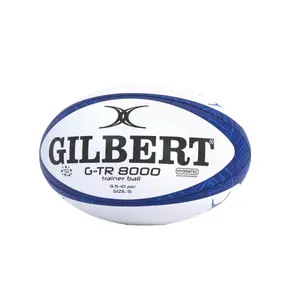
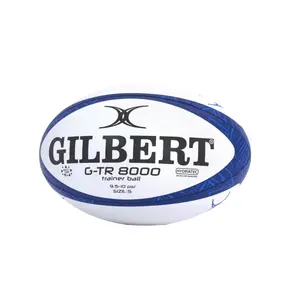
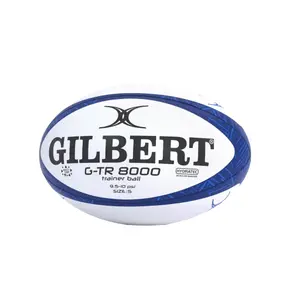
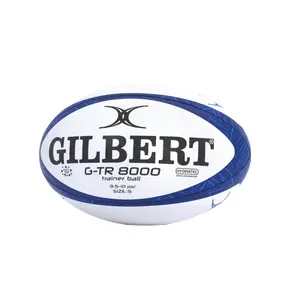
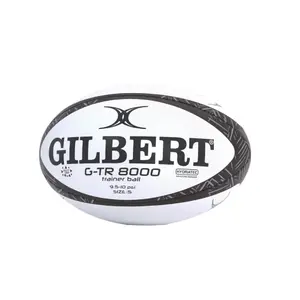
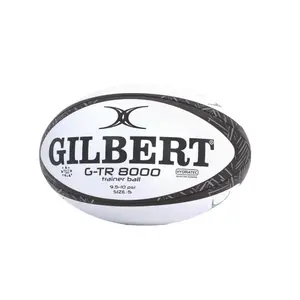
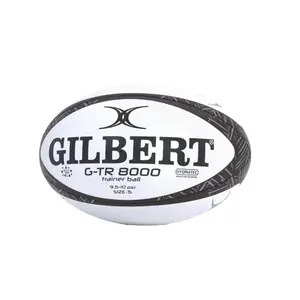
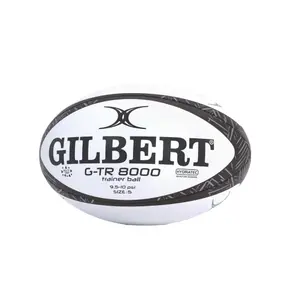
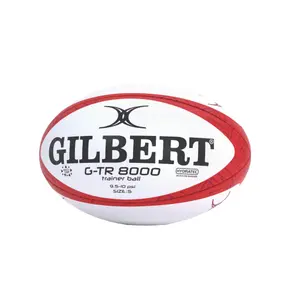
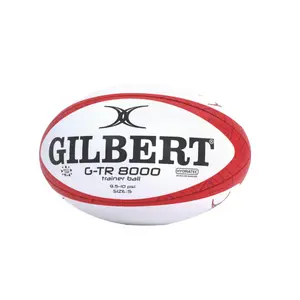
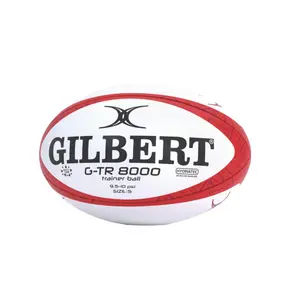
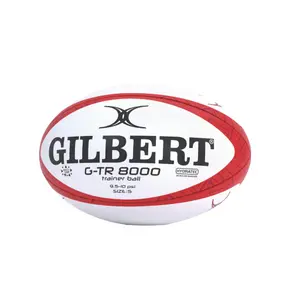
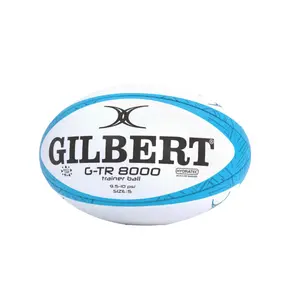
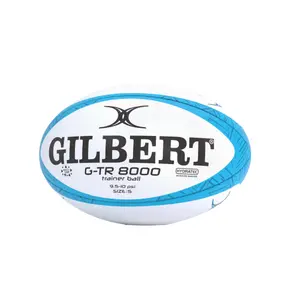
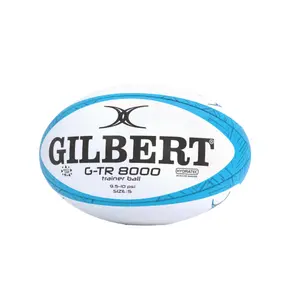
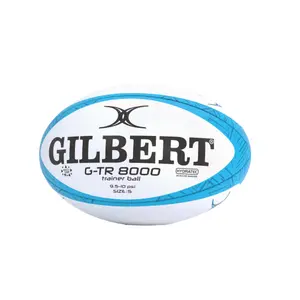
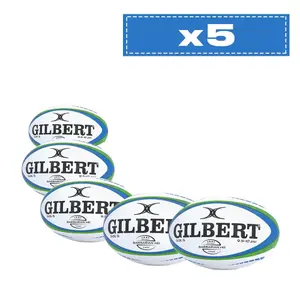
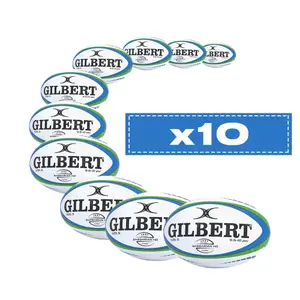
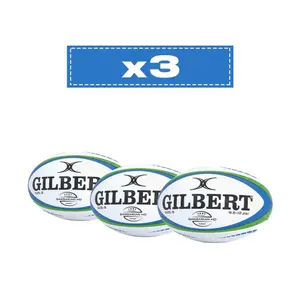
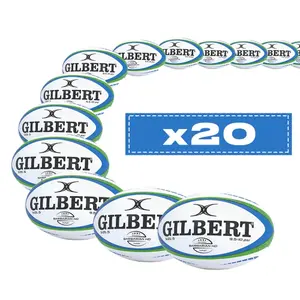
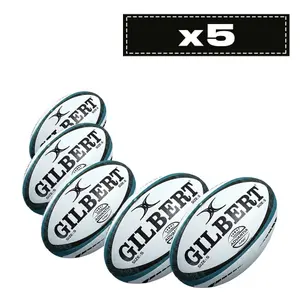
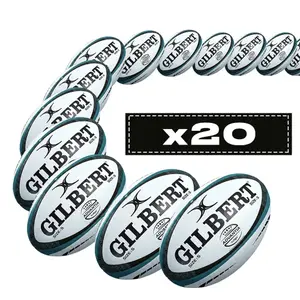
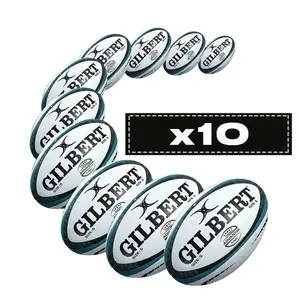
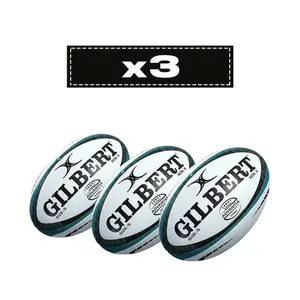
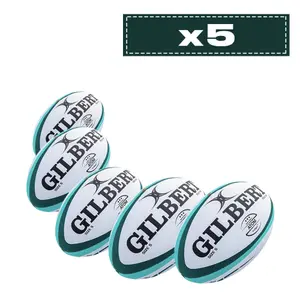
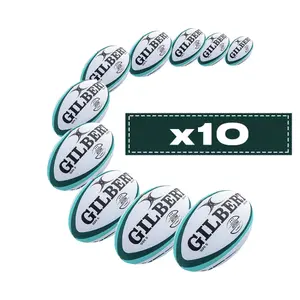
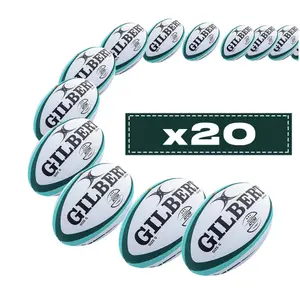
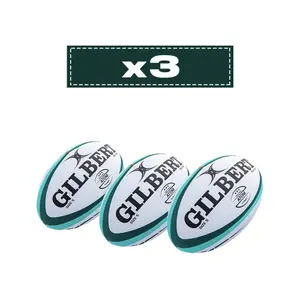
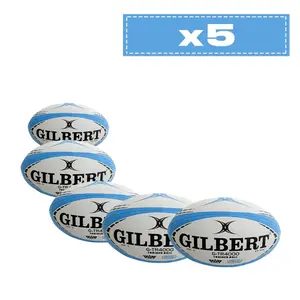
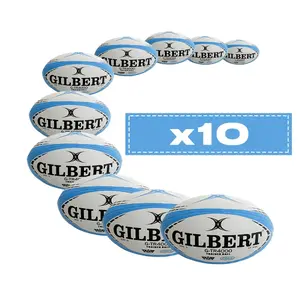
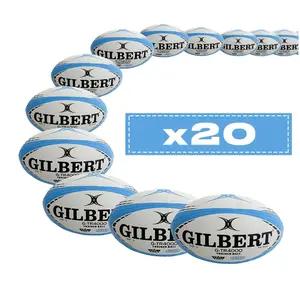
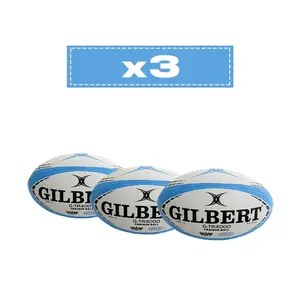
Our selection of lots of rugby balls is aimed at clubs, rugby schools, and teachers who need to equip a group in one go: a pack of five or ten training balls Gilbert, including a pack of ten in size four for juniors, and a pack of twenty balls Sporti for larger groups. Identical balls with the same feel for uniform training sessions.
Equip an entire team in one go.
Why equip a group with identical balls
An effective session relies on simultaneous workshops: triangle passing, kicking practice, and overload situations. With one ball for every two or three players, no one waits for their turn and the number of touches rises. Balls from the same batch share weight, shape, and grip, so a child gets the same feeling from one workshop to another; this is crucial for cementing the pass technique. Bulk buying also reduces the cost per ball, a strong argument for club budgets.
The other balls
Rugby balls also come in different types:
All balls are listed on the balls page.
The Gilbert Trainer, sturdy and grippy
The Gilbert Trainer from the ten-pack, in size four, is made of three plies of bonded and hand-stitched polycotton: it maintains its shape better than a two-ply ball and travels further when kicked or passed. Its durable rubber cover features a patented triangular grip pattern that provides a large contact area for hands, and waterproof laminations limit water absorption. The five-pack of Gilbert training balls suits small groups, while the twenty-pack Sporti outfits an entire category at a lower cost.
What size and how many balls to order
The choice of size depends on the category: size three up to around ten years, size four for eleven to fourteen years, size five for cadets, juniors, and seniors. For a group of twenty-five players, eight to ten balls allow for three or four workshops; a twenty-pack covers two categories or a large catch-up session. It's best to order the entire series at once: balls bought together age at the same pace and maintain a consistent feel until they are replaced.
Bargains
Great deals can be found in the bargains, promotions, clearance sales, sales, and the Black Friday. The new arrivals showcase the latest collections, and 24-hour dispatch items are prepared and sent within 24 hours. The key times of year follow a stable order: Black Friday at the end of autumn, the year-end holidays, the winter sales, the French Days of spring, then the summer sales and back-to-school season.
Frequently asked questions
Do you need match balls for training?
No, training balls are sufficient for the vast majority of exercises. Their thicker cover withstands synthetic pitches and repeated sessions, whereas match balls, being more delicate, are reserved for weekend games.
Is a pack of size five balls suitable for adult beginners?
Yes, size five is for all players from about age fifteen, including beginners. For recreational rugby or touch rugby, a sturdy training ball is even preferable to a competition model.
How to identify a club's balls at a tournament?
You can write the name of the club or category with a permanent marker on a panel, or number each ball. A quick count at the end of the session helps to minimize losses.
What pressure should a pack of balls be inflated to?
To the pressure indicated near the valve, checking each ball so that the whole set has the same bounce and feel. A lubricated needle helps preserve the valve during repeated inflations.
How to make training balls last longer?
Rinse them after muddy sessions, let them dry in the open air, and avoid leaving them in a bag or trunk in the sun. Slightly deflate them during holidays to relieve the seams.






