
Training Tracksuits Canterbury
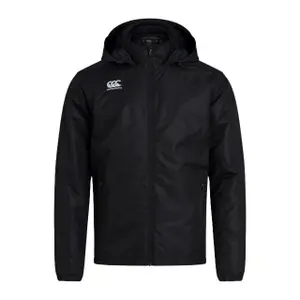
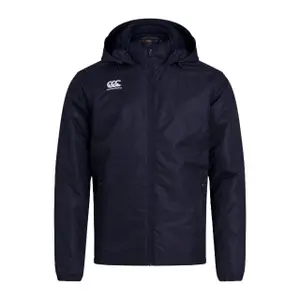
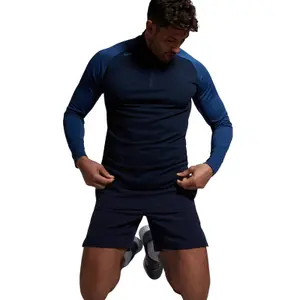
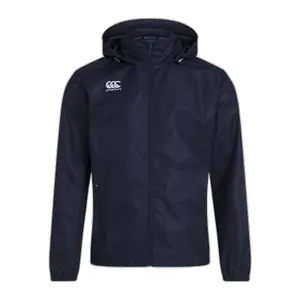
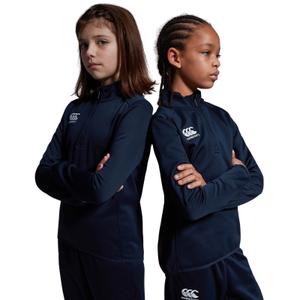
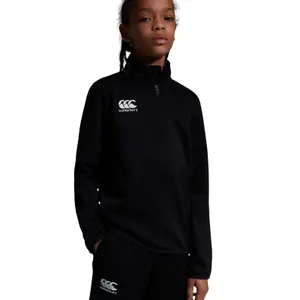
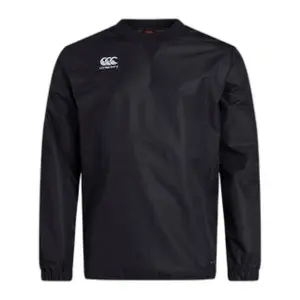
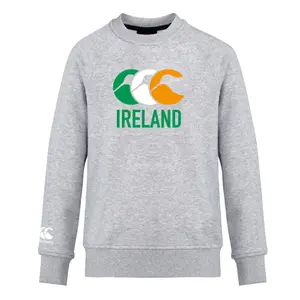
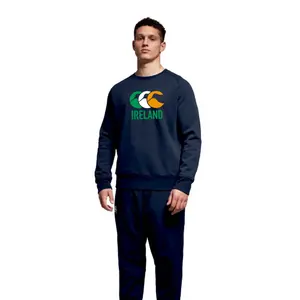

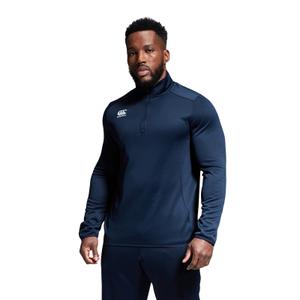
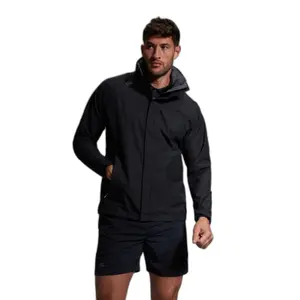
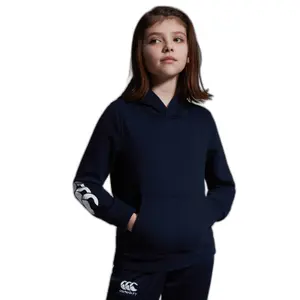
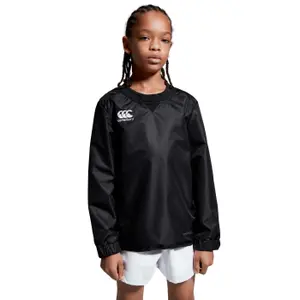
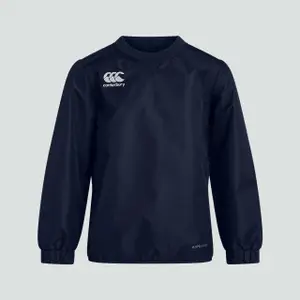
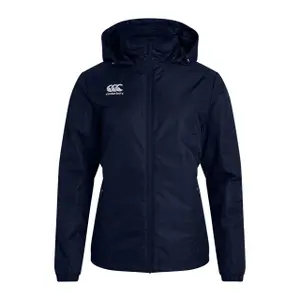
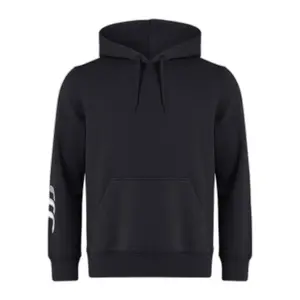
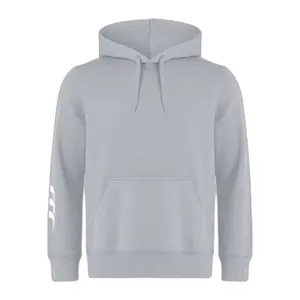

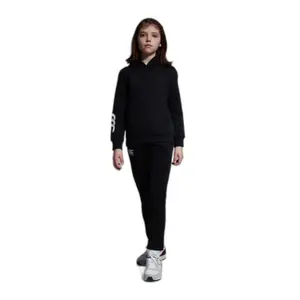

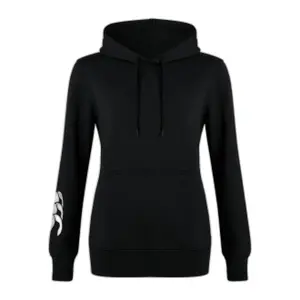
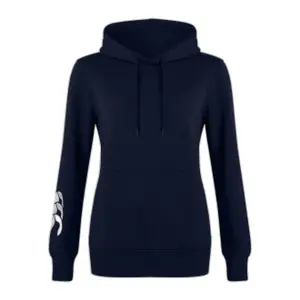
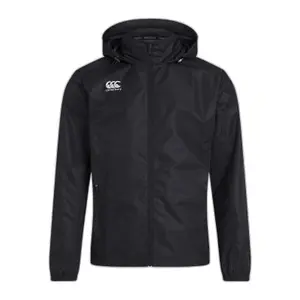
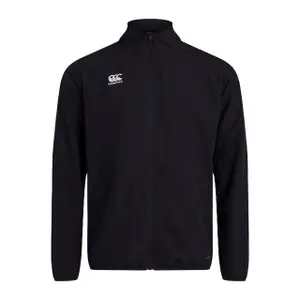
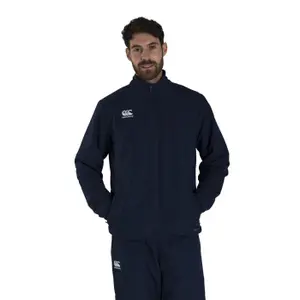
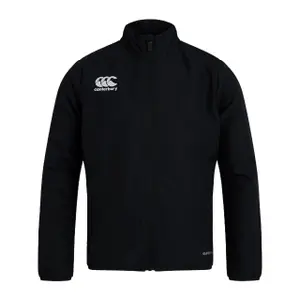
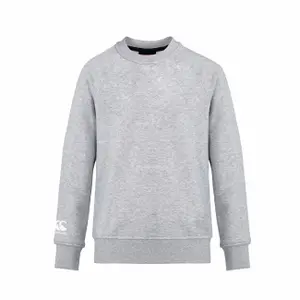
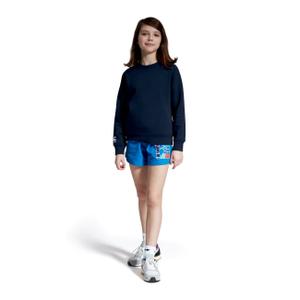

Our page dedicated to training tracksuits Canterbury showcases, when the brand offers them, the warm-up kits from this New Zealand rugby specialist. It tells the story of how a wool garment factory became the supplier for major nations and provides our tips for choosing the materials, fit, and size of a Canterbury tracksuit.
The training tracksuits by Canterbury.
From World War uniforms to selection kits
The reputation of Canterbury is built on durability. Founded in 1904 in the New Zealand province of the same name by three English immigrants, the brand produced uniforms for the New Zealand and Australian armies during the First World War, an experience that convinced the All Blacks to trust them with their kits. Now part of the British group Pentland, which acquired its European operations in 2012, it currently outfits Ireland, Japan, and the British and Irish Lions. Its training tracksuits inherit this manufacturer's seriousness, with fabrics designed for rain and exertion.
Other brands
Training tracksuits are also available from:
All training tracksuits are gathered on the training tracksuits page.
Vapodri or Vaposhield: which tracksuit for the weather
The first criterion is the weather during training sessions. A tracksuit made with Vapodri is suitable for active warm-ups: the fabric moves sweat to its outer surface to allow it to evaporate, so the player doesn't end up soaked when taking off the jacket. The Vaposhield range is designed for rainy and windy evenings: its treated fabric beads water and cuts through gusts, making it perfect for sidelines and winter training. A club training on an exposed pitch would do well to have both, a Vapodri jacket for movement and a Vaposhield piece for waiting.
Getting the Canterbury jacket and trousers to fit well
Canterbury designs its clothing for rugby player builds: the jackets allow space for the shoulders and chest, while the fitted models stay close to the body. So you measure your chest size rather than relying on your usual size from a casual brand, and check the sleeve length, which should cover the wrist when the arm is extended. For the trousers, a tapered cut prevents the fabric from flapping and getting caught in the studs during warm-ups. The care instructions protect the treatments: wash at thirty degrees, no fabric softener or tumble drying, and air dry.
Deals
Great deals can be found in the deals, promotions, clearance, sales, and Black Friday. The new arrivals showcase the latest collections, and items shipped within 24h are prepared and dispatched within 24 hours. The highlights of the year follow a stable order: Black Friday at the end of autumn, the holiday season, the winter sales, the French Days in spring, then the summer sales and back-to-school.
Frequently asked questions
Is Canterbury a brand specialised in rugby?
Yes, since its New Zealand beginnings, most of its catalogue has focused on this sport: jerseys, shorts, protective gear, and training kits. This specialisation explains its presence in many amateur clubs as well as with the national teams.
Does Canterbury still outfit the All Blacks?
No, not since 1999: the brand provided the kits for the All Blacks for much of the twentieth century before they changed suppliers. It retains its name from that era, the name of the province where it was born.
Is a Canterbury tracksuit suitable for an amateur club?
Yes, its team ranges come in various colours and junior sizes, allowing all ages of a single club to be outfitted. You just need to ensure that the selected model will be available for several years to accommodate the squad.
How can you tell if a Vaposhield fabric is still effective?
When water no longer beads and seeps into the fabric, the water-repellent treatment has worn off. A gentle wash followed by a rewaterproofing spray will restore some of its effectiveness for damp sessions.
Can a Canterbury tracksuit be worn outside of rugby?
Yes, its simple cuts and often solid colours transition easily from changing rooms to the stands. For everyday use, you can take your usual size without needing to account for space for a jersey under the jacket.






