Gloves for training in cold weather


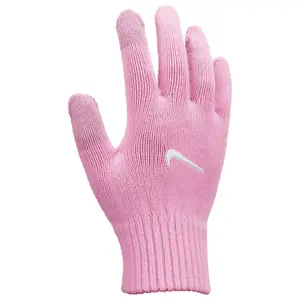
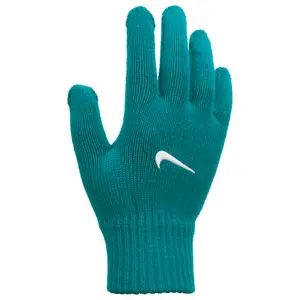
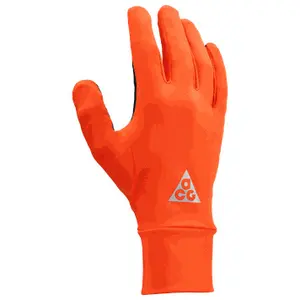


This selection of gloves keeps hands warm during winter training without losing contact with the ball. It includes the Gilbert Thermo Training with silicone palm, the Nike Therma-Fit and Tech and Grip for adults, women, and children, the Macron Rivet and Iceberg packs for equipping a group, and the Craft All Weather for sessions in the rain.
Hands warm, ball well in hand.
Gloves or mittens: what the rules allow in matches
In matches, full-finger gloves are banned by World Rugby, regardless of the weather. Law 4 only permits mittens that comply with Regulation 12: they leave the fingertips exposed, do not extend beyond the wrist, and their gripping material, made of soft rubber or synthetic, does not exceed one millimetre in thickness. No buttons or rigid elements are allowed. Full gloves are therefore reserved for training, warming up, and on the sidelines, where the cold numbs fingers, makes passes inaccurate, and causes easy drops at the end of a session.
Other accessories
Accessories also come in various forms:
All accessories can be found on the accessories page.
Silicone palm: maintaining grip on a wet ball
What sets a rugby glove apart from a regular winter glove is the gripping palm. The Gilbert Thermo Training gloves combine lightweight polyester, which allows you to feel the ball, with a polar lining for warmth and a silicone print on the palm for ball control in both dry and rainy conditions; they are available in sizes from children to XL. The Nike Tech and Grip gloves, made from knitted mesh, follow the same principle with a textured silicone palm and fingers that are compatible with touch screens, available in adult and child sizes. Finally, the Craft All Weather gloves are aimed at drenched sessions where water runs off your hands.
Polar gloves for coaches, staff, and supporters
On the sidelines, the priority is no longer gripping the ball but staying warm, as you remain still while players run around. The polar gloves Nike Therma-Fit retain body heat and come in men's, women's, and children's sizes, so the whole family can be outfitted in the stands, while the Club Fleece offers a simple polar fleece for the journey and waiting time. For clubs, the Macron Rivet and Iceberg packs, sold in sets of six pairs, equip a group of players or staff for evening sessions all at once. Thin gloves under polar gloves create an effective duo for coaches handling cones and balls: they can remove the polar layer for a drill while keeping their fingers nimble to hold the whistle or tactical board.
Good deals
Great offers can be found in the good deals, promotions, clearance, sales, Black Friday. The new arrivals showcase the latest collections, and items shipped within 24 hours are prepared and dispatched quickly. The year's highlights follow a steady order: the Black Friday at the end of autumn, the holiday season, the winter sales, the French Days in spring, followed by the summer sales and back-to-school period.
Frequently asked questions
What size gloves should I choose for a child?
Measure the circumference of the hand at the knuckles, excluding the thumb, and refer to the brand's guide. The glove should reach the tips of the fingers without being loose: if it's too big, it loses the feel of the ball.
Do gloves interfere with passing and catching?
A thin glove with a gripping palm interferes little, and it's better than having a hand numbed by the cold. It takes one or two sessions to get used to them, then the grip becomes natural, even on a wet ball.
How do you care for gloves with grips or a gripping palm?
Wash by hand with warm water and mild soap, then lay flat to dry away from a radiator. Heat hardens the silicone and causes it to crack, and fabric softeners leave a film that reduces grip.
Do you need different gloves for rain and dry cold?
In dry cold, a polar or knitted glove is sufficient. In the rain, it's better to choose a model that maintains its grip when wet and dries quickly, as a polar glove soaked with water cools the hands rather than protects them.
Can you wear gloves throughout the entire training session?
Yes, unless the coach plans to do mitten work to prepare for the match. Many players keep them on during warm-ups and technical drills, then remove them for the scrimmage.